HeadPowder, a leading manufacturer based in Shandong, China, specializes in the design and implementation of advanced air-pneumatic conveying systems tailored for the efficient handling of oat flour. This article delves into the operational process and underlying principles of such systems, providing a comprehensive overview for industry professionals seeking to understand or implement similar solutions.
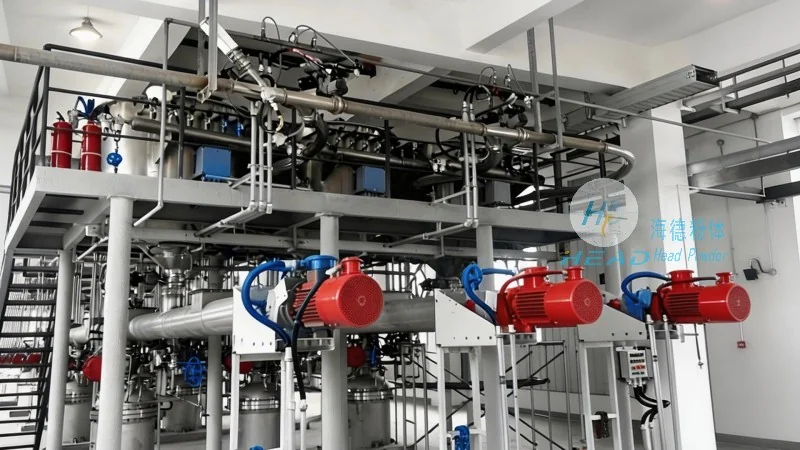
The air-pneumatic conveying line for oat flour, as offered by Shandong HeadPowder Engineering Co., Ltd., is engineered to ensure seamless material transport from storage silos to processing units. The system leverages compressed air to create a pressure differential that propels the oat flour through a network of pipes, eliminating the need for mechanical components like belts or buckets that are common in traditional conveying methods. This approach not only enhances operational efficiency but also minimizes product contamination and degradation, making it ideal for sensitive food ingredients like oat flour.
At the core of the system is the air compressor, which generates the necessary pressure to initiate the conveying process. The compressed air is then directed into the conveying line, where it interacts with the oat flour to form a dense, stable mixture known as a "pneumatic slug." This slug travels through the pipeline, propelled by the pressure gradient, until it reaches the destination point, such as a mixer or packaging machine. The system is equipped with control valves and sensors that monitor pressure, flow rate, and material level, ensuring precise and reliable operation.
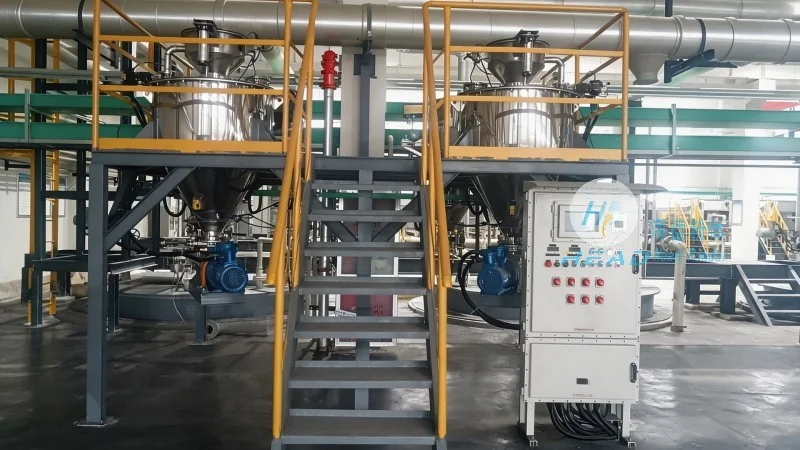
The operation process begins with the loading of oat flour into the storage silo. The silo is connected to the conveying line via a hopper and a rotary valve, which regulates the flow of material into the pipeline. As the compressed air is introduced, the oat flour is drawn into the line and begins its journey. The conveying speed and distance are determined by factors such as the air pressure, pipe diameter, and the moisture content of the oat flour. The system is designed to handle varying loads, with adjustable parameters that allow for optimization based on specific production requirements.
The working principle of the air-pneumatic conveying system revolves around the fundamental concept of fluidization and pneumatic transport. When compressed air is introduced into the conveying line, it creates a low-pressure environment that reduces the friction between the oat flour particles and the pipe walls. This reduction in friction allows the material to flow smoothly, similar to a fluid. The system utilizes positive pressure or negative pressure (or a combination of both) to move the material, depending on the application and the distance to be covered. Positive pressure systems are typically used for short to medium distances, while negative pressure systems are more suitable for longer runs or when the material needs to be transported from a higher to a lower elevation.
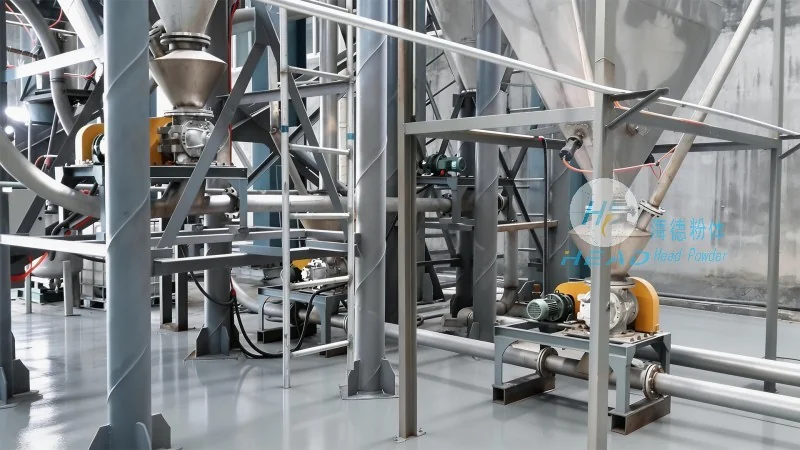
Key components of the system include the air compressor, conveying pipes, control valves, and material handling equipment. The air compressor is responsible for generating the required pressure, which can range from 0.5 to 1.5 bar depending on the system's capacity. The conveying pipes are made of materials such as stainless steel or polyethylene, chosen for their resistance to corrosion and durability in handling food-grade materials. Control valves, such as butterfly or ball valves, are used to regulate the flow of air and material, ensuring that the system operates within safe and efficient parameters. Sensors, including pressure transducers and flow meters, provide real-time data to the control system, enabling automatic adjustments and preventing system failures.
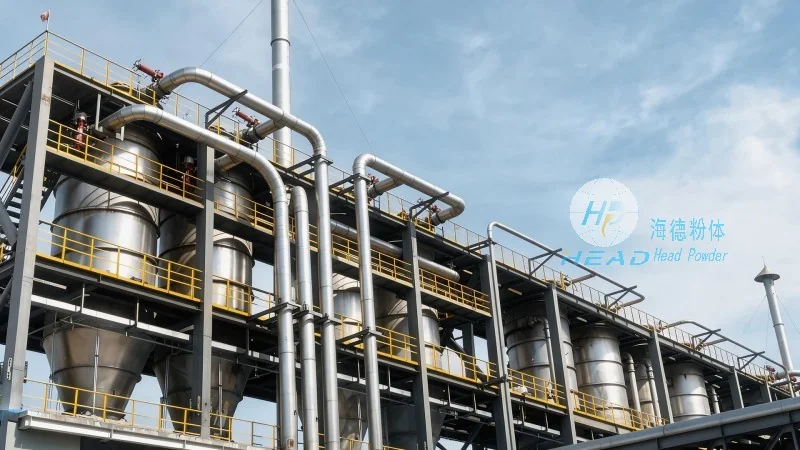
HeadPowder's air-pneumatic conveying line for oat flour is designed with flexibility and adaptability in mind. The system can be customized to accommodate different production volumes, with options for single or multi-line configurations. It is also equipped with features such as automatic cleaning and maintenance alerts, which help to minimize downtime and ensure consistent performance. The company's expertise in engineering and material handling ensures that the system meets the highest standards of efficiency, safety, and product quality, making it a reliable choice for oat flour processing facilities.
In conclusion, the air-pneumatic conveying system for oat flour, developed by Shandong HeadPowder Engineering Co., Ltd., represents a sophisticated solution for the efficient and hygienic transport of this valuable ingredient. By leveraging compressed air and advanced control technologies, the system provides a cost-effective and sustainable alternative to traditional conveying methods. With its focus on operational efficiency, product integrity, and ease of maintenance, this system is well-suited for modern oat flour processing operations, helping businesses to optimize their production processes and meet the demands of the food industry.




