For industries involved in the handling of explosive powders, the reliability and safety of material transport systems are paramount. Pneumatic conveying lines represent a sophisticated solution that minimizes the risks associated with manual handling and open-air processes. This article delves into the operation process and working principle of powdered explosive pneumatic conveying lines, providing a comprehensive overview of the technical aspects and operational best practices essential for effective implementation.
Introduction to Pneumatic Conveying Systems for Explosive Powders
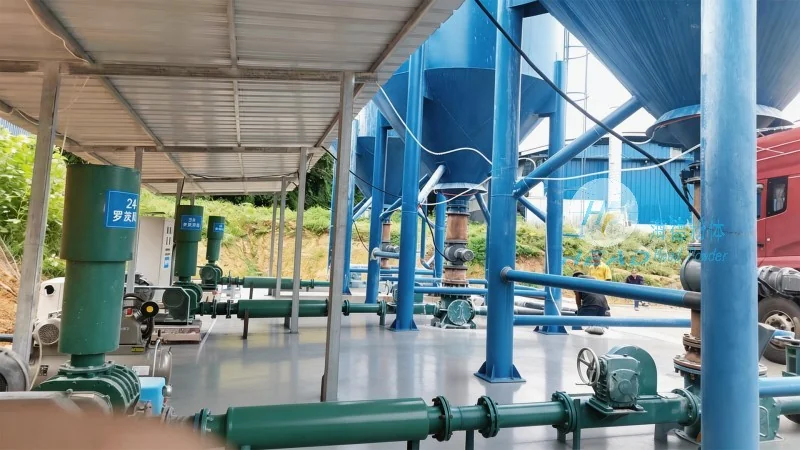
Pneumatic conveying systems are designed to transport bulk materials, such as powdered explosives, through a sealed pipeline using air or other gases. These systems are widely adopted in the explosive industry due to their ability to maintain a dust-free environment, reduce the likelihood of static discharge, and ensure controlled material flow. The design of such systems must comply with stringent safety standards, including explosion-proof certifications, to prevent accidental ignition or explosion.
Core Components of Powdered Explosive Pneumatic Conveying Lines
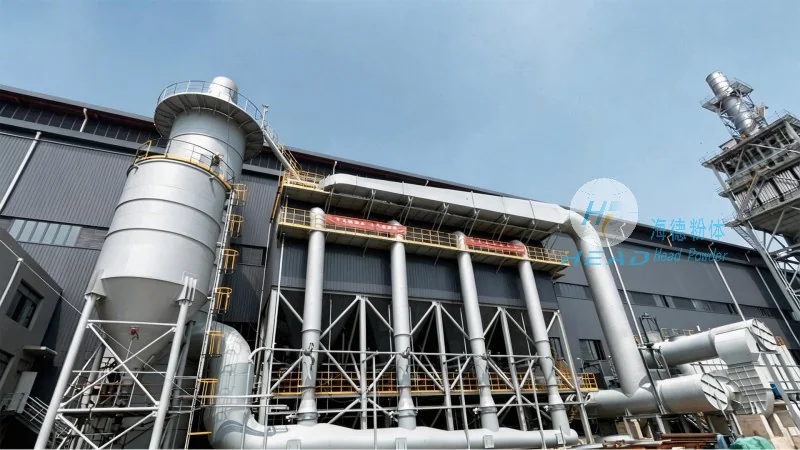
The essential components of a pneumatic conveying line for explosive powders typically include a material storage hopper, a feeder mechanism, a conveying pipeline, a pressure control system, a dust collection unit, and an explosion-proof motor. The material hopper is constructed from non-combustible materials like stainless steel or reinforced plastic to store the explosive powder safely. The feeder, often a rotary valve or a screw feeder, ensures a consistent and controlled discharge of the powder into the pipeline. The conveying pipeline is made of high-quality stainless steel (e.g., 316L) or specialized alloys to resist corrosion and prevent sparks. The pressure control system regulates the air pressure and flow rate, optimizing the conveying efficiency. The dust collection unit, equipped with HEPA filters, captures any fine particles, ensuring environmental compliance and safety. The explosion-proof motor drives the blower or fan, providing the necessary air flow while adhering to safety regulations.
Working Principle of Pneumatic Conveying for Explosive Powders
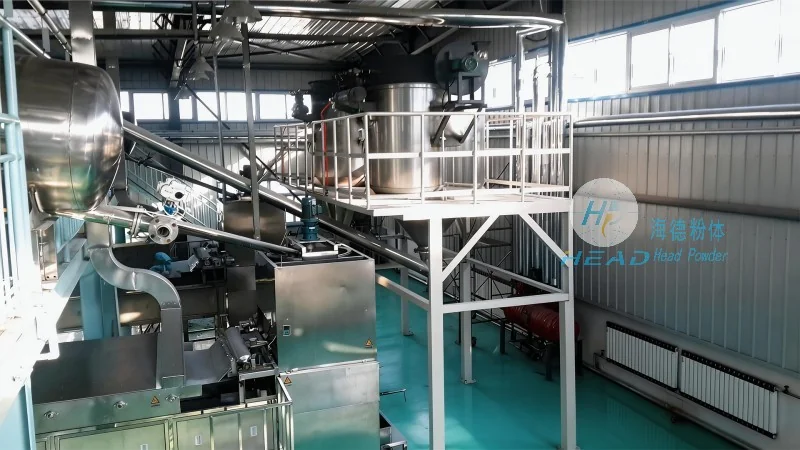
The working principle of a pneumatic conveying system involves creating a pressure differential within the pipeline. Air is introduced into the system by a positive displacement blower or a venturi system, generating a flow that lifts and transports the powder particles. The powder is suspended in the air stream and moves through the pipeline to the receiving hopper or processing unit. The system operates under either positive pressure (air is forced into the line) or negative pressure (air is drawn out of the line). For explosive powders, positive pressure systems are generally preferred as they offer better control over the material flow, reduce the risk of air leakage, and provide a more stable environment. The air velocity within the pipeline is critical; it must be sufficient to keep the powder particles suspended but not so high as to cause excessive wear on the pipeline or components.
Operation Process of Powdered Explosive Pneumatic Conveying Lines
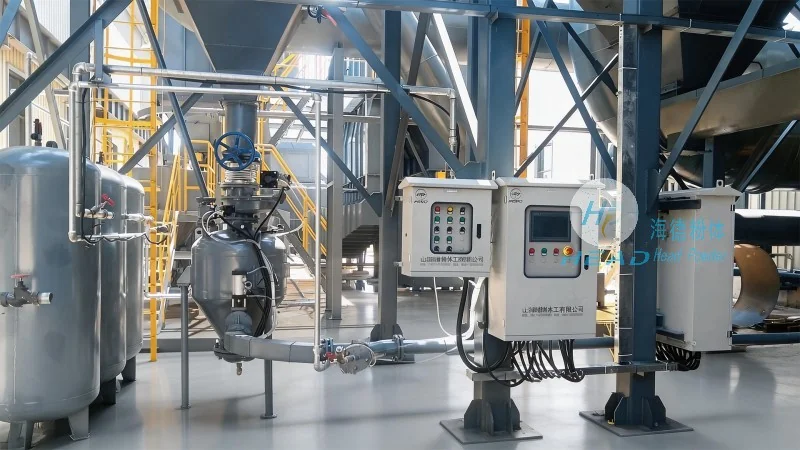
The operation process begins with the loading of the explosive powder into the material hopper. The feeder is then activated to discharge the powder at a pre-set rate into the conveying pipeline. Simultaneously, the air compressor or blower starts, generating the required air pressure to initiate the conveying flow. The powder particles are carried along the pipeline by the air stream, reaching the destination point within a few seconds to minutes, depending on the system design and distance. The control system continuously monitors parameters such as pressure, flow rate, and temperature, adjusting the air flow as needed to maintain stable operation. The dust collection unit operates concurrently, capturing any fine particles that may escape the pipeline, ensuring that the environment remains clean and safe. The entire process is automated, with sensors and control panels providing real-time feedback to operators. The system can be stopped safely by reducing the air pressure and allowing the powder to settle in the receiving hopper before the hopper is emptied.




