Shandong HeadPowder Engineering Co., Ltd., a leading manufacturer based in Shandong, China, specializes in the design, development, and production of advanced pneumatic conveying systems tailored for various industrial applications. The company's expertise lies in creating efficient and reliable solutions for transporting dry powders, including high-value products like coffee powder, with precision and minimal product degradation.
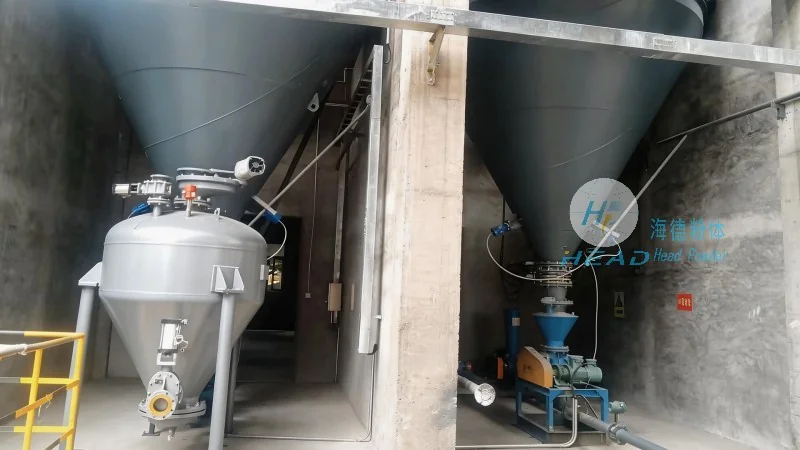
Overview of the Dry Coffee Powder Pneumatic Conveying Line
The dry coffee powder pneumatic conveying line is a sophisticated system engineered to handle the delicate and abrasive nature of coffee powder while ensuring optimal material transport efficiency. This system integrates multiple components, including a feeding hopper, a conveying pipeline, a separation unit, and a dust collection system, all working in harmony to achieve seamless material movement from the storage silo to the processing or packaging area. The design prioritizes minimal product attrition, maintaining the quality and flavor characteristics of the coffee powder throughout the conveying process.
Key Components and Their Functions
The pneumatic conveying line consists of several critical components, each playing a vital role in the overall operation. The feeding hopper is responsible for storing and feeding the coffee powder into the system, ensuring a consistent and controlled flow. The conveying pipeline, typically made of stainless steel or other corrosion-resistant materials, transports the powder under pressure or vacuum. A separation unit, such as a cyclone or a bag filter, is integrated to separate the conveyed powder from the air stream, preventing dust contamination and ensuring clean product discharge. Additionally, a dust collection system is employed to capture any residual particles, maintaining environmental compliance and product purity.
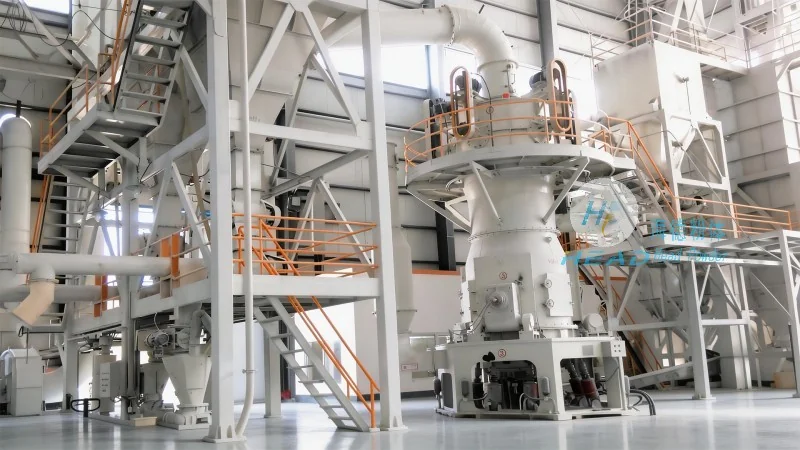
Operation Process of the Dry Coffee Powder Pneumatic Conveying Line
The operation of the dry coffee powder pneumatic conveying line begins with the loading of coffee powder into the storage silo. The powder is then transferred to the feeding hopper via a screw conveyor or a rotary valve, ensuring a steady supply. The conveying process can be categorized into two main modes: pressure conveying and vacuum conveying. In pressure conveying, a positive pressure is applied to the pipeline, pushing the powder through the system. In vacuum conveying, a negative pressure is created to draw the powder into the pipeline. The choice of mode depends on factors such as the distance to be covered, the quantity of material, and the specific characteristics of the coffee powder. The system is equipped with sensors and control valves that monitor and regulate the flow rate, pressure, and vacuum levels to maintain optimal performance and prevent system overload.
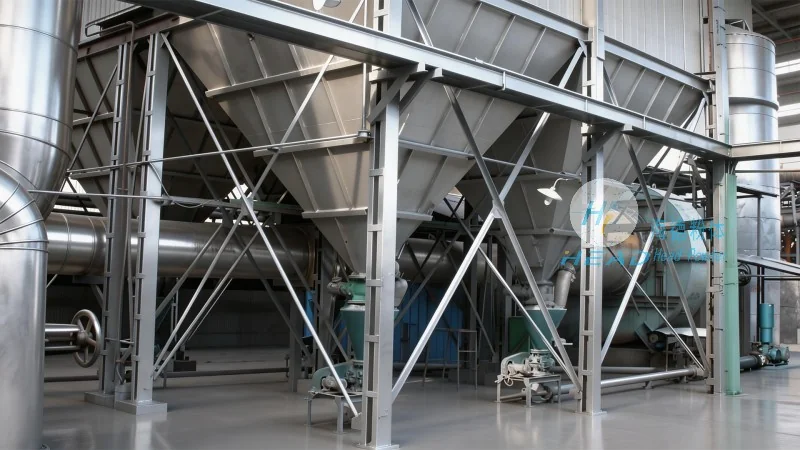
Working Principle of the Pneumatic Conveying System
The core working principle of the dry coffee powder pneumatic conveying line is based on the use of air as the conveying medium. The system utilizes either pressure or vacuum to move the coffee powder through the pipeline. In pressure conveying, a blower or a positive displacement pump generates high-pressure air, which is mixed with the coffee powder in the feeding hopper. The mixture is then forced through the pipeline, where the powder particles are suspended in the air stream and transported to the destination. In vacuum conveying, a vacuum pump creates a low-pressure environment, drawing the coffee powder from the hopper into the pipeline. The air stream carries the powder through the system, and the separation unit captures the powder from the air, allowing the air to be recycled or discharged. The system's design ensures that the coffee powder remains in a suspended state throughout the conveying process, minimizing friction and impact that could lead to particle degradation. The use of appropriate air velocities and pipeline diameters is crucial to maintain the powder's integrity and prevent blockages or clogging.
Advantages and Applications
The dry coffee powder pneumatic conveying line offers several advantages over traditional mechanical conveying methods. It eliminates the need for moving parts in contact with the product, reducing the risk of contamination and product damage. The system is also highly flexible, allowing for changes in conveying distance or flow rate without major modifications. Additionally, the enclosed pipeline design prevents dust emissions, ensuring a clean and safe working environment. These benefits make the system ideal for applications in the coffee processing industry, where maintaining product quality and hygiene is paramount. The system can be integrated into existing production lines or used as a standalone solution for transporting coffee powder from storage to packaging or further processing stages.




