Masterbatch powder pneumatic conveying lines are critical systems in the plastic and polymer processing industry, designed to efficiently transport color masterbatch powders from storage to processing equipment. This article explores the operation process and working principles of such lines, highlighting the technology's role in ensuring consistent material handling and quality control in production environments.
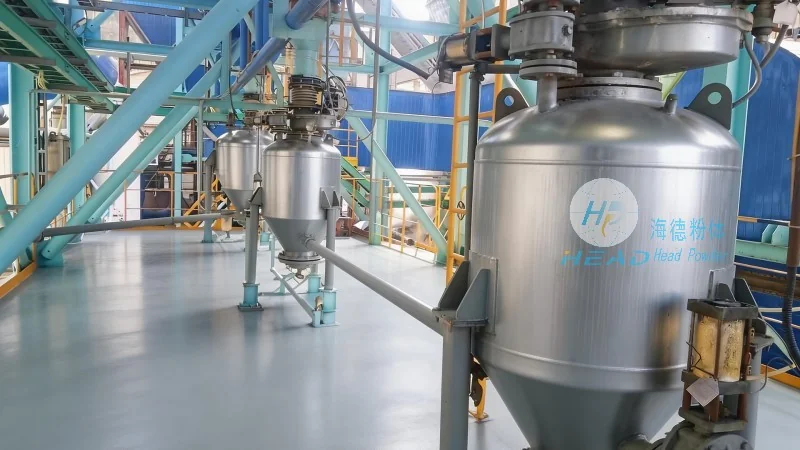
Company Overview
HeadPowder, a leading manufacturer based in Shandong, China, specializes in providing advanced pneumatic conveying solutions for the masterbatch industry. With years of experience, the company has developed robust systems that meet the demanding requirements of modern plastic manufacturing, ensuring reliability, efficiency, and safety in powder handling operations.
Working Principle of Pneumatic Conveying
The core of a masterbatch powder pneumatic conveying line is the air-driven mechanism that moves powders through a network of pipes. The system typically operates using either positive or negative pressure, depending on the application. In positive pressure systems, compressed air is introduced into the conveying line, creating a flow that propels the powder particles. Negative pressure systems, on the other hand, use vacuum to draw the powder from the source to the destination. Both methods rely on the principles of fluid dynamics to ensure smooth and controlled movement of the material.
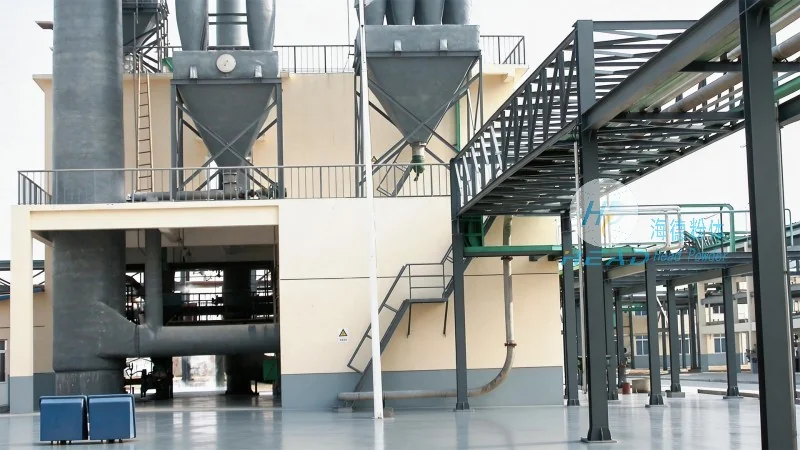
Key Components and Their Functions
A masterbatch powder pneumatic conveying line consists of several essential components, each playing a vital role in the overall operation. These include the hopper or storage bin, which holds the masterbatch powder; the feeder, responsible for controlling the flow rate of the material; the conveying line itself, which transports the powder; and the receiver or destination vessel, where the material is deposited. Additionally, the system may include filters, cyclones, and dust collectors to maintain air quality and prevent material loss.
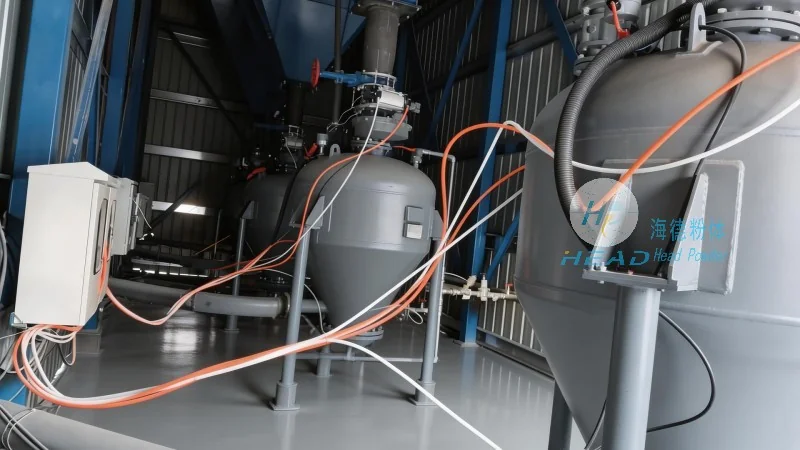
Operation Process Step-by-Step
The operation of a masterbatch powder pneumatic conveying line follows a systematic process to ensure efficient material transfer. First, the masterbatch powder is loaded into the storage hopper. The feeder then regulates the discharge rate, controlling the amount of powder entering the conveying line. Compressed air is introduced, creating a flow that carries the powder particles through the pipes. The powder travels to the receiver, where it is collected. The system may also include a feedback mechanism to adjust the air pressure or flow rate based on the material's characteristics, ensuring consistent performance.
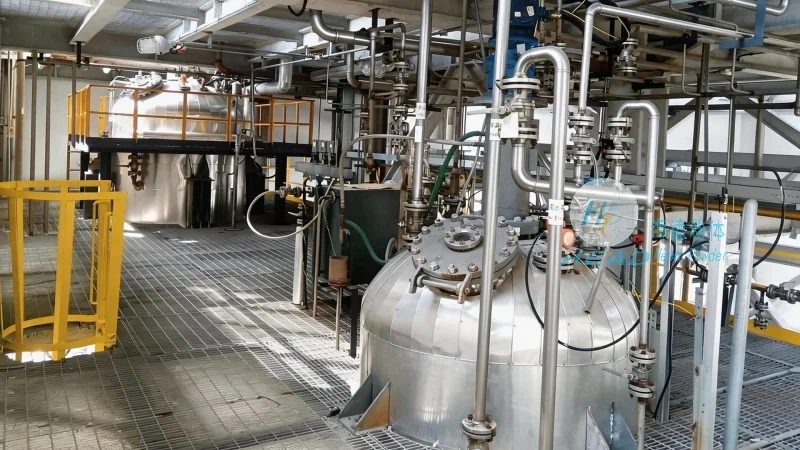
Advantages of Masterbatch Powder Pneumatic Conveying
Implementing a pneumatic conveying system for masterbatch powders offers several advantages over traditional methods. These include reduced labor costs, as automated systems handle the material transfer, and improved safety, as there is no direct human contact with the powder. The technology also minimizes material degradation and contamination, as the enclosed system prevents exposure to air and moisture. Furthermore, the system allows for precise control over the flow rate and pressure, ensuring consistent quality in the final product.
Applications and Industry Impact
Masterbatch powder pneumatic conveying lines are widely used in various industries, including plastics, rubber, and coatings. They are particularly valuable in applications where color masterbatches are used to add pigments or additives to the base polymer. The efficiency of these systems ensures that production lines can operate continuously without interruptions, leading to increased productivity and reduced downtime. By integrating advanced pneumatic conveying technology, manufacturers can enhance their operational capabilities and meet the evolving demands of the market.




