The HeadPowder Engineering Co., Ltd., a professional manufacturer based in Shandong, China, specializes in the design and production of advanced pneumatic conveying systems for various industrial applications. This article provides a detailed overview of the operating process and working principle of a pyrolytic carbon powder pneumatic conveying machine, highlighting its key components, operational flow, and technical advantages.
Key Components and System Overview
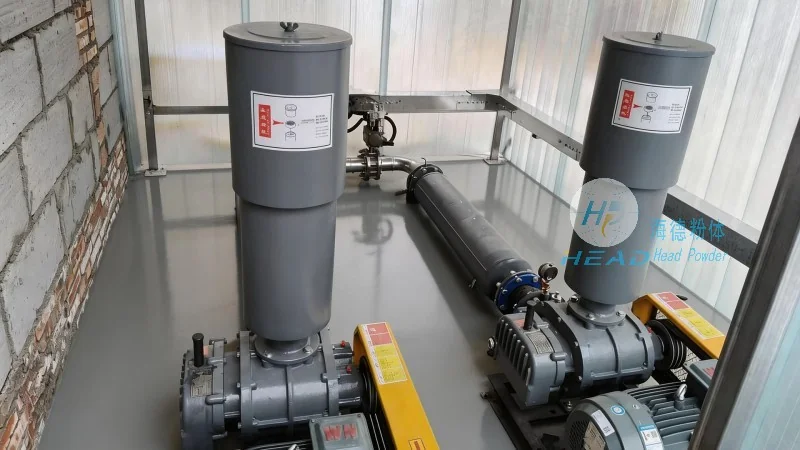
The pneumatic conveying machine for pyrolytic carbon powder operates by utilizing air as the medium to transport the powder material from the source to the destination. The system typically consists of several core components, including a hopper for material storage, a rotary valve for controlled discharge, a conveyor pipeline, a blower or air compressor to generate the necessary air pressure, and a dust collector or filter to ensure air quality and compliance with environmental regulations.
Operating Process: Step-by-Step Description
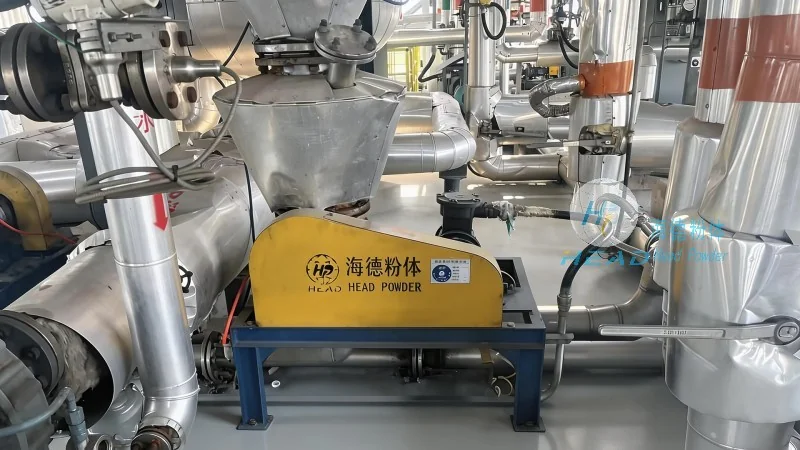
The operating process begins with the loading of pyrolytic carbon powder into the hopper. The material is then fed into the conveyor pipeline through a rotary valve, which regulates the flow rate and prevents backflow. The blower or air compressor supplies high-pressure air into the pipeline, creating a flow that propels the powder particles along the path. As the powder travels through the pipeline, it is suspended by the air stream and transported to the receiving hopper or processing unit.
Working Principle: Fluidization and Particle Suspension
The working principle of the pneumatic conveying machine relies on the principle of fluidization and particle suspension. The air velocity within the pipeline is maintained at a level sufficient to keep the powder particles in a suspended state, preventing them from settling or clogging the system. This is achieved by carefully controlling the air pressure and flow rate, which are crucial parameters for ensuring efficient and reliable operation.
Performance Factors and System Design
Several factors influence the performance of the pneumatic conveying system, such as the particle size, density, and moisture content of the pyrolytic carbon powder. The system is designed to handle a wide range of particle sizes, from fine powders to larger granules, with minimal pressure drop and high conveying efficiency. The use of appropriate materials for the pipeline and components, such as stainless steel or corrosion-resistant alloys, ensures durability and resistance to the chemical properties of the pyrolytic carbon powder.
Advantages Over Traditional Conveying Methods
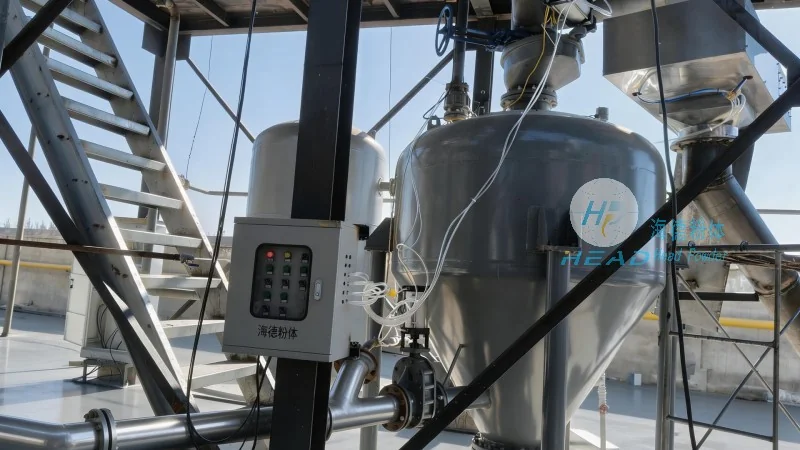
In addition to its operational efficiency, the pneumatic conveying machine offers several advantages over traditional mechanical conveying methods. It eliminates the need for moving parts in the conveying path, reducing maintenance requirements and operational costs. The system also provides better control over the material flow, allowing for precise dosing and dosing rates. Furthermore, the enclosed pipeline design minimizes dust emissions and improves workplace safety, making it suitable for applications where dust control is critical.
Customization and Industry Applications
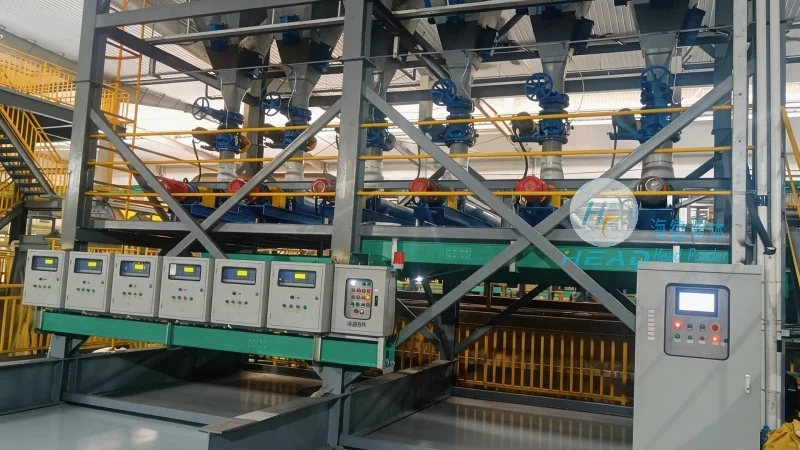
The HeadPowder Engineering Co., Ltd. has extensive experience in customizing pneumatic conveying systems to meet the specific needs of various industries, including chemical, pharmaceutical, and food processing. By leveraging advanced engineering and manufacturing capabilities, the company ensures that its products are reliable, efficient, and compliant with international standards.
Conclusion: Efficiency and Reliability in Material Handling
Overall, the pyrolytic carbon powder pneumatic conveying machine is a sophisticated and effective solution for material handling in industrial settings. Its ability to transport powders efficiently and safely makes it an essential component in many production processes, contributing to improved productivity and operational performance.




