For industries dealing with rice grain powder, efficient and reliable material handling is crucial. The pneumatic conveying machine for rice grain powder, developed by Shandong HeadPowder Engineering Co., Ltd., based in Shandong, China, offers a sophisticated solution to meet these demands. This article explores the operation process and working principle of this equipment, providing a detailed understanding of its functionality and benefits.
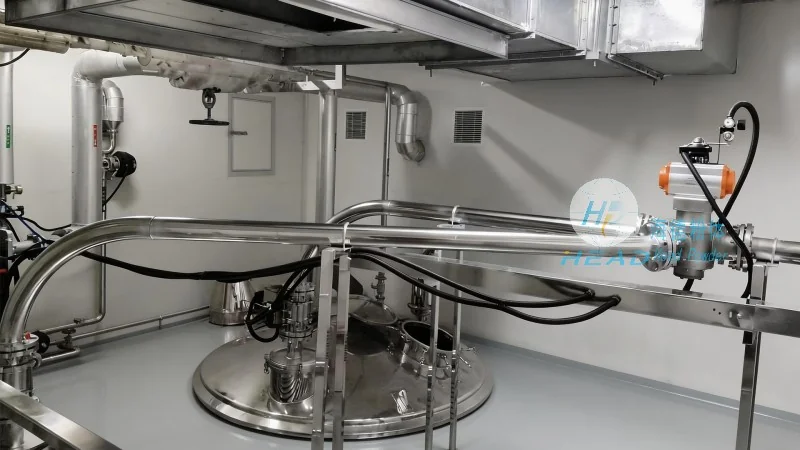
Overview of the Pneumatic Conveying System for Rice Grain Powder
The pneumatic conveying machine for rice grain powder is designed to transport rice grain powder through an air-driven system. It integrates several key components that work in tandem to ensure smooth and efficient material transfer. These components typically include a feeding hopper, an air compressor or blower, a pipeline network, a separation unit, and a discharge outlet. Each part plays a vital role in the overall operation, contributing to the system's effectiveness in handling rice grain powder.
Working Principle of the Pneumatic Conveying Machine
The core of the pneumatic conveying machine's operation lies in the use of compressed air to move the rice grain powder. The process begins with the rice grain powder being fed into the feeding hopper. From there, the material is introduced into the pipeline system as the air compressor generates a flow of air. The compressed air creates a pressure differential that propels the rice grain powder particles through the pipeline. This air-particle mixture travels through the pipeline network, which may include bends, valves, and other fittings, to reach the destination point. The separation unit then separates the rice grain powder from the air, allowing the powder to be discharged while the air is either recirculated or vented to the atmosphere.
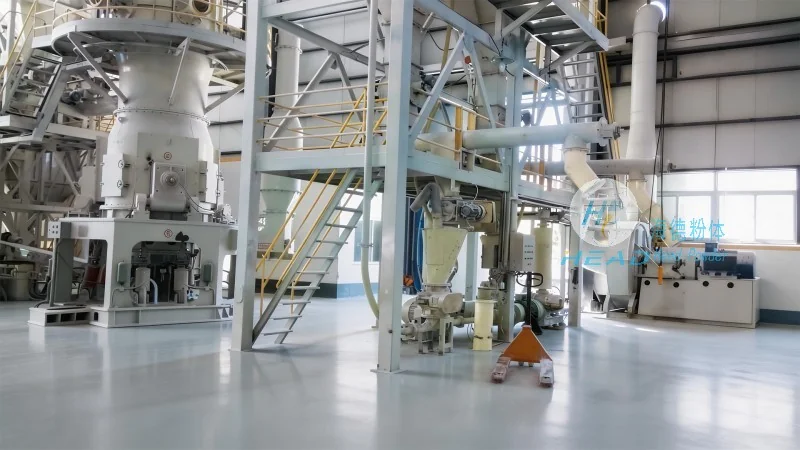
Step-by-Step Operation Process
The operation of the pneumatic conveying machine for rice grain powder involves a series of coordinated steps. First, the rice grain powder is loaded into the feeding hopper. The feeding mechanism then regulates the flow of material into the pipeline. Simultaneously, the air compressor starts and produces a steady flow of compressed air. The air and rice grain powder are mixed as the material enters the pipeline, creating a dense phase or dilute phase conveying system depending on the system design. The mixture travels through the pipeline, navigating any obstacles such as bends or changes in direction. At the receiving end, the separation unit operates to separate the rice grain powder from the air. The separated powder is collected in a discharge container, while the air is filtered and either returned to the system or released. This cycle repeats continuously, ensuring a consistent and efficient flow of rice grain powder.
Key Components and Their Functions
Several critical components are integral to the performance of the pneumatic conveying machine for rice grain powder. The feeding hopper ensures a uniform and controlled supply of rice grain powder into the system. The air compressor or blower provides the necessary pressure and airflow to move the material. The pipeline network, made of materials resistant to corrosion and wear, transports the air-particle mixture. The separation unit, which may be a cyclone separator or a filter, effectively separates the rice grain powder from the air. Finally, the discharge outlet allows the rice grain powder to be collected in a container or transferred to the next processing stage. Each component is designed to work in harmony, optimizing the overall efficiency and reliability of the system.
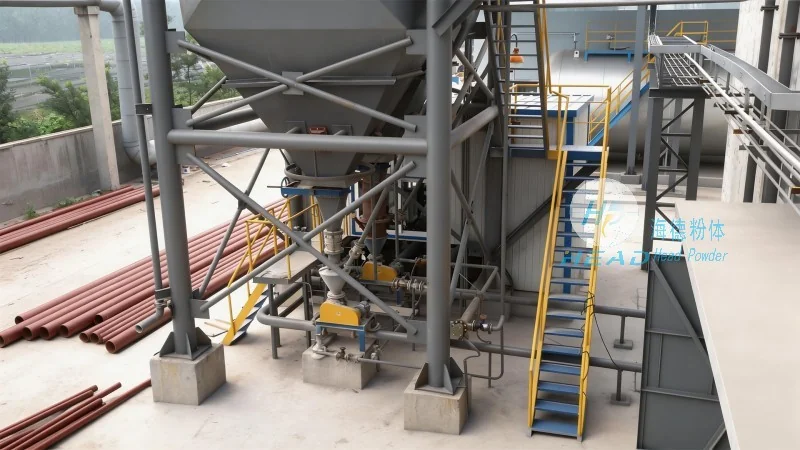
Advantages of Using a Pneumatic Conveying Machine for Rice Grain Powder
Implementing a pneumatic conveying machine for rice grain powder offers numerous advantages over traditional material handling methods. One of the primary benefits is the ability to transport the material in a closed system, which minimizes dust exposure and prevents contamination. This is particularly important for rice grain powder, which can be susceptible to moisture and microbial growth if exposed to the environment. Additionally, the system is highly efficient, as it can transport large volumes of material over long distances with minimal energy consumption compared to other methods like belt conveyors or bucket elevators. The pneumatic conveying machine also offers flexibility in terms of layout, as the pipeline can be installed in various configurations to suit the specific needs of the facility. Furthermore, the system is relatively easy to maintain, with components that are accessible and straightforward to replace or repair.
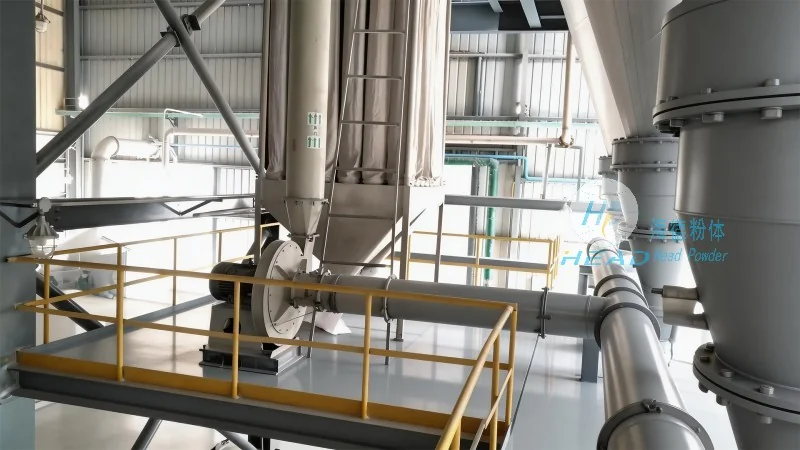
Application Scenarios and Industry Impact
The pneumatic conveying machine for rice grain powder is widely used in various industries, including food processing, pharmaceuticals, and chemical manufacturing. In the food industry, it is commonly employed in rice mills and processing plants to transport rice grain powder from storage to processing equipment, such as milling machines or packaging lines. The system ensures that the rice grain powder is handled hygienically and efficiently, meeting the stringent quality and safety standards required in the food sector. In pharmaceutical applications, the closed system helps maintain the purity of the material, preventing cross-contamination and ensuring compliance with regulatory requirements. The chemical industry also benefits from the system's ability to handle powders that may be abrasive or corrosive, as the components are designed to withstand such conditions. Overall, the pneumatic conveying machine enhances productivity and operational efficiency in these industries by providing a reliable and cost-effective material handling solution.
Conclusion and Future Developments
The pneumatic conveying machine for rice grain powder, as exemplified by the solutions offered by Shandong HeadPowder Engineering Co., Ltd., represents a significant advancement in material handling technology. By understanding the operation process and working principle of this equipment, users can appreciate its efficiency and reliability in handling rice grain powder. The system's ability to operate in a closed environment, minimize dust, and transport material over long distances makes it an ideal choice for modern processing facilities. As technology continues to evolve, future developments may focus on enhancing the system's energy efficiency, improving the separation efficiency of the unit, and integrating advanced control systems for better monitoring and automation. However, the fundamental principles of pneumatic conveying will remain relevant, as it continues to provide a robust and effective solution for rice grain powder handling in various industries.




