HeadPowder, a leading engineering company based in Shandong, China, specializes in the design and implementation of advanced pneumatic conveying systems tailored for foundry sand materials. This article provides a detailed overview of the operational process and working principles of such systems, highlighting the technical aspects and practical applications that ensure efficient material handling in foundry operations.
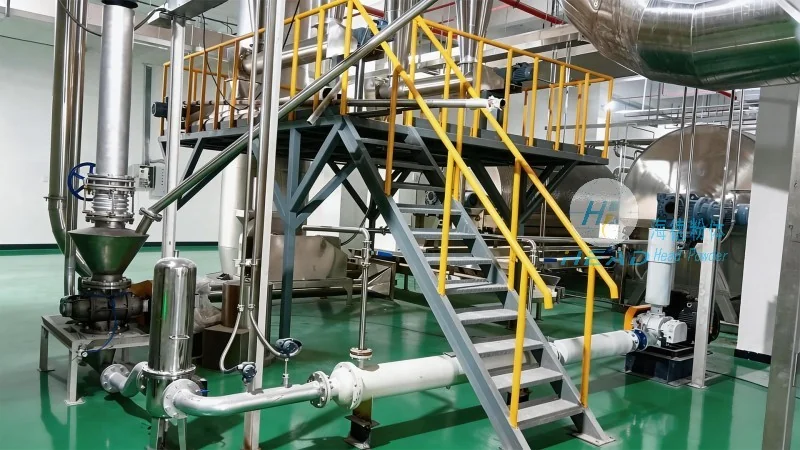
Basic Concept and System Components
Pneumatic conveying, as a key technology in material handling, involves the transportation of bulk materials like foundry sand through a pipeline using air or gas as the conveying medium. The system typically comprises a hopper for material storage, a blower or compressor to generate the necessary air pressure, a pipeline network, and a discharge device for material release. The process begins with the material being fed into the hopper, where it is then drawn into the pipeline by the moving air stream. The air velocity within the pipeline is critical, as it must be sufficient to lift and transport the sand particles while maintaining system efficiency and minimizing wear on components.
Working Principle of Pneumatic Conveying for Foundry Sand
The working principle of a typical pneumatic conveying system for foundry sand can be broken down into several key stages. First, the material is loaded into the storage hopper. A rotary valve or feeder then regulates the flow of sand into the conveying line. The blower or compressor supplies high-pressure air, which creates a vacuum or positive pressure within the pipeline, depending on the system design. As the air flows through the pipeline, it entrains the sand particles, forming a slurry-like mixture that moves from the inlet to the discharge point. At the discharge end, the air and sand separate, with the sand being collected in a receiving hopper or container, while the air is either filtered and recirculated or vented to the atmosphere.
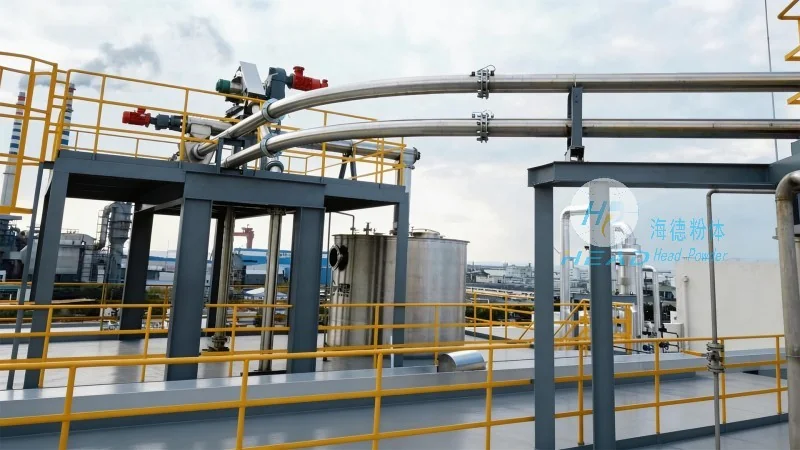
Dilute-Phase vs. Dense-Phase Conveying Systems
There are two primary types of pneumatic conveying systems used for foundry sand: dilute-phase and dense-phase. Dilute-phase systems operate at higher air velocities, typically 20-30 meters per second, and are suitable for short to medium distances. These systems are efficient for transporting fine or medium-sized sand particles but may require more energy and generate higher dust emissions. Dense-phase systems, on the other hand, operate at lower air velocities (5-15 meters per second) and higher material concentrations, making them ideal for longer distances and more abrasive materials. The dense-phase approach reduces wear on the pipeline and equipment, and it offers better control over material flow, which is crucial for maintaining the quality of foundry sand.
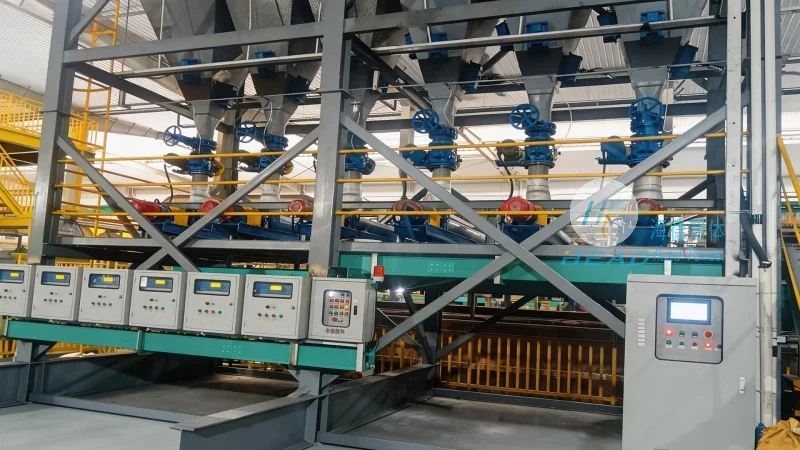
Key Components and Their Roles
Key components of a pneumatic conveying system for foundry sand include the material feeder, which ensures a consistent flow of sand into the system; the air supply unit, which provides the necessary pressure and volume of air; the pipeline, which must be designed to withstand the pressure and abrasive nature of the sand; and the separation and control devices, such as cyclones or filters, which separate the sand from the air and control the system's pressure and flow. The selection of these components is critical to the overall performance and longevity of the system.
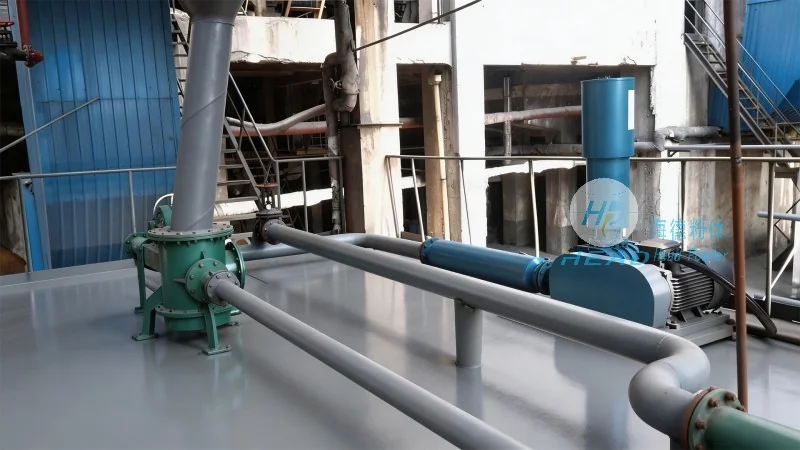
Operational Considerations and Maintenance
Operational considerations for pneumatic conveying systems in foundry applications include maintaining proper air pressure and flow rates to prevent blockages or material degradation. Regular maintenance of components, such as blower blades, pipeline elbows, and separation devices, is essential to ensure consistent performance and minimize downtime. Additionally, the system design must account for the specific characteristics of the foundry sand, including particle size distribution, moisture content, and abrasiveness, to optimize conveying efficiency and system life.
HeadPowder Engineering Co., Ltd. and Customized Solutions
HeadPowder Engineering Co., Ltd., with its headquarters in Shandong, China, has extensive experience in designing and manufacturing pneumatic conveying systems for foundry sand applications. The company's team of engineers and technicians works closely with clients to understand their specific material handling needs and to develop customized solutions that meet their operational requirements. By leveraging advanced engineering principles and high-quality materials, HeadPowder ensures that its pneumatic conveying systems deliver reliable, efficient, and cost-effective performance in foundry operations worldwide.




