Efficient and reliable transportation of coke and stone powder is a critical aspect of industrial operations, particularly in sectors such as metallurgy, cement, and chemical processing. The choice of conveying method significantly impacts operational efficiency, cost-effectiveness, and safety. This article provides a detailed comparison of common conveying methods for coke and stone powder, highlighting their advantages and disadvantages to assist industries in selecting the most suitable solution for their specific needs. The insights shared here are based on the expertise of Shandong HeadPowder Engineering Co., Ltd., a leading provider of bulk material handling solutions based in Shandong, China.
Introduction to Conveying Methods for Coke and Stone Powder
Conveying systems for coke and stone powder must handle materials with varying particle sizes, densities, and flow characteristics. The primary goal is to move these materials from one location to another with minimal loss, contamination, and energy consumption. Several methods are widely used in industrial settings, each with distinct characteristics that make them suitable for different applications.
1. Pneumatic Conveying Systems
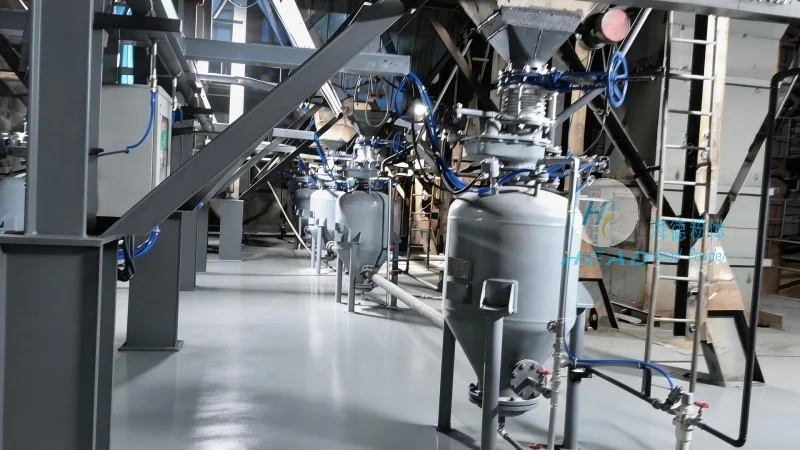
Pneumatic conveying, also known as air-pneumatic transport, utilizes air or other gases to transport bulk materials through a pipeline. This method is particularly effective for handling fine powders like coke and stone powder, as it can transport materials over long distances without the need for mechanical components at the material transfer points. The system typically consists of a blower, a hopper for material storage, and a pipeline network.
Advantages of pneumatic conveying include high flexibility in layout, ability to handle fine and abrasive materials, and reduced risk of material degradation due to minimal contact with equipment. It also allows for enclosed systems, which help in controlling dust and maintaining a clean environment. However, the main disadvantages are higher energy consumption compared to other methods, potential for material degradation if the system is not properly designed, and the need for regular maintenance of the blower and pipeline.
2. Belt Conveyors
Belt conveyors are among the most common and versatile methods for transporting bulk materials, including coke and stone powder. They consist of a continuous belt that moves over rollers or pulleys, transporting the material from the loading point to the discharge point. Belt conveyors are suitable for both short and long distances and can handle a wide range of material types and sizes.
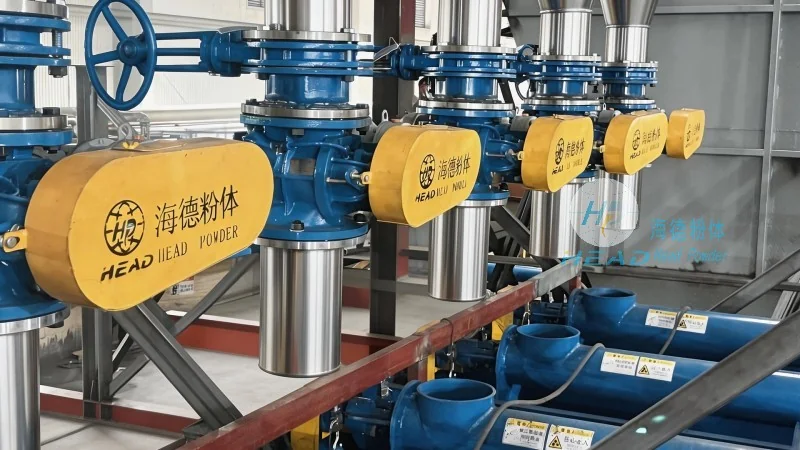
The advantages of belt conveyors include high capacity, low operating cost per tonne, and the ability to transport materials over inclined or horizontal distances. They are also relatively simple to install and maintain, making them a popular choice for many industrial applications. However, belt conveyors have limitations when it comes to handling very fine powders, as the material may slip or not adhere properly to the belt. Additionally, they require regular inspection and replacement of the belt, and the system may generate dust if not properly sealed.
3. Screw Conveyors
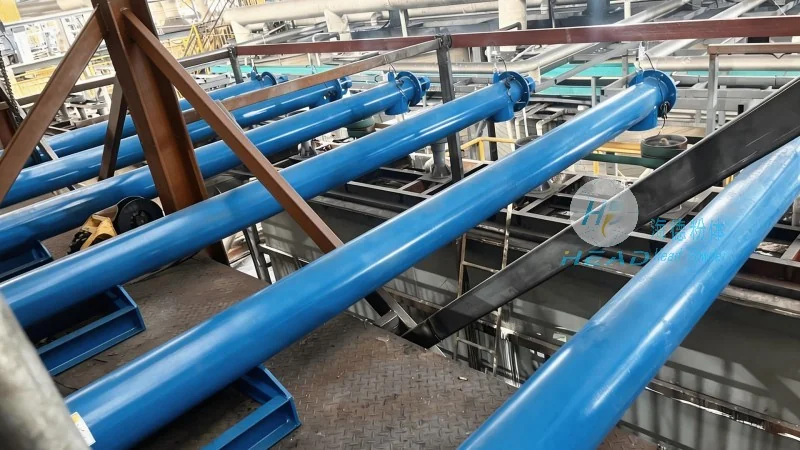
Screw conveyors, also known as auger conveyors, use a rotating screw to move materials through a tube or trough. This method is suitable for handling bulk materials with moderate to high bulk density, including coke and stone powder. Screw conveyors are compact and can be installed in a variety of orientations, making them ideal for confined spaces.
Advantages of screw conveyors include their simplicity, low cost, and ability to handle materials with high moisture content or sticky properties. They are also self-feeding and can be used for both horizontal and inclined transport. However, the main disadvantages are limited capacity compared to other methods, potential for material degradation due to friction and heat generation, and the need for regular cleaning of the screw and trough to prevent material buildup.
4. Hydraulic Conveying
Hydraulic conveying, or slurry transport, involves transporting materials in a slurry form using water or other liquids. This method is particularly effective for handling very fine powders that are difficult to convey by other means. The slurry is pumped through a pipeline, and the material is separated from the liquid at the discharge point.
The advantages of hydraulic conveying include high capacity and the ability to transport materials over long distances with minimal energy consumption. It is also suitable for handling materials with high moisture content or abrasive properties. However, the main disadvantages are the need for a large water supply, potential for material degradation due to chemical reactions, and the requirement for a separate system for slurry separation and water recycling.
5. Comparison and Selection Criteria
When selecting a conveying method for coke and stone powder, several factors must be considered, including the material characteristics, distance to be covered, required capacity, and budget constraints. Pneumatic conveying is ideal for fine powders and long-distance transport but has higher energy costs. Belt conveyors offer high capacity and low operating costs but may not be suitable for very fine materials. Screw conveyors are simple and cost-effective but have lower capacity and may cause material degradation. Hydraulic conveying is suitable for high-capacity, long-distance transport but requires a water supply and additional separation equipment.
For industries operating in China, such as Shandong HeadPowder Engineering Co., Ltd., based in Shandong, the choice of conveying method should align with their specific production requirements and operational goals. By carefully evaluating the advantages and disadvantages of each method, companies can select the most efficient and cost-effective solution to meet their material handling needs.




