Shandong HeadPowder Engineering Co., Ltd. specializes in the design, manufacturing, and implementation of advanced pneumatic conveying systems for handling lithium carbonate materials. This document provides a detailed overview of the operational process and underlying principles that govern the efficient transport of lithium carbonate using pneumatic conveying technology.
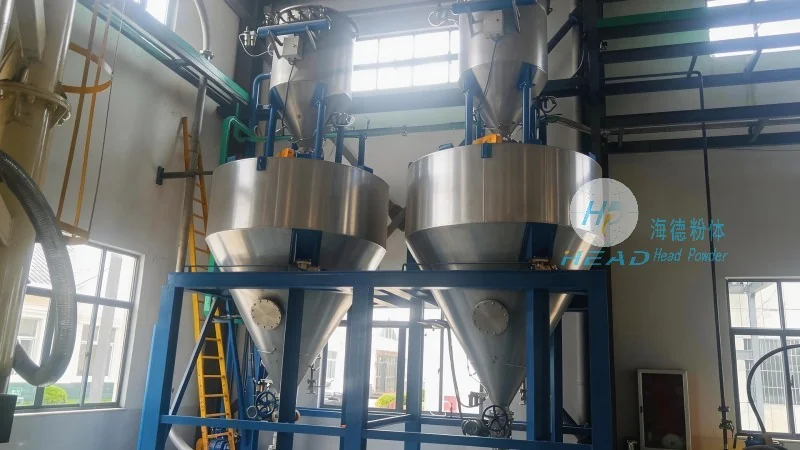
Working Principle of Pneumatic Conveying for Lithium Carbonate
The core principle of pneumatic conveying involves the use of a pressurized air stream to transport solid particles, such as lithium carbonate, through a pipeline. In a typical system, the material is fed into a hopper or feeder, where it is then introduced into the conveying line. The air, often under positive pressure or negative pressure (suction), creates a flow that lifts and moves the particles. The system relies on the balance between the air velocity and the particle size, density, and moisture content to ensure stable and continuous transport. For lithium carbonate, which is often a fine or granular material, the selection of appropriate air velocity and pressure is critical to prevent blockages and ensure uniform flow.
Operational Process of Lithium Carbonate Pneumatic Conveying
The operational process of a lithium carbonate pneumatic conveying system typically involves several key steps. First, the material is stored in a bulk storage silo or hopper. From there, it is fed into a feeder, which controls the flow rate to match the conveying system's capacity. The feeder may be a rotary valve, screw feeder, or other type of metering device to ensure consistent material delivery. Once the material enters the conveying line, it is mixed with the air stream. The air is generated by a blower or compressor, which provides the necessary pressure to move the particles. The conveying line is usually made of stainless steel or other corrosion-resistant materials to handle the chemical properties of lithium carbonate. The system may include intermediate bins or surge hoppers to buffer the flow and maintain system stability. At the discharge end, the material is separated from the air using a cyclone separator or other filtration equipment, and the air is then cleaned and recycled back into the system.
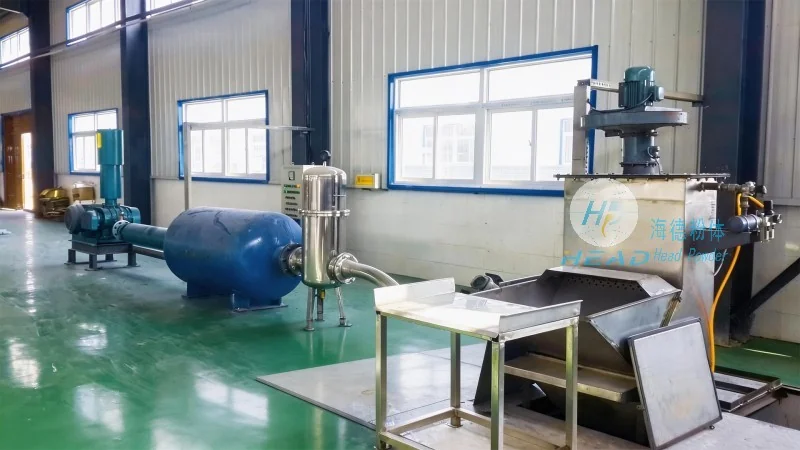
Key Components and Their Roles in Lithium Carbonate Pneumatic Conveying
Several critical components work in tandem to ensure the smooth operation of a lithium carbonate pneumatic conveying system. The feeder is responsible for metering the material, preventing overfeeding or underfeeding that could disrupt the conveying process. The blower or compressor supplies the air pressure, with adjustable settings to match the material's characteristics. The conveying line, often constructed from stainless steel or plastic, must be durable and resistant to corrosion from the lithium carbonate. The cyclone separator or filter at the discharge end separates the material from the air, allowing the air to be recycled and reducing waste. Additionally, control systems, such as pressure sensors and flow meters, monitor the system's performance and adjust parameters in real-time to maintain optimal operation.
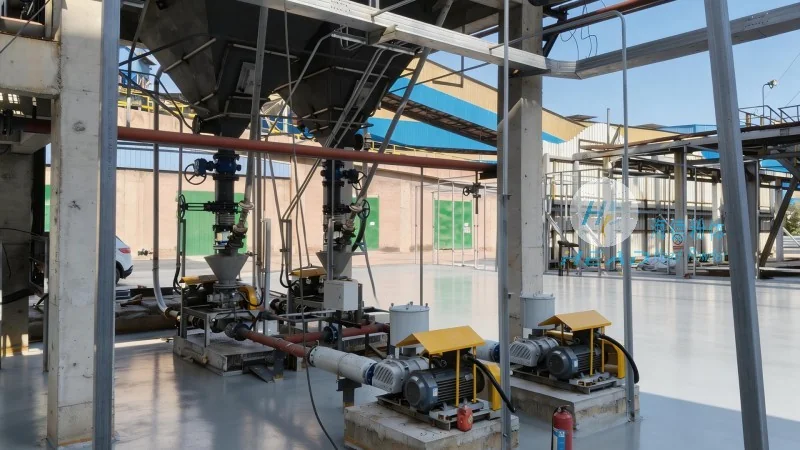
Advantages of Pneumatic Conveying for Lithium Carbonate Handling
Compared to traditional mechanical conveying methods, pneumatic conveying offers several advantages for lithium carbonate processing. It eliminates the need for moving parts in the conveying line, reducing maintenance requirements and extending equipment lifespan. The system is also flexible, allowing for changes in material flow rates or destinations without significant modifications. Pneumatic conveying is particularly effective for handling fine or dusty materials like lithium carbonate, as it prevents dust dispersion and maintains a clean working environment. Furthermore, the enclosed system reduces material loss and contamination, which is crucial for high-purity lithium carbonate applications. These benefits contribute to improved efficiency, lower operational costs, and enhanced safety in the processing facility.
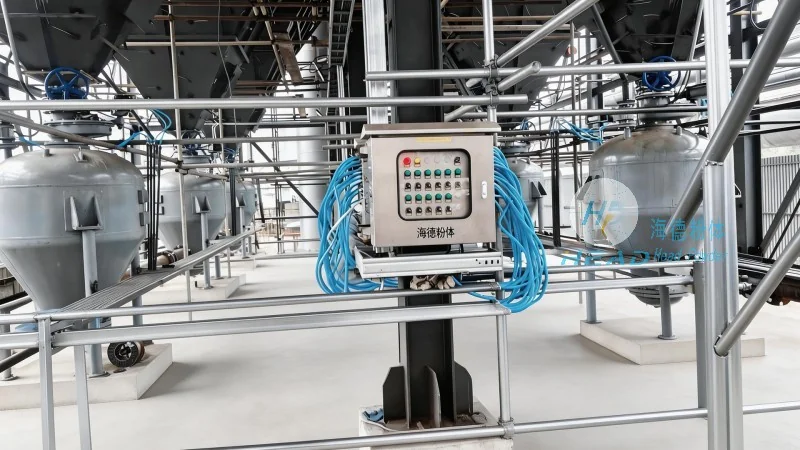
Application Considerations for Lithium Carbonate Pneumatic Conveying
When implementing a pneumatic conveying system for lithium carbonate, several factors must be considered to ensure optimal performance. The particle size and density of the lithium carbonate are critical, as they affect the required air velocity and pressure. For example, finer particles may require higher air velocities to prevent settling or blockages. The system's layout, including the length and elevation of the conveying line, also impacts the design. Proper sizing of the blower and feeder is essential to match the material's flow characteristics. Additionally, the choice of materials for the conveying line and components must be compatible with the chemical properties of lithium carbonate to prevent corrosion or degradation. By carefully evaluating these factors, facilities can select a pneumatic conveying system that meets their specific operational needs and ensures reliable, efficient material transport.
Conclusion and Company Expertise
Shandong HeadPowder Engineering Co., Ltd. provides comprehensive solutions for the pneumatic conveying of lithium carbonate, combining advanced technology with industry expertise. The company's systems are designed to handle the unique challenges of lithium carbonate processing, ensuring stable, efficient, and safe material transport. With a commitment to quality and customer satisfaction, HeadPowder delivers tailored solutions that enhance operational performance and support the growing demand for lithium carbonate in various industries. By leveraging its experience and innovative approach, the company continues to be a trusted partner in the development of efficient material handling systems for lithium carbonate applications.




