Graphene materials, renowned for their exceptional mechanical strength, high electrical conductivity, and thermal stability, are increasingly integrated into advanced industrial applications. The efficient handling of these high-value, fine powders is a critical challenge in production processes. Gaseous conveying, or pneumatic conveying, emerges as a sophisticated solution for transporting graphene materials with precision and reliability. This article delves into the operation process and working principle of gaseous conveying systems tailored for graphene materials, outlining the technical foundations and operational best practices.
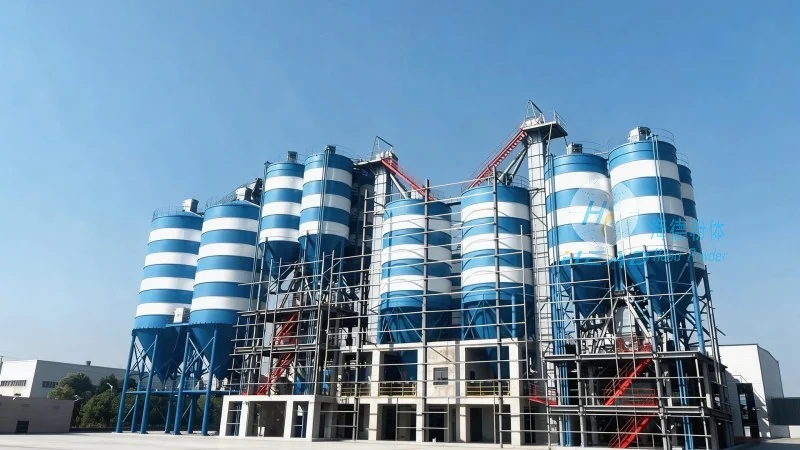
Company Profile: Shandong HeadPowder Engineering Co., Ltd.
HeadPowder, a distinguished engineering firm headquartered in Shandong, China, specializes in the development and implementation of advanced material handling technologies. With a commitment to innovation and client-centric solutions, HeadPowder designs and manufactures gaseous conveying systems that cater to the unique demands of handling graphene materials. The company leverages its expertise in fluid dynamics, material science, and industrial automation to deliver customized solutions that enhance production efficiency and material integrity. HeadPowder’s presence in the Shandong region underscores its strong local ties and ability to provide tailored support to clients across the region.
Understanding Gaseous Conveying Systems
Gaseous conveying systems operate by utilizing a pressurized gas stream to transport bulk materials through a pipeline network. For graphene materials, which are typically fine powders or thin flakes, the system must be engineered to handle their low bulk density and susceptibility to agglomeration. The fundamental components of a gaseous conveying system include a blower or compressor to generate the gas flow, a hopper or feeder to introduce the material, a pipeline system for transport, and a receiver or discharge unit to collect the material at the desired location. Each component plays a crucial role in ensuring the smooth and efficient operation of the system.
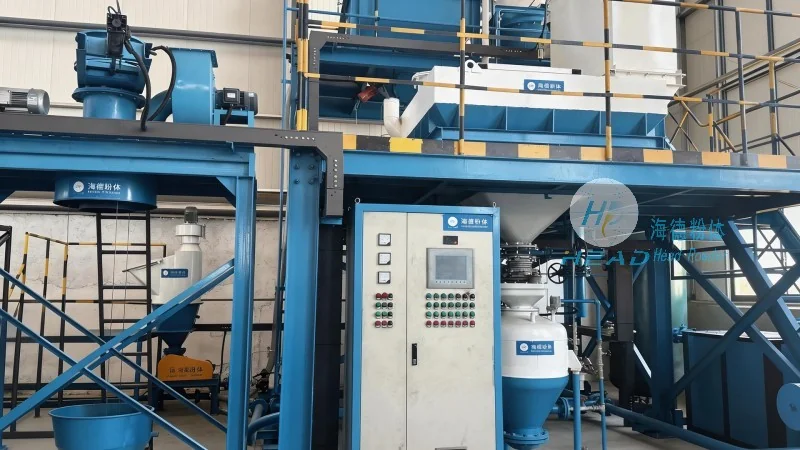
Operation Process of Graphene Material Gaseous Conveying
The operation process of gaseous conveying for graphene materials involves a series of coordinated steps. Initially, the graphene material is stored in a hopper or silo, where it is prepared for feeding. The feeder then regulates the flow rate of the material, ensuring a consistent and controlled introduction into the pipeline. Simultaneously, the blower or compressor produces a high-pressure gas stream that flows through the pipeline. The gas flow entrains the graphene particles, forming a suspension that is transported through the pipeline to the receiving end. At the destination, the gas is filtered to remove any residual particles, and the graphene material is collected in a receiver. The gas may be recycled back into the system or vented, depending on the system design and operational requirements.
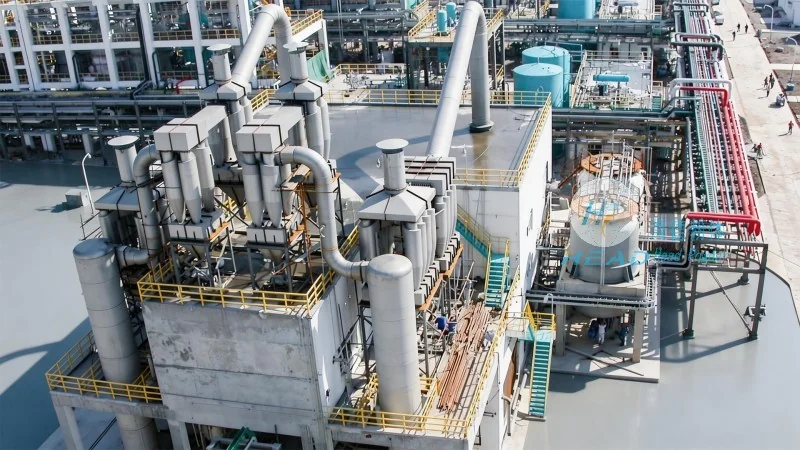
Working Principle of Gaseous Conveying for Graphene Materials
The working principle of gaseous conveying relies on the interaction between the gas flow and the material particles. The gas velocity within the pipeline must be sufficient to overcome gravitational forces and any internal resistance, ensuring that the graphene particles remain suspended and transported efficiently. The system operates under positive pressure, where the gas pressure is higher than ambient pressure, which helps maintain the flow and prevent material buildup or blockages. For fine graphene powders, the design of the pipeline and the selection of the gas velocity are critical to prevent particle deposition and ensure smooth operation. The use of appropriate filtration and separation equipment at the receiving end is essential to maintain the purity of the graphene material and protect the system from clogging.
Key Considerations for Gaseous Conveying of Graphene Materials
When implementing gaseous conveying systems for graphene materials, several factors must be carefully considered to ensure optimal performance. The material properties of graphene, such as its low bulk density and potential for static charge, necessitate specialized equipment to handle without degradation. The system design must account for the particle size distribution and flow characteristics of the graphene material to avoid issues like clogging or uneven flow. Additionally, environmental and safety considerations, including dust control and explosion prevention, are paramount, especially when handling fine powders. HeadPowder’s expertise in customizing gaseous conveying systems ensures that these considerations are addressed effectively, providing clients with reliable and efficient solutions that meet their specific requirements. By integrating advanced technologies and rigorous testing, HeadPowder delivers systems that enhance productivity while maintaining the quality and integrity of the graphene material throughout the conveying process.




