Positive pressure bulk material pneumatic conveying equipment is a specialized system designed for the efficient and reliable transportation of bulk materials over long distances or within industrial facilities. This technology utilizes compressed air to move powders, granules, and other particulate materials from a source to a destination, offering advantages such as low maintenance, minimal product contamination, and the ability to handle a wide range of materials. The equipment is widely used in industries like food processing, pharmaceuticals, chemicals, and mining, where precise material handling is critical. Developed by Shandong HeadPowder Engineering Co., Ltd., a leading manufacturer based in China, this equipment represents advanced engineering solutions for modern material handling needs.
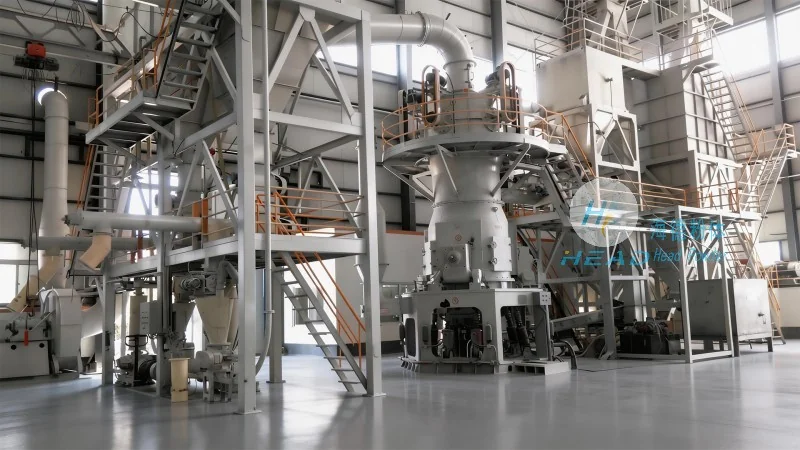
Key Components of the Conveying System
The positive pressure pneumatic conveying system typically consists of several core components that work in tandem to ensure smooth operation. These include a blower or compressor to generate the necessary air pressure, a hopper or feeder to introduce the material into the system, a pipeline network to transport the material, and a receiver or discharge unit to collect the material at the end of the process. Each component plays a crucial role in maintaining the system's efficiency and effectiveness.
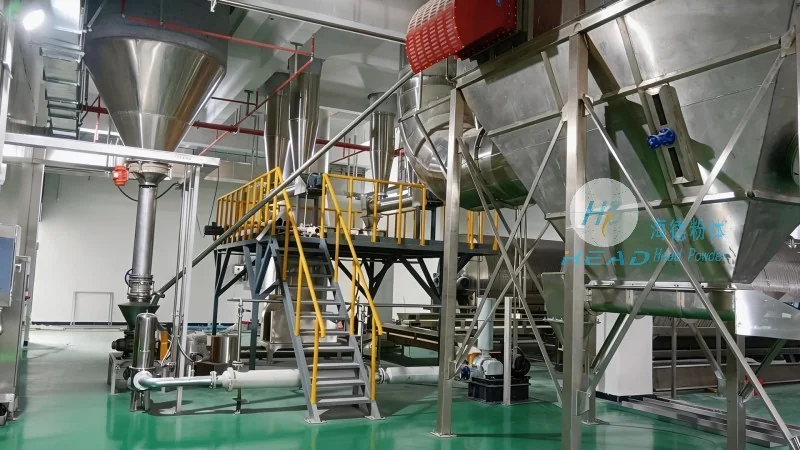
Working Principle of the Equipment
The operation of positive pressure bulk material pneumatic conveying equipment is based on the principle of air pressure. The system operates by drawing material from a hopper and mixing it with high-pressure air in a conveying line. The compressed air creates a flow that propels the material through the pipeline, ensuring it reaches the discharge point without clogging or degradation. The pressure is maintained at a level sufficient to overcome friction losses and elevation changes in the pipeline, ensuring consistent material flow.
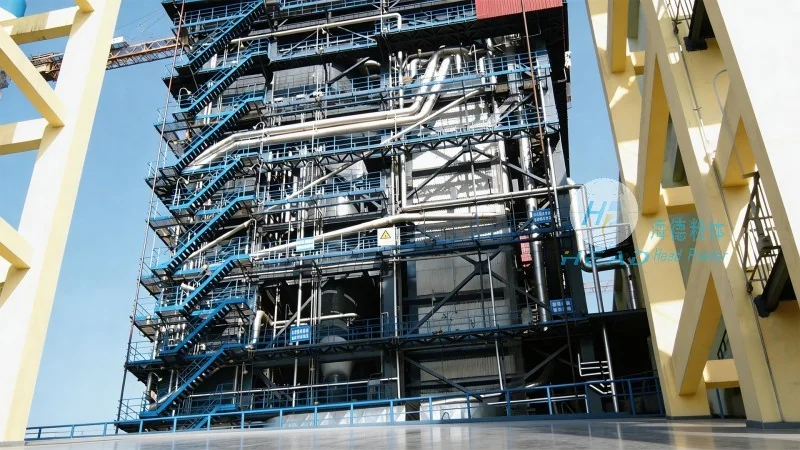
Operation Process Step-by-Step
The operation process of the positive pressure conveying system involves several key steps. First, the material is fed into the hopper from a storage silo or batch container. The feeder then meters the material into the conveying line at a controlled rate. Simultaneously, the blower supplies high-pressure air to the system, creating a positive pressure environment within the pipeline. As the material and air mix, they travel through the pipeline to the receiver, where the air is separated from the material and either vented or recycled. The material is then discharged from the receiver into the final storage or processing unit. This process is continuous and can be automated to maintain consistent material flow rates.
Advantages and Applications
Positive pressure pneumatic conveying offers several advantages over other material handling methods. It provides a clean and hygienic way to transport materials, especially in industries where contamination is a concern, such as food and pharmaceuticals. The system is also flexible, allowing for changes in material type or flow rate without significant modifications. Additionally, it can handle materials with varying particle sizes and moisture content, making it suitable for diverse applications. Common applications include transporting flour, sugar, chemicals, and minerals in manufacturing and processing plants.
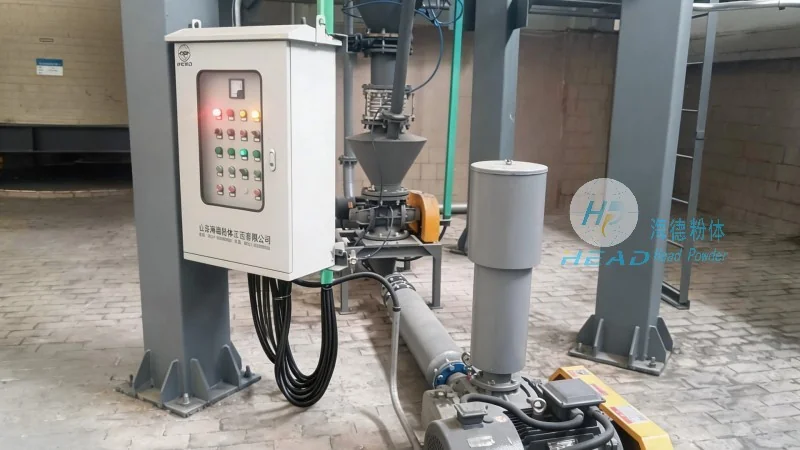
Technical Specifications and Considerations
When selecting a positive pressure bulk material pneumatic conveying system, several technical specifications and considerations must be taken into account. The system's capacity, determined by the material's flow rate and the pipeline diameter, is a critical factor. The air pressure required depends on the distance, elevation, and friction losses in the pipeline. Material properties, such as particle size, density, and moisture content, also influence the system's design. Proper sizing of the blower, feeder, and pipeline is essential to ensure optimal performance and prevent issues like clogging or excessive energy consumption. Regular maintenance, including cleaning and inspecting components, is necessary to maintain the system's efficiency and longevity.




