Shandong HeadPowder Engineering Co., Ltd. specializes in the design, manufacturing, and installation of advanced pneumatic conveying systems tailored for handling polyvinyl butyral (PVB) materials. The PVB material pneumatic conveying system is a critical piece of equipment in various industrial applications, ensuring efficient and safe material transport from source to destination. This article delves into the operational process and working principles of such a system, highlighting the key components, flow mechanisms, and the overall efficiency it offers.
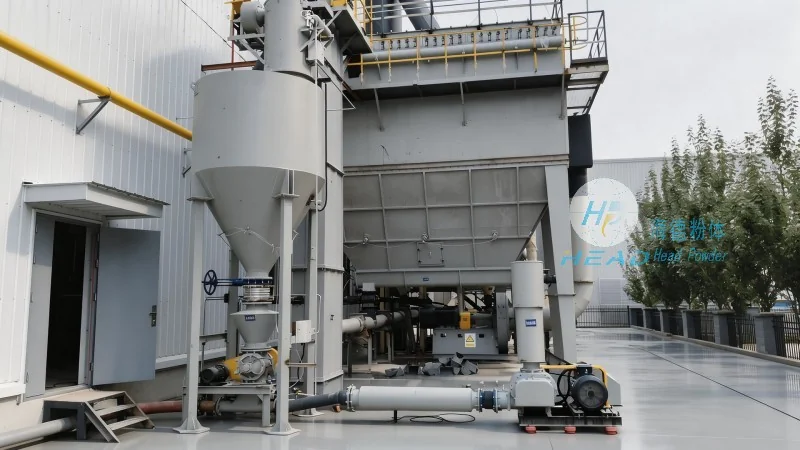
Key Components of the PVB Pneumatic Conveying System
The PVB material pneumatic conveying system comprises several essential components that work in tandem to achieve seamless material transport. These components include the material hopper, feeder, air compressor, conveying pipeline, control system, and dust collection unit. Each component plays a vital role in the system's functionality, ensuring that PVB particles are moved efficiently without degradation or loss.
The material hopper is designed to store the PVB material, providing a consistent feed to the feeder. The feeder, typically a rotary valve or a screw feeder, regulates the flow rate of PVB into the conveying pipeline. The air compressor generates the necessary air pressure to create a flow of air through the pipeline, which then carries the PVB particles. The conveying pipeline is made of durable materials, such as stainless steel or plastic, to withstand the abrasive nature of PVB particles and the high-pressure air flow. The control system monitors and adjusts the air pressure, flow rate, and material feed to maintain optimal operation. Finally, the dust collection unit ensures that any airborne particles are captured, maintaining a clean and safe working environment.
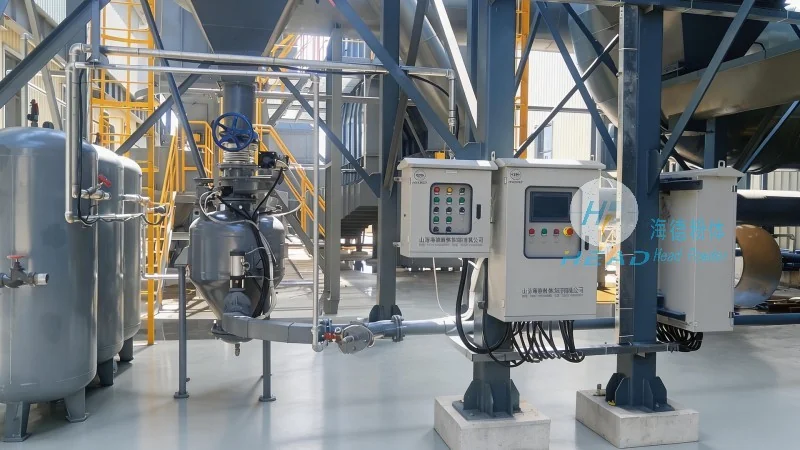
Working Principle of the PVB Pneumatic Conveying System
The working principle of the PVB material pneumatic conveying system is based on the principle of fluidization and pneumatic transport. When the air compressor starts, it generates a high-pressure air stream that flows through the conveying pipeline. As the air enters the pipeline, it creates a low-pressure zone, which draws the PVB material from the hopper into the pipeline. The PVB particles are then suspended in the air stream and transported to the destination point, such as a storage silo or processing unit. The speed and pressure of the air stream determine the conveying capacity and the distance the material can be transported.
The system operates in two main modes: dilute phase and dense phase. In the dilute phase mode, the air velocity is high, and the PVB particles are suspended in the air stream, resulting in a low concentration of material. This mode is suitable for short distances and low material loads. In the dense phase mode, the air velocity is lower, and the PVB particles are carried in a slurry-like state, resulting in a higher concentration of material. This mode is ideal for longer distances and higher material loads, as it reduces the risk of particle degradation and blockages.
Operation Process of the PVB Pneumatic Conveying System
The operation process of the PVB material pneumatic conveying system involves several steps that ensure smooth and continuous material transport. First, the PVB material is loaded into the hopper. The feeder then regulates the flow rate of the material into the conveying pipeline. The air compressor starts, generating the necessary air pressure to create the conveying flow. The control system monitors the system parameters, such as air pressure, flow rate, and material feed, to maintain optimal operation. As the PVB particles are conveyed through the pipeline, they reach the destination point, where they are discharged into the storage silo or processing unit. The dust collection unit captures any airborne particles, ensuring a clean environment. The system can be controlled manually or automatically, depending on the application requirements.
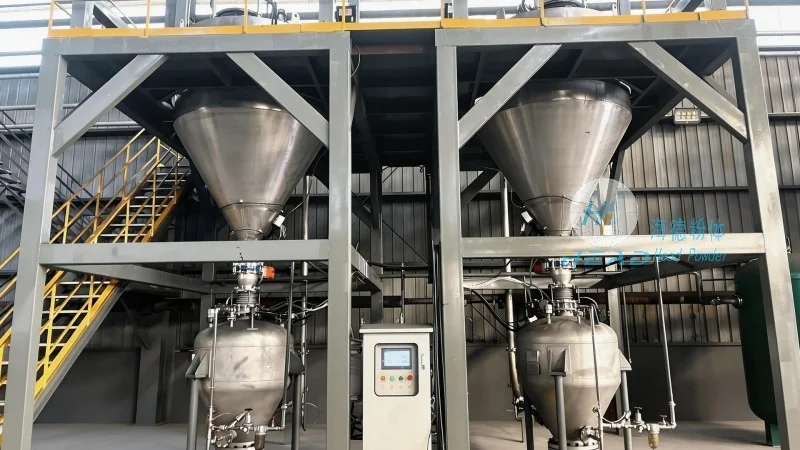
During operation, the system may encounter some challenges, such as blockages in the pipeline or variations in material feed. However, the control system is designed to detect and respond to these issues, ensuring that the system continues to operate efficiently. Regular maintenance of the system components, such as the air compressor and conveying pipeline, is essential to maintain the system's performance and longevity.
Advantages of the PVB Material Pneumatic Conveying System
The PVB material pneumatic conveying system offers several advantages over traditional material handling methods. First, it provides a continuous and efficient transport of PVB material, reducing the need for manual handling and minimizing the risk of material loss or contamination. Second, the system is compact and can be installed in various industrial settings, saving space and reducing installation costs. Third, the system is flexible, allowing for changes in material flow rate and distance as per the application requirements. Fourth, the system is safe and environmentally friendly, as it captures any airborne particles and reduces the risk of dust explosions.




