Headpowder, a leading manufacturer based in Shandong, China, specializes in the design and production of advanced pneumatic conveying equipment tailored for metal powder materials. This equipment is crucial in various industrial applications, ensuring efficient and safe material transport from source to destination. The operation process and working principle of such equipment involve a series of integrated steps that optimize material handling while maintaining high standards of performance and reliability.
Key Components and Their Roles
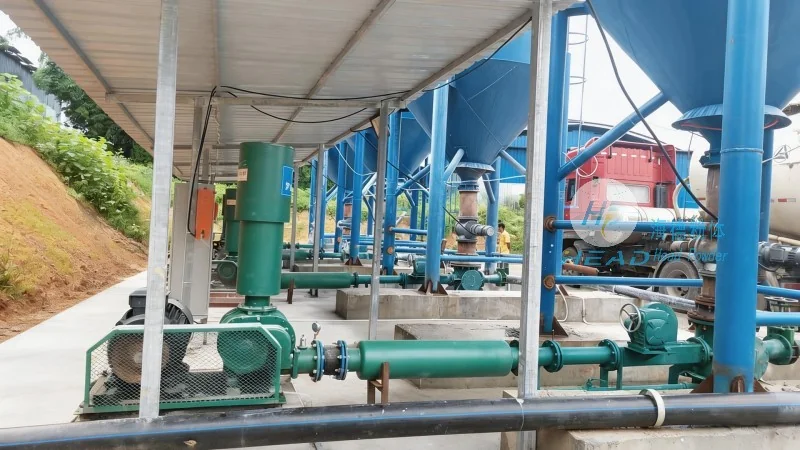
The pneumatic conveying system for metal powders typically consists of several key components, each playing a vital role in the overall operation. These include the material hopper, air compressor, conveyor line, and control system. The material hopper is designed to store the metal powder, ensuring a consistent feed rate. The air compressor generates the necessary air pressure to move the material through the conveyor line. The conveyor line, often made of durable materials resistant to corrosion and abrasion, transports the powder under pressure. The control system monitors and regulates the entire process, adjusting air pressure and flow rates as needed to maintain optimal performance.
Operation Process: Step-by-Step Explanation
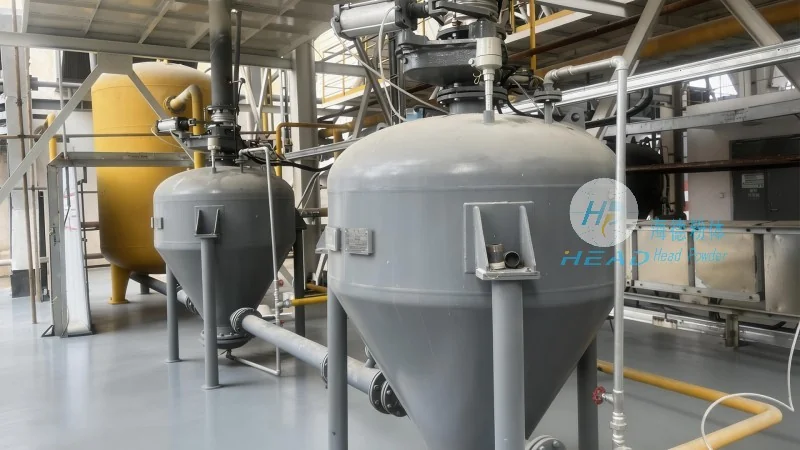
The operation of the pneumatic conveying equipment for metal powders begins with the loading of the metal powder into the material hopper. Once the hopper is filled, the air compressor starts, generating compressed air that is directed into the conveyor line. As the air flows through the line, it creates a pressure differential that lifts and propels the metal powder particles. The powder is then transported through the pipeline to the discharge point, where it is collected in a receiving container. The control system continuously monitors the pressure and flow rates, ensuring that the material is conveyed at the desired speed and without any blockages or inefficiencies.
Working Principle: How It Works
The working principle of the pneumatic conveying system relies on the fundamental concept of fluidization and pressure-driven transport. The compressed air introduced into the conveyor line creates a turbulent flow that suspends the metal powder particles, allowing them to be carried along with the air stream. This process is known as pneumatic conveying, where the air acts as the medium to transport the solid material. The efficiency of this system depends on the air velocity, pressure, and the properties of the metal powder, such as particle size, density, and moisture content. By optimizing these parameters, the equipment can achieve high conveying rates with minimal energy consumption and low material degradation.
Advantages and Applications
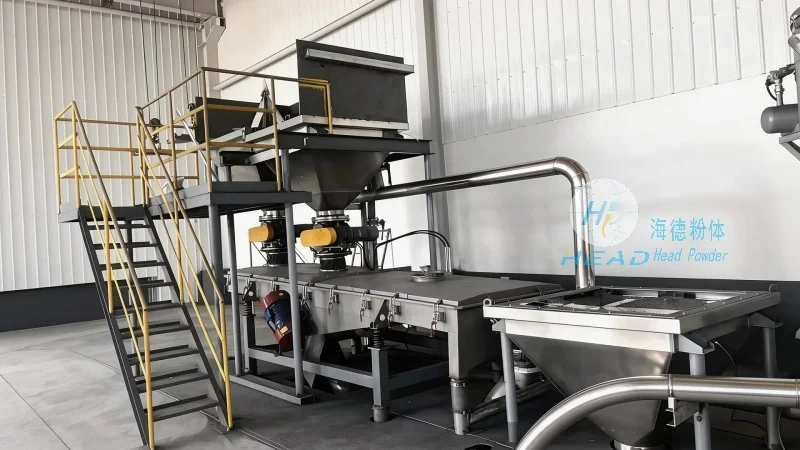
Pneumatic conveying equipment for metal powders offers several advantages over traditional methods like belt conveyors or bucket elevators. It provides a dust-free and enclosed transport system, reducing the risk of contamination and improving workplace safety. The equipment is also flexible in terms of layout, as it can be installed in various configurations to suit different plant designs. Headpowder's equipment is widely used in industries such as metal processing, pharmaceuticals, and chemical manufacturing, where the handling of fine metal powders requires precision and reliability.
Maintenance and Operational Tips
To ensure the longevity and optimal performance of the pneumatic conveying equipment, regular maintenance is essential. This includes checking the air compressor for proper operation, inspecting the conveyor line for any signs of wear or blockages, and cleaning the material hopper and receiving containers to prevent material buildup. Additionally, monitoring the air pressure and flow rates during operation helps in identifying any potential issues early on, allowing for timely adjustments and preventing system failures. By following these maintenance practices, users can maximize the efficiency and lifespan of the equipment, ensuring consistent and reliable material transport.




