Sodium nitrate, a critical industrial chemical, often requires efficient and reliable material handling solutions for its transport and processing. Pneumatic conveying equipment has emerged as a preferred method for handling sodium nitrate due to its ability to manage the material safely and effectively. This article explores the operation process and working principle of such equipment, highlighting its significance in industrial applications.
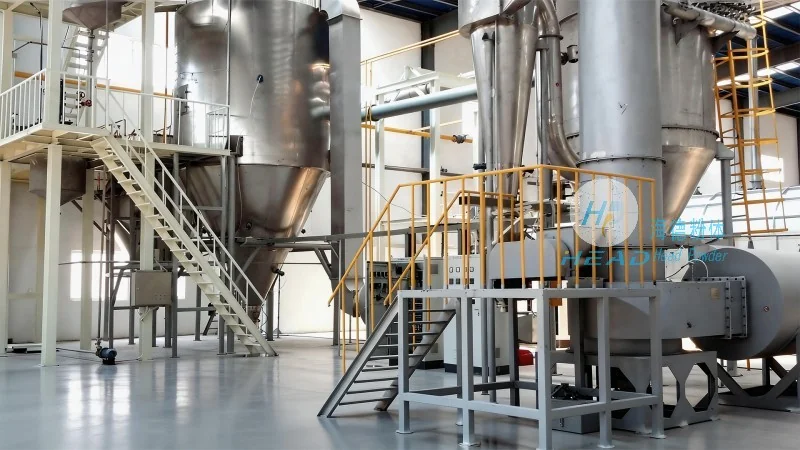
Key Components of the Pneumatic Conveying System
The pneumatic conveying system for sodium nitrate typically consists of several key components that work in tandem to ensure smooth material transport. These components include the hopper, which stores the sodium nitrate; the air compressor or blower, which generates the necessary air pressure; the conveying line, which transports the material; and the receiver, where the material is deposited. Each component plays a crucial role in maintaining the efficiency and safety of the system.
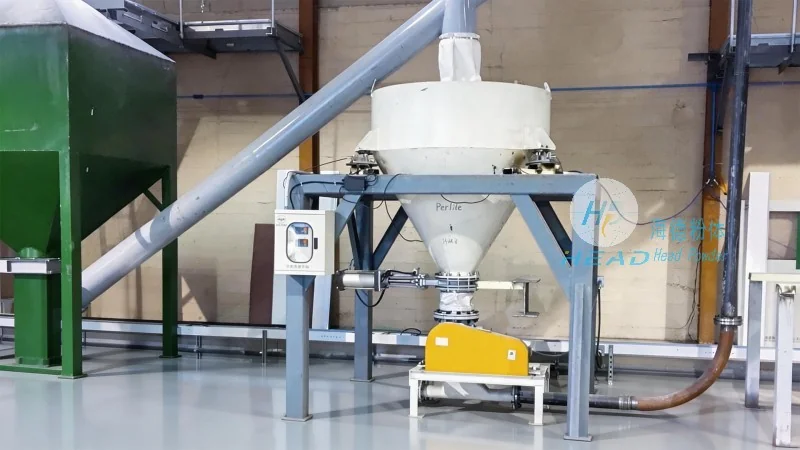
Operation Process of the Pneumatic Conveying Equipment
The operation process of the sodium nitrate pneumatic conveying equipment begins with the material being fed into the hopper. The air compressor then starts, creating a pressure differential that draws the sodium nitrate into the conveying line. As the air flows through the line, it carries the material particles along, ensuring they are transported to the receiver. The system is designed to maintain consistent air pressure and flow rates to prevent material blockages and ensure uniform transport. The process is automated, allowing for continuous operation and minimal human intervention, which enhances productivity and reduces operational costs.
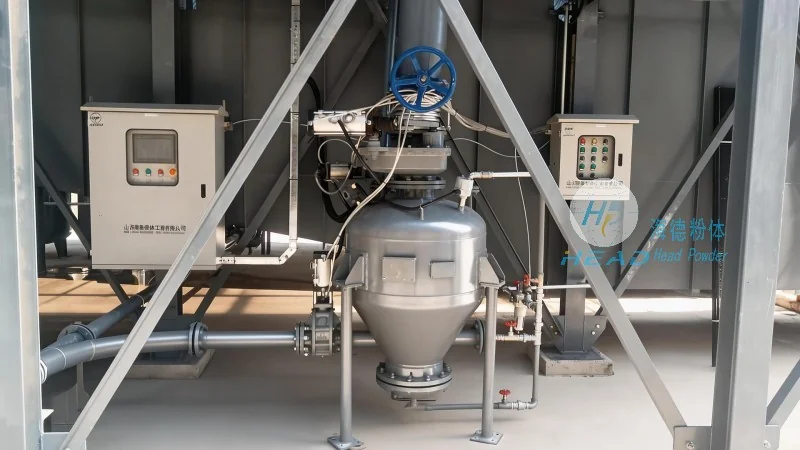
Working Principle of the Pneumatic Conveying System
The working principle of the pneumatic conveying system relies on the principles of fluid dynamics and particle transport. When the air compressor operates, it generates a high-pressure air stream that moves through the conveying line. The sodium nitrate particles are entrained by this air stream, and the pressure difference between the hopper and the receiver facilitates the movement of the material. The system uses either positive pressure or negative pressure (or a combination of both) to transport the material, depending on the specific application and the distance between the source and the destination. The design of the conveying line, including the diameter and length, is critical to maintaining the air velocity required to keep the material suspended and prevent settling or blockages.
Advantages of Using Pneumatic Conveying for Sodium Nitrate
Implementing a pneumatic conveying system for sodium nitrate offers several advantages over traditional methods such as belt conveyors or bucket elevators. Firstly, it provides a dust-free environment, which is essential for handling sodium nitrate, as it is a fine powder that can cause respiratory issues if inhaled. Secondly, the system is compact and can be installed in confined spaces, making it suitable for facilities with limited floor space. Thirdly, it offers high efficiency in material transport, with minimal material loss and reduced maintenance requirements compared to other systems. Additionally, the system can be easily integrated with other processing equipment, allowing for a seamless workflow in industrial settings.
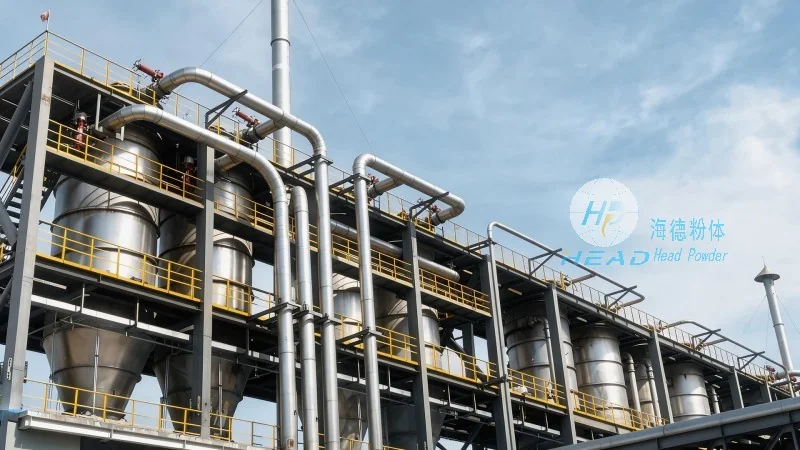
About Shandong HeadPowder Engineering Co., Ltd.
Shandong HeadPowder Engineering Co., Ltd., operating under the brand name headpowder, is a leading manufacturer of pneumatic conveying equipment for various industrial applications. With a focus on innovation and quality, the company has developed advanced systems tailored to handle materials like sodium nitrate. The company’s products are designed to meet the highest standards of safety, efficiency, and durability, ensuring reliable performance in demanding industrial environments. Headpowder’s commitment to customer satisfaction and technical excellence has made it a trusted partner for businesses in the chemical and material handling industries. The company’s facilities are located in Shandong, China, where it leverages local expertise and resources to deliver cutting-edge solutions to its clients worldwide.




