HeadPowder, a leading provider in the field, specializes in the design, manufacturing, and installation of advanced pneumatic conveying systems tailored for organic salt materials. This equipment is engineered to efficiently transport bulk organic salt materials over long distances with minimal operational disruption and high reliability. The following sections will delve into the operational process and working principles of such systems, highlighting the key components and the step-by-step procedures involved in their operation.
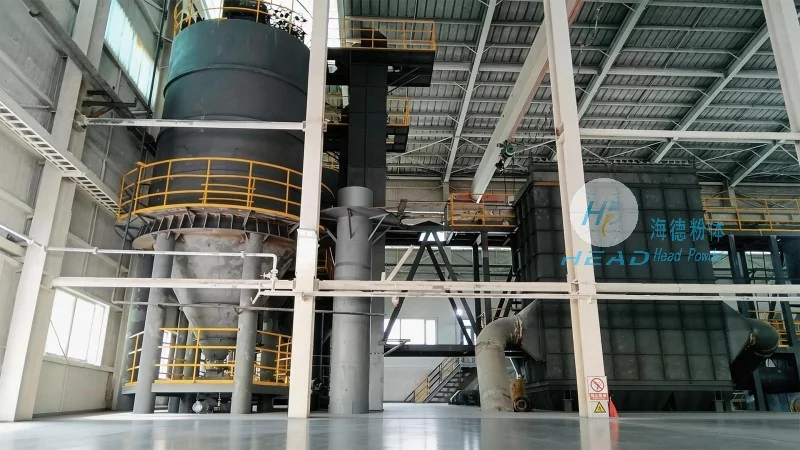
Key Components of Pneumatic Conveying Systems for Organic Salt Materials
The pneumatic conveying equipment for organic salt materials typically consists of several critical components that work in tandem to ensure smooth material transport. These include the hopper or feeder for material storage and discharge, a compressor or blower to generate the necessary air pressure, a pipeline network to guide the material-air mixture, and a receiver or discharge unit to collect the conveyed material. Each component plays a vital role in maintaining the system's efficiency and preventing material degradation or blockages. The hopper is designed with appropriate aeration and sealing mechanisms to prevent material bridging and ensure consistent feed rates. The compressor, often a positive displacement type, provides the required pressure to move the material through the pipeline. The pipeline system is constructed from materials resistant to corrosion and abrasion, such as stainless steel or special polymers, to withstand the chemical properties of organic salts and the abrasive nature of the material itself. The receiver is equipped with a discharge valve and sometimes a dust collection system to handle the final material output safely and efficiently.
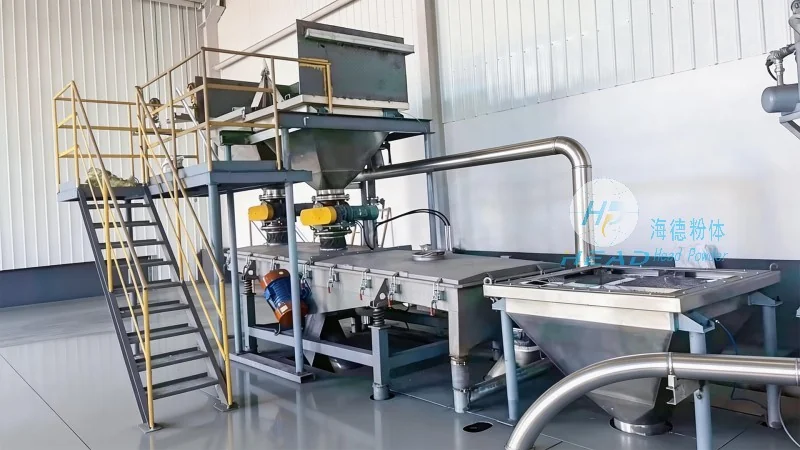
Operating Process of Pneumatic Conveying Equipment
The operation of pneumatic conveying equipment for organic salt materials follows a systematic sequence of steps to ensure optimal performance. The process begins with the loading of organic salt material into the hopper. The material is then fed into the pipeline system under controlled conditions, where it is mixed with the compressed air from the blower. The air pressure forces the material particles to move through the pipeline, creating a slurry-like mixture that travels to the receiver. The speed and pressure of the air are carefully regulated to maintain a stable flow rate and prevent excessive wear on the system components. As the material reaches the receiver, the air is separated from the material, often through a cyclone or filtration system, and the organic salt is collected in the designated container. The entire process is monitored by sensors and control systems that adjust the air flow and material feed rates in real-time to maintain consistent performance and prevent system failures.
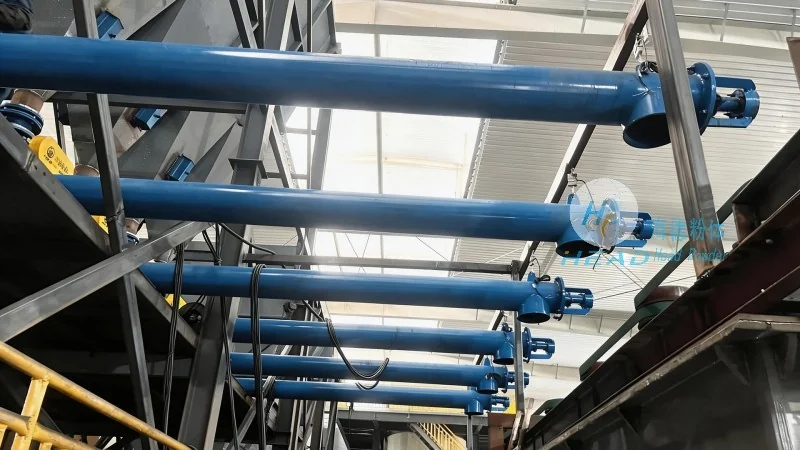
Working Principle of Pneumatic Conveying Systems
The working principle of pneumatic conveying equipment for organic salt materials is based on the fundamental concept of transporting bulk materials using a gas stream. In this system, the organic salt material is suspended in the air stream and carried through the pipeline. The key to efficient operation lies in achieving the right balance between air velocity and material particle size. If the air velocity is too low, the material may settle and cause blockages; if it is too high, excessive wear on the pipeline and components may occur. The system operates under either positive pressure (where air is forced into the system) or negative pressure (where air is drawn out), depending on the specific application and material characteristics. For organic salt materials, positive pressure systems are commonly used due to their ability to handle abrasive and corrosive materials more effectively. The positive pressure system ensures that the material is continuously pushed through the pipeline, reducing the risk of clogging and improving overall system reliability. The working principle also involves the use of specialized valves and controls to manage the flow of material and air, ensuring that the system operates within safe and efficient parameters.
Advantages of Using Pneumatic Conveying Equipment for Organic Salt Materials
Employing pneumatic conveying equipment for organic salt materials offers several significant advantages over traditional mechanical conveying methods. One of the primary benefits is the ability to transport materials over long distances without the need for intermediate transfer points or manual handling. This reduces operational costs and improves overall efficiency. The system also minimizes material contamination and degradation, as the material is enclosed within the pipeline and protected from external factors such as moisture, dust, and environmental contaminants. Additionally, pneumatic conveying systems are highly flexible and can be easily integrated into existing production lines or expanded to accommodate future growth. The automated control systems allow for precise regulation of material flow rates, ensuring consistent quality and reducing the risk of overloading or underloading in downstream processes. Furthermore, the equipment is designed to be low-maintenance, with components that are easily accessible and replaceable, minimizing downtime and maintenance costs.
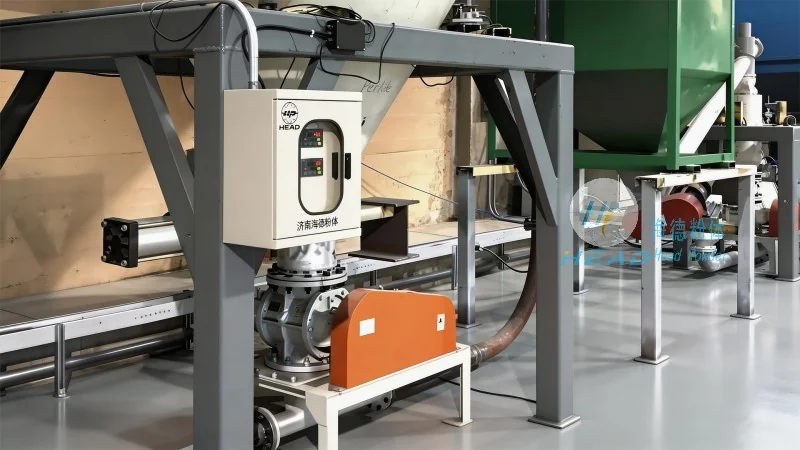
Application Examples and Industry Impact
Pneumatic conveying equipment for organic salt materials is widely used in various industrial applications, including chemical manufacturing, food processing, and pharmaceutical production. In chemical plants, these systems are used to transport organic salts used in the production of fertilizers, detergents, and other chemical products. The efficient and reliable transport of these materials ensures smooth production processes and reduces the risk of material loss or contamination. In food processing facilities, the equipment is employed to handle organic salt ingredients for food products, maintaining hygiene and quality standards. The ability to transport these materials in a closed system prevents cross-contamination and ensures compliance with food safety regulations. In the pharmaceutical industry, pneumatic conveying systems are used to transport organic salt raw materials for drug manufacturing, where precision and cleanliness are paramount. The use of stainless steel and other corrosion-resistant materials in the system construction ensures that the materials remain free from contaminants, meeting the stringent quality requirements of the pharmaceutical sector.




