Perlite material pneumatic conveying equipment is a critical component in industrial processes that require efficient and reliable transportation of lightweight, abrasive materials like perlite. This equipment utilizes air or gas as the conveying medium to move perlite from one location to another, offering advantages such as reduced maintenance, lower energy consumption, and enhanced safety compared to traditional mechanical systems. Understanding the operating process and working principle of such equipment is essential for optimizing performance and ensuring consistent material handling in various applications.
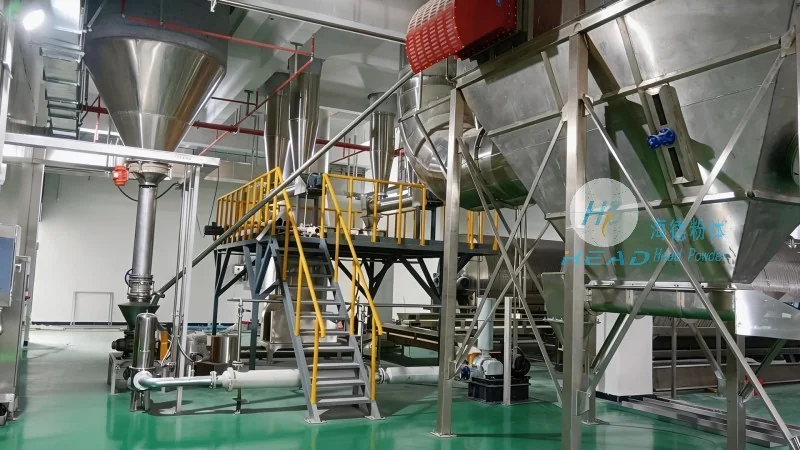
Company Overview: Shandong HeadPowder Engineering Co., Ltd.
HeadPowder, the manufacturer of this advanced pneumatic conveying equipment, is a leading enterprise based in Shandong, China. With years of experience in the engineering and manufacturing of material handling solutions, HeadPowder specializes in developing customized systems tailored to the unique needs of clients in the construction, chemical, and industrial sectors. The company's commitment to quality, innovation, and customer satisfaction has established it as a trusted partner for businesses seeking efficient and reliable material transport solutions.
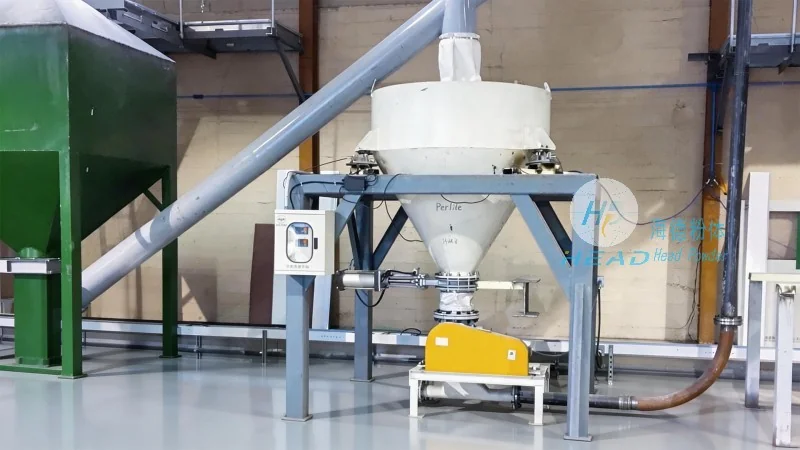
Working Principle of Pneumatic Conveying Systems for Perlite
The core working principle of perlite material pneumatic conveying equipment revolves around the use of a pressure differential to move material through a pipeline. The system typically consists of a hopper, a blower or compressor, a pipeline network, and a receiver. When the system is activated, the blower generates a flow of air that creates a negative pressure (suction) or positive pressure (blow) within the pipeline. This pressure differential draws perlite from the hopper into the pipeline, where it is carried along by the moving air stream. The design of the system, including the size of the hopper, the velocity of the air, and the layout of the pipeline, is crucial for ensuring efficient and consistent material transport without causing blockages or excessive wear on components.
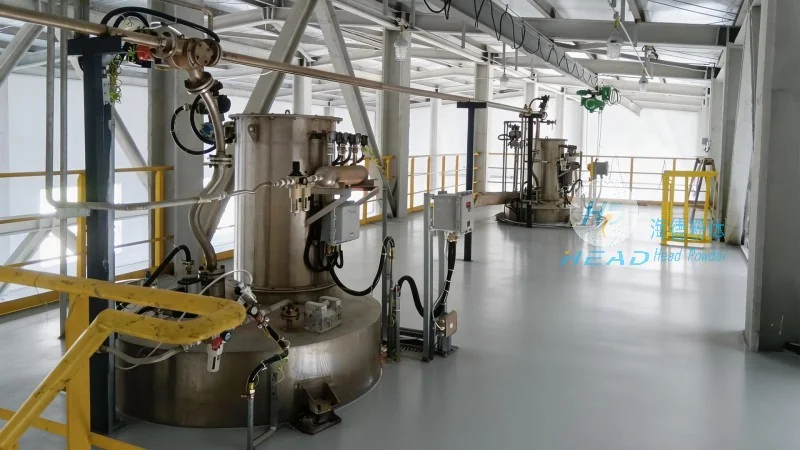
Operating Process: Step-by-Step Execution of the Equipment
The operating process of perlite material pneumatic conveying equipment involves several key steps that ensure smooth and continuous material handling. First, the perlite is loaded into the hopper, which is equipped with a feeder to control the flow rate. The feeder may be a rotary valve or a vibratory feeder, depending on the system design, and it regulates the amount of material entering the pipeline. Next, the blower is activated, and the air flow is adjusted to achieve the desired conveying velocity. As the air moves through the pipeline, it carries the perlite particles, which are then deposited into the receiver at the destination. The receiver is typically a storage tank or a processing unit, and it is designed to handle the incoming material without causing spillage or contamination. The entire process is automated, with sensors and controls monitoring the system's performance and adjusting parameters as needed to maintain optimal operation.
Key Components and Their Roles in the System
Several key components work in tandem to ensure the efficient operation of perlite material pneumatic conveying equipment. The hopper serves as the storage and feeding unit, providing a consistent supply of material to the system. The feeder, such as a rotary valve or a vibratory feeder, controls the flow rate of perlite into the pipeline, preventing overloading and ensuring smooth transport. The blower or compressor generates the air pressure required to move the material, with the choice of equipment depending on the system's capacity and the distance of material transport. The pipeline network connects the hopper to the receiver, and its design, including the diameter and length of the pipes, affects the system's efficiency and performance. The receiver collects the conveyed perlite and may include features such as a filter or a dust collection system to prevent air leakage and maintain air quality. Each component plays a critical role in the overall functionality of the system, and proper maintenance and regular inspection are essential to ensure long-term reliability.
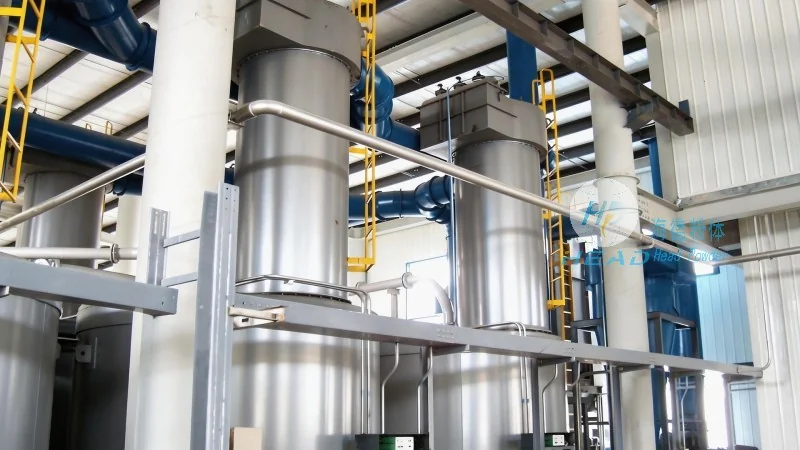
Benefits and Applications of the Equipment
The use of perlite material pneumatic conveying equipment offers numerous benefits for industrial applications. One of the primary advantages is the reduction in labor costs, as the system automates the material handling process, minimizing the need for manual labor. Additionally, the equipment reduces the risk of material contamination, as the enclosed pipeline system prevents exposure to external elements and contaminants. The system also minimizes the wear and tear on equipment compared to mechanical conveyors, as the air flow reduces friction and abrasion. Furthermore, the equipment is highly flexible, allowing for easy integration into existing production lines and adaptation to changing production requirements. The applications of this equipment are diverse, including the transportation of perlite in the construction industry for insulation and lightweight concrete production, in the chemical industry for filtration and adsorption processes, and in the food industry for packaging and processing. The versatility of the system makes it suitable for a wide range of industries and applications, making it a valuable asset for businesses seeking efficient material handling solutions.




