HeadPowder, a leading engineering company based in Shandong, China, specializes in the design and manufacturing of advanced pneumatic conveying systems tailored for handling zinc oxide material. The equipment is engineered to efficiently transport fine powders like zinc oxide, ensuring minimal product degradation and optimal operational reliability. This article provides a detailed overview of the operation process and working principle of such a system, highlighting its key components, operational flow, and technical advantages.
Key Components of the Pneumatic Conveying System
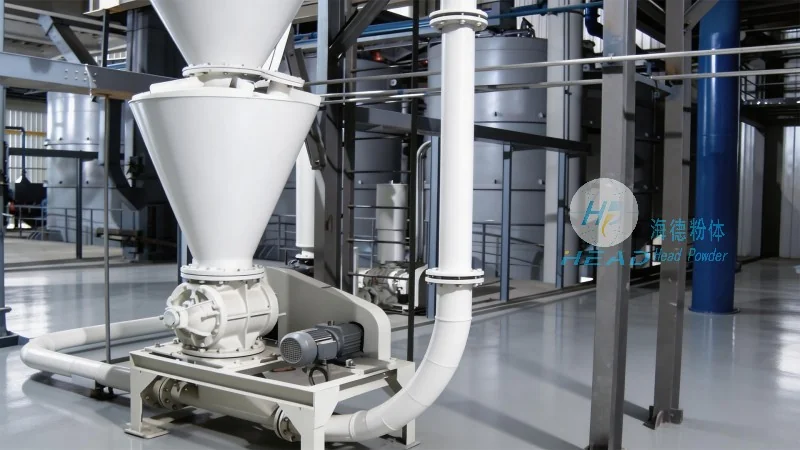
The pneumatic conveying equipment for zinc oxide material consists of several critical components that work in tandem to achieve efficient material transport. These components include a hopper for material storage, a rotary valve for controlled discharge, a conveyor pipeline system, a positive displacement blower or a pressure vessel for air supply, and a receiver for the discharged material. Each component plays a vital role in the overall system performance, ensuring smooth and continuous operation.
Working Principle of the Pneumatic Conveying Process
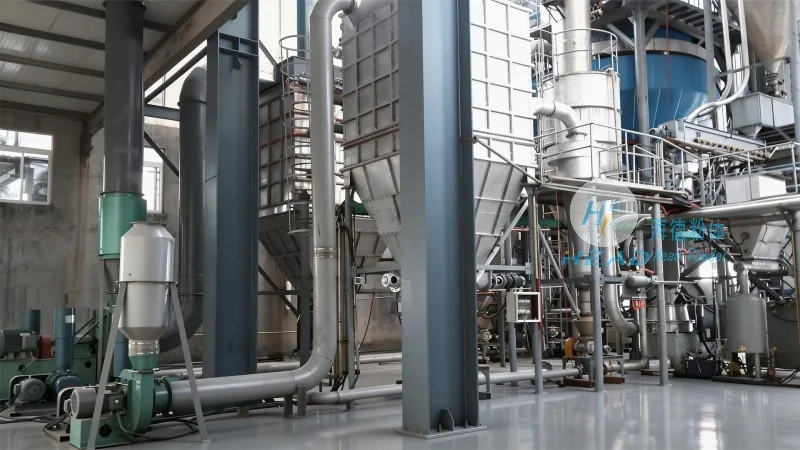
The operation of the pneumatic conveying system begins with the material being fed into the hopper from a storage silo or bulk container. The rotary valve then regulates the flow of zinc oxide material into the conveyor pipeline, controlling the discharge rate based on the system's air pressure and flow requirements. Simultaneously, the positive displacement blower generates a high-pressure air stream that travels through the pipeline, creating a vacuum or pressure differential that propels the material particles forward. As the air and material mixture moves through the pipeline, the material is carried by the air flow, with the pipeline's design (such as bends and expansions) optimized to minimize particle separation and maintain consistent flow velocity. The receiver at the end of the pipeline collects the conveyed material, where the air is separated from the product and either vented or recirculated, depending on the system configuration.
Operation Process Flow
The operational flow of the pneumatic conveying equipment for zinc oxide material follows a systematic sequence to ensure efficient material handling. Initially, the system is started by activating the blower, which establishes the necessary air pressure. The hopper is then filled with zinc oxide material, and the rotary valve is set to the desired discharge rate. As the material enters the pipeline, the air flow propels it toward the receiver. The system continuously monitors pressure and flow parameters to maintain stable operation, with automatic controls adjusting the blower speed or valve position as needed to compensate for variations in material feed or pipeline conditions. The process concludes when the material is fully transferred to the receiver, and the system can be stopped or switched to a standby mode for maintenance or material changes.
Technical Advantages and Applications
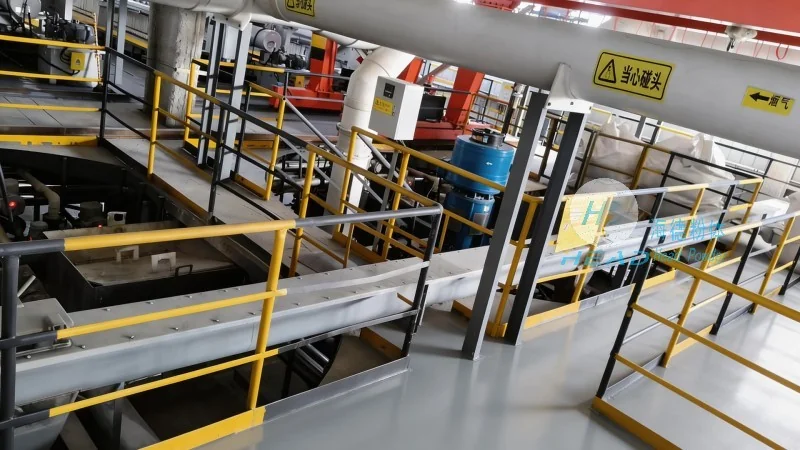
The pneumatic conveying equipment for zinc oxide material offers several technical advantages that make it suitable for industrial applications. These include high efficiency in material transport, minimal product contamination due to enclosed system design, reduced labor costs through automated operation, and the ability to handle fine powders without the need for mechanical conveyors that may cause product degradation. The system is widely used in industries such as chemical manufacturing, pharmaceuticals, and food processing, where the transport of zinc oxide or similar fine powders requires precision and reliability. HeadPowder's engineering expertise ensures that the equipment is customized to meet specific customer requirements, including varying material flow rates, pipeline lengths, and environmental conditions.




