HeadPowder, a leading manufacturer based in Shandong, China, specializes in the design, production, and installation of advanced pneumatic conveying systems tailored for handling ceramic materials. The ceramic material pneumatic conveying line is a sophisticated system that efficiently transports powders and granules through a network of pipes using compressed air or other gas streams. This technology offers a dust-free, continuous, and automated solution for industries dealing with fine or abrasive ceramic powders, ensuring high product quality and operational safety.
Key Components of the Pneumatic Conveying System
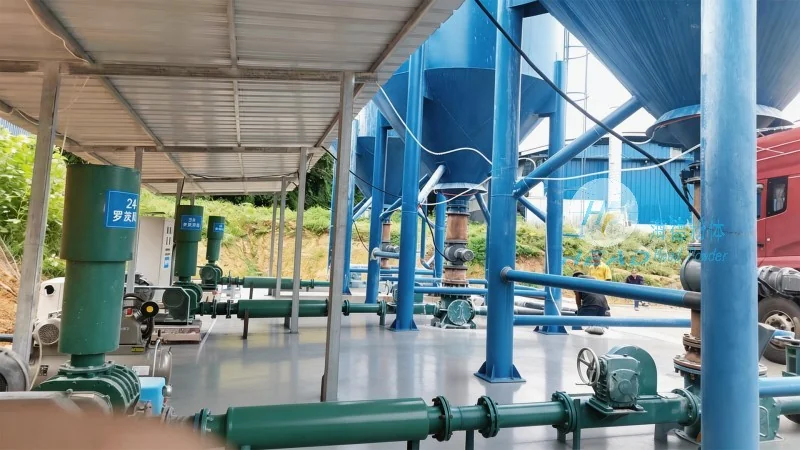
The ceramic material pneumatic conveying line typically consists of several core components that work in concert to achieve effective material transport. These include the material feed hopper, which stores and regulates the flow of ceramic powder; the air compressor or blower that generates the necessary air pressure; the conveying pipes that form the main transport pathway; and the control valves and sensors that monitor and adjust the system's performance. Each component is carefully selected and engineered to withstand the specific challenges posed by ceramic materials, such as high abrasiveness and potential moisture sensitivity.
Operation Process of the Pneumatic Conveying Line
The operation of a ceramic material pneumatic conveying line involves a series of sequential steps that ensure smooth and reliable material transport. The process begins with the material being fed from the hopper into the conveying line. As the air compressor starts, it generates a high-pressure air stream that is introduced into the system. The air stream then picks up the ceramic powder from the hopper and propels it through the pipes to the destination point, such as a storage silo or processing unit. The system may employ different conveying modes, including dilute phase (where particles are suspended in the air stream) or dense phase (where particles are carried in a slurry-like mixture), depending on the material characteristics and transport distance. The control system continuously monitors parameters like air pressure, flow rate, and material level, making real-time adjustments to maintain optimal performance and prevent blockages or system failures.
Working Principle of the Pneumatic Conveying System
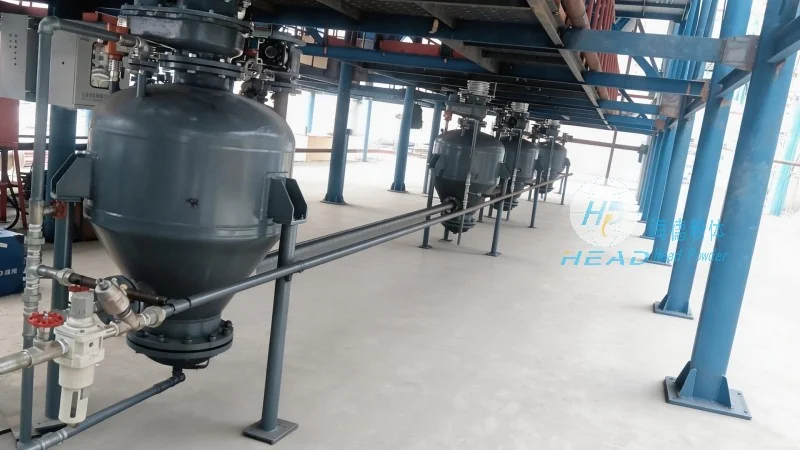
The working principle of the ceramic material pneumatic conveying line is based on the fundamental physics of fluid dynamics and particle transport. When compressed air is introduced into the conveying pipe, it creates a low-pressure zone that draws the ceramic powder into the air stream. The air velocity is carefully controlled to ensure that the particles are fully suspended and transported without settling or clogging the pipes. The system utilizes Bernoulli's principle, where the kinetic energy of the air stream is converted into the momentum needed to move the particles. Additionally, the design of the system, including the angle and curvature of the pipes, is optimized to minimize friction losses and maintain consistent air flow. The control valves and sensors play a crucial role in maintaining the balance between air pressure and material flow, ensuring that the system operates efficiently and safely.
Advantages of Ceramic Material Pneumatic Conveying Lines
Implementing a ceramic material pneumatic conveying line offers numerous advantages for industrial applications. Firstly, it provides a dust-free and hygienic environment, which is critical for maintaining product purity and compliance with regulatory standards. Unlike traditional mechanical conveying methods, which can generate significant dust and cause contamination, pneumatic systems keep the material enclosed and protected from external factors. Secondly, the system enables continuous and automated material transport, reducing labor costs and improving production efficiency. The automated control system minimizes human intervention, allowing for 24/7 operation with minimal downtime. Thirdly, the system is highly flexible and can be easily adapted to different production requirements, such as varying material flow rates or changing destination points. This adaptability makes it suitable for a wide range of ceramic applications, from raw material handling to finished product packaging. Finally, the use of advanced materials and engineering in the system ensures long-term durability and low maintenance costs, providing a reliable and cost-effective solution for ceramic material handling.
Applications in the Ceramic Industry
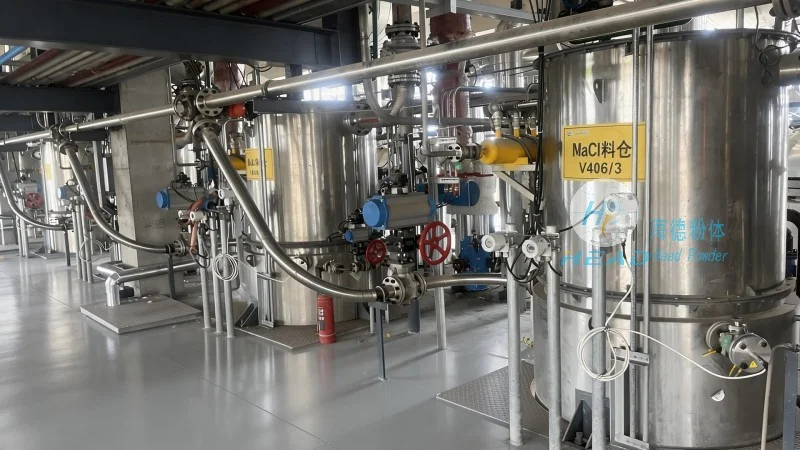
Ceramic material pneumatic conveying lines are widely used in various sectors of the ceramic industry, including raw material processing, glaze application, and finished product transport. In raw material processing, the system efficiently transports clay, feldspar, and other raw materials from storage silos to production lines, ensuring a consistent and uniform feed. This is particularly important in high-precision ceramic manufacturing, where material quality directly impacts the final product's properties. In glaze application, the pneumatic system can deliver glaze powders to spray booths or coating machines, providing a uniform and controlled application process. This enhances the surface finish and quality of ceramic products, such as tiles, sanitaryware, and tableware. Additionally, the system is used in the transport of finished ceramic products, such as ceramic tiles or sanitaryware, from production lines to storage or packaging areas. The continuous and automated nature of the system ensures that products are handled gently and efficiently, minimizing damage and maximizing throughput.
Installation and Maintenance Considerations
Proper installation and regular maintenance are essential for the optimal performance and longevity of a ceramic material pneumatic conveying line. During installation, the system must be carefully aligned and secured to prevent vibrations and misalignment, which can lead to wear and tear on components. The pipes should be properly supported and routed to minimize stress and ensure smooth material flow. The air compressor and other power components must be installed in a well-ventilated area to prevent overheating and ensure safe operation. Regular maintenance involves checking and replacing worn parts, such as seals and filters, and cleaning the system to remove accumulated dust and debris. The control system should be regularly calibrated to ensure accurate monitoring and adjustment of system parameters. Additionally, periodic inspections of the conveying pipes and hoppers are necessary to detect any signs of wear or damage, such as corrosion or abrasion, and to address them promptly. By following these maintenance practices, the system can operate efficiently for many years, providing reliable and cost-effective material transport for ceramic materials.




