Resin powder material pneumatic conveying lines are sophisticated industrial systems designed to transport fine resin powders efficiently and safely. These systems are widely used in various industries, including plastics manufacturing, chemical processing, and pharmaceuticals, due to their ability to handle delicate materials without degradation. The operation of such lines involves a combination of mechanical and pneumatic components that work in tandem to ensure smooth material transfer from the source to the destination.
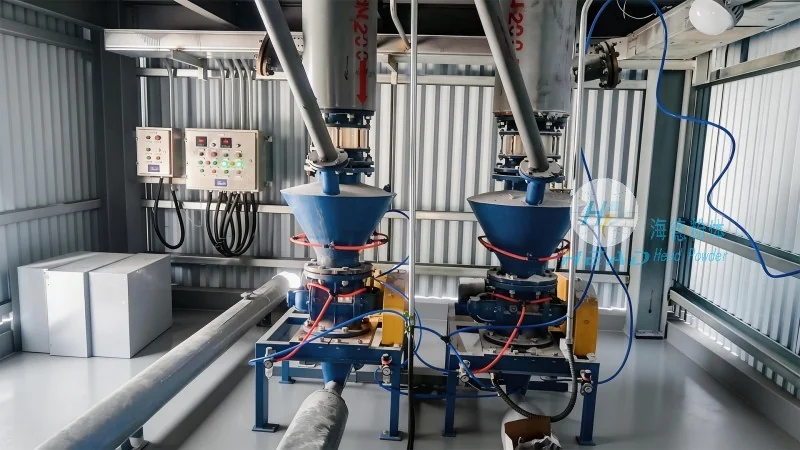
About HeadPowder: A Leading Provider of Pneumatic Conveying Solutions
HeadPowder, a prominent entity in the field of material handling, specializes in the design, manufacturing, and installation of high-quality pneumatic conveying systems. With its headquarters located in Shandong, China, HeadPowder has established itself as a reliable partner for businesses seeking efficient and reliable solutions for resin powder transportation. The company’s commitment to innovation and customer satisfaction has positioned it as a key player in the industry, delivering systems that meet the stringent requirements of modern manufacturing processes.
The Operation Process of Resin Powder Pneumatic Conveying Lines
The operation process of a resin powder pneumatic conveying line typically begins with the loading of the resin powder into a hopper or storage silo. From there, the material is drawn into the conveying system using a combination of vacuum or pressure, depending on the specific design. The system then uses a series of components, including a rotary valve, a filter, and a conveyor pipe, to transport the powder to the desired location. The process involves precise control of air flow and pressure to ensure consistent material delivery without clogging or degradation. Each step in the operation is carefully monitored to maintain optimal performance and prevent any issues that could affect the quality of the resin powder.
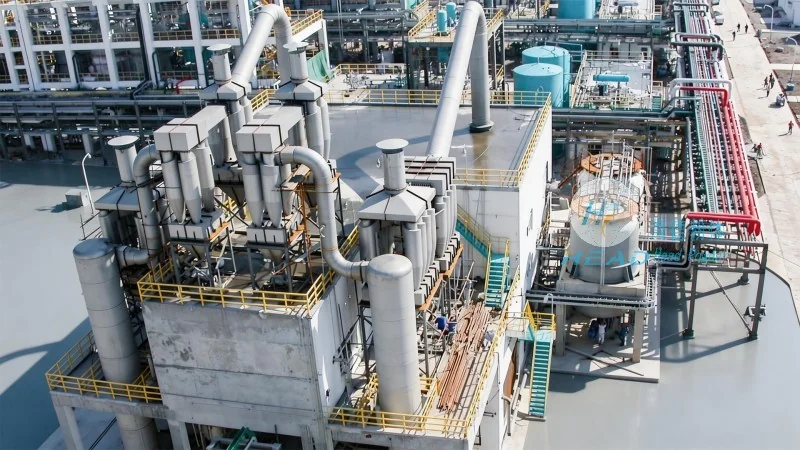
Working Principle of Resin Powder Pneumatic Conveying Lines
The working principle of resin powder pneumatic conveying lines is based on the fundamental concept of using air to move solid particles. In a typical system, air is introduced into the conveying line at a controlled pressure, creating a flow that carries the resin powder particles along the pipe. The system utilizes a combination of positive pressure (where air is forced into the line) and negative pressure (where air is drawn out) to achieve the desired material transport. The rotary valve at the inlet controls the flow of powder into the system, while the filter ensures that any fine particles or contaminants are removed before the air is recirculated. The conveyor pipe is designed with smooth surfaces and appropriate diameters to minimize friction and prevent material buildup, which is crucial for maintaining the efficiency and longevity of the system.
Key Components and Their Roles in Resin Powder Pneumatic Conveying Lines
Several critical components are integral to the effective operation of resin powder pneumatic conveying lines. The hopper or storage silo serves as the initial container for the resin powder, providing a consistent feed to the system. The rotary valve, often referred to as a feeder, regulates the flow of powder into the conveying line, ensuring a steady and controlled input. The filter is a vital component that removes any dust or fine particles from the air, preventing clogging and maintaining air quality. The conveyor pipe, typically made of stainless steel or other corrosion-resistant materials, is designed to withstand the abrasive nature of resin powders and maintain a smooth flow. Additionally, the system may include a receiver or discharge hopper at the end, which collects the transported powder and allows for further processing or storage. Each component plays a crucial role in the overall efficiency and reliability of the pneumatic conveying line.
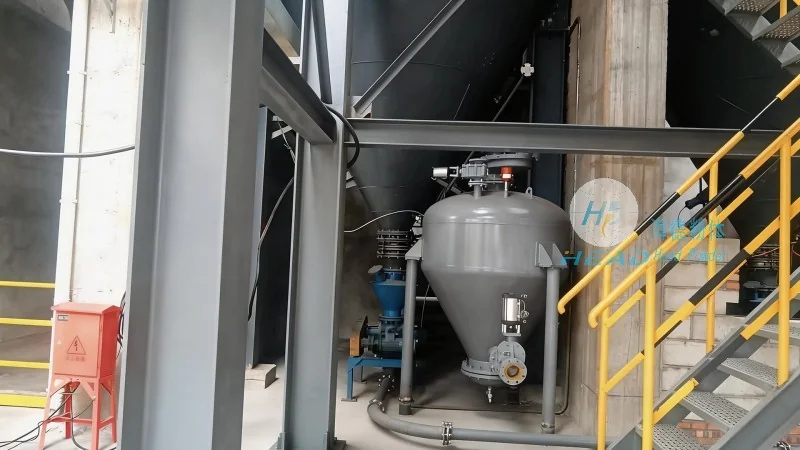
Advantages of Using Resin Powder Pneumatic Conveying Lines
Resin powder pneumatic conveying lines offer several advantages over traditional material handling methods. One of the primary benefits is the ability to transport materials in a closed system, which helps to prevent contamination and dust exposure. This is particularly important for resin powders, which can be sensitive to moisture and other environmental factors. The closed system also reduces the risk of material loss and improves overall safety in the workplace. Additionally, pneumatic conveying systems are highly flexible and can be easily integrated into existing manufacturing processes. They can be configured to handle various types of resin powders, including those with different particle sizes and moisture content. The systems are also energy-efficient, as they use less power compared to other material handling methods, such as belt conveyors or bucket elevators. Furthermore, the operation of pneumatic conveying lines is relatively simple and requires minimal maintenance, making them a cost-effective solution for businesses looking to improve their material handling capabilities.
Applications and Industries Utilizing Resin Powder Pneumatic Conveying Lines
Resin powder pneumatic conveying lines are used in a wide range of industries and applications. In the plastics manufacturing industry, these systems are commonly used to transport resin powders from storage to processing equipment, such as extruders and mixers. The ability to handle fine resin powders without degradation is crucial for maintaining the quality of the final plastic products. In the chemical processing industry, pneumatic conveying lines are used to transport various chemical powders, including those that are hazardous or sensitive to moisture. The closed system helps to prevent exposure to these materials and ensures a safe working environment. The pharmaceutical industry also utilizes pneumatic conveying systems to transport active ingredients and other powders, as the closed system helps to maintain the purity and sterility of the materials. Additionally, the food and beverage industry uses these systems to transport powdered ingredients, such as flavorings and colorings, ensuring that the materials are handled in a hygienic and safe manner. Overall, the versatility and efficiency of resin powder pneumatic conveying lines make them a preferred choice for businesses in various sectors.




