HeadPowder, a professional manufacturer based in Shandong, China, specializes in the design, production, and supply of advanced pneumatic conveying systems. With a strong focus on technological innovation and quality assurance, the company has established itself as a reliable partner in the field of material handling solutions.
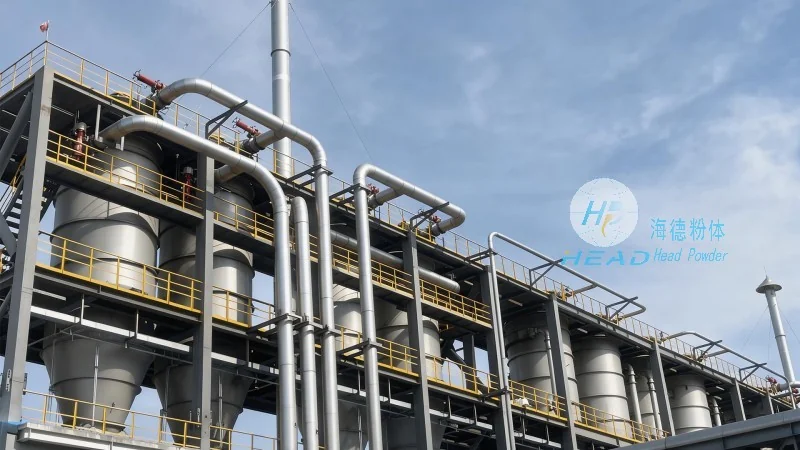
Pneumatic Conveying Equipment for Silicate Materials: An Overview
At HeadPowder, we develop and manufacture specialized pneumatic conveying equipment tailored for the efficient handling of silicate materials. These systems are engineered to meet the unique challenges associated with transporting powders and granules, ensuring optimal performance and reliability in industrial applications.
The Operation Process of Pneumatic Conveying Systems
The operation of a pneumatic conveying system for silicate materials typically involves several key steps. First, the material is fed into the system from a storage hopper or silo. Then, a fan or blower generates the necessary air pressure to create a flow of air through the conveying line. The material is then entrained by the air stream and transported to the destination point, such as a processing unit or storage container. Finally, the air and material are separated at the end of the line, with the material collected and the air either recirculated or discharged.
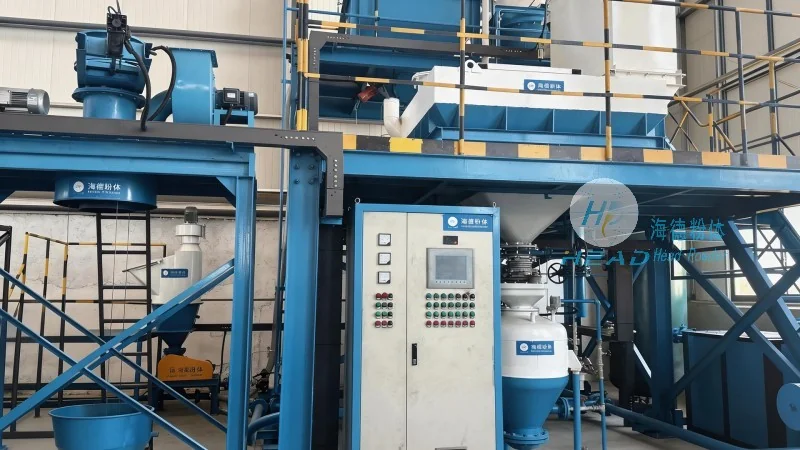
Working Principle of Pneumatic Conveying Equipment
The core principle behind pneumatic conveying is the use of air as a medium to transport solid materials. The system operates by creating a pressure differential between the inlet and outlet of the conveying line. This differential causes the air to flow through the system, carrying the silicate material along with it. The design of the equipment, including the type of blower, the diameter and length of the conveying line, and the placement of bends and valves, all contribute to the efficiency and effectiveness of the material transport. Proper selection of these components is crucial to ensure smooth operation and minimize energy consumption.
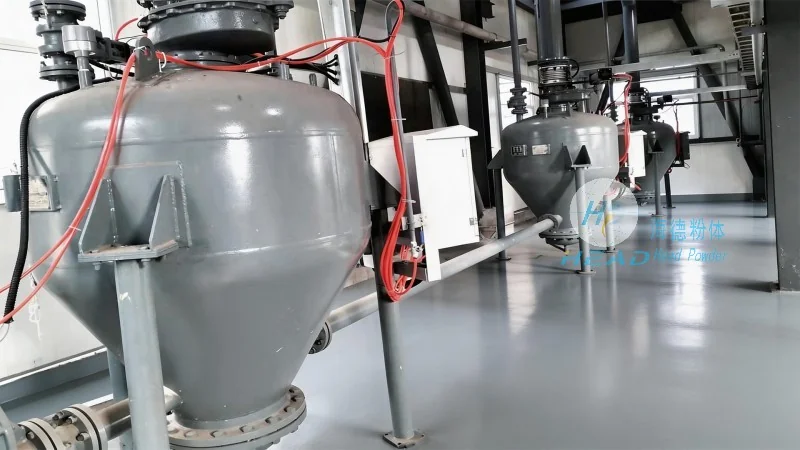
Advantages of Using Pneumatic Conveying Equipment for Silicate Materials
Employing pneumatic conveying equipment for silicate materials offers several advantages. Firstly, it provides a dust-free and hygienic method of material handling, which is particularly important in industries where contamination control is critical, such as food processing or pharmaceutical manufacturing. Secondly, these systems are highly flexible, allowing for the transport of materials over long distances and through complex layouts without the need for multiple transfer points. Thirdly, the equipment is relatively easy to install and maintain, reducing downtime and operational costs. Additionally, pneumatic conveying systems can handle a wide range of material types and sizes, making them versatile for various industrial applications.
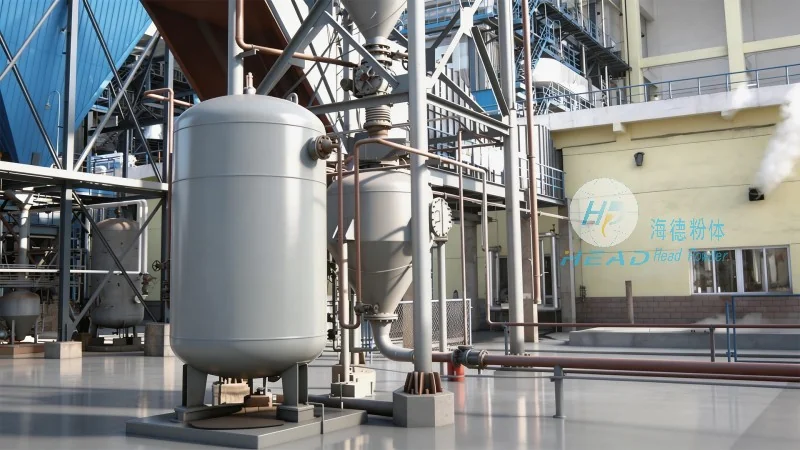
Applications in Industrial Settings
Pneumatic conveying equipment for silicate materials is widely used in various industrial sectors. In the construction industry, it is used to transport cement, sand, and other aggregates to construction sites. In the chemical industry, it is employed to handle powders like calcium carbonate and silica, which are essential raw materials for many products. The food industry also utilizes these systems for the transport of flour, sugar, and other food-grade powders, ensuring safety and hygiene. Furthermore, in the pharmaceutical industry, pneumatic conveying is used to handle active pharmaceutical ingredients (APIs) and other sensitive materials, maintaining the integrity and purity of the products.
Maintenance and Operational Considerations
To ensure the longevity and optimal performance of pneumatic conveying equipment for silicate materials, regular maintenance is essential. This includes checking the condition of the fan or blower, inspecting the conveying line for any blockages or wear, and cleaning the system to prevent the accumulation of material. Proper maintenance not only extends the lifespan of the equipment but also reduces the risk of operational failures and downtime. Additionally, operators should be trained on the proper operation of the system to ensure safe and efficient use. By following these guidelines, users can maximize the efficiency and reliability of their pneumatic conveying systems.




