Shandong HeadPowder Engineering Co., Ltd., a prominent enterprise in the pneumatic conveying industry, specializes in providing advanced solutions for handling carbon fiber materials. HeadPowder, as the company is commonly known, has developed a range of high-efficiency and reliable equipment designed to meet the unique demands of carbon fiber processing. This article delves into the operation process and working principle of their carbon fiber material pneumatic conveying systems, detailing key components, operational procedures, and the technical benefits that enhance performance and efficiency in industrial applications.
Key Components of the Pneumatic Conveying System
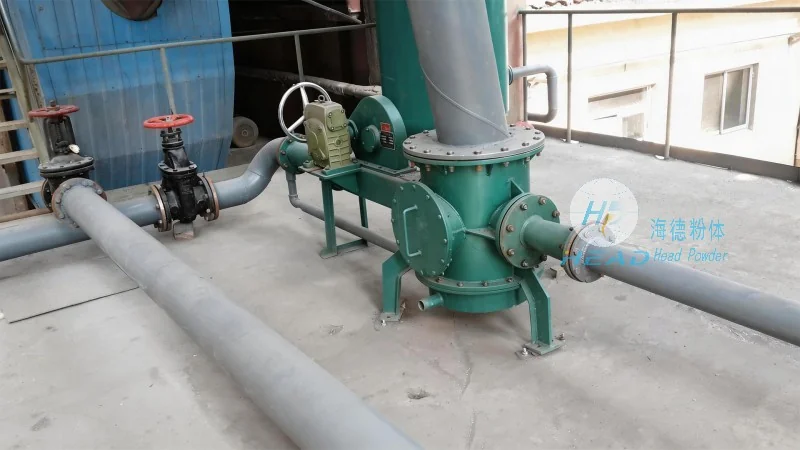
The carbon fiber material pneumatic conveying equipment from Shandong HeadPowder Engineering Co., Ltd. comprises several critical components that work in unison to ensure efficient material transport. The primary components include a hopper for material storage, a rotary valve or feeder to regulate the flow rate, a conveying line (typically constructed from stainless steel or other corrosion-resistant materials to withstand the abrasive nature of carbon fibers), a pressure vessel or receiver to collect the conveyed material, and a dust collection system to maintain air quality and comply with environmental regulations. Each component is engineered to endure the mechanical stress and chemical properties of carbon fiber particles, ensuring long-term durability and minimal maintenance requirements.
Working Principle of the Pneumatic Conveying Process
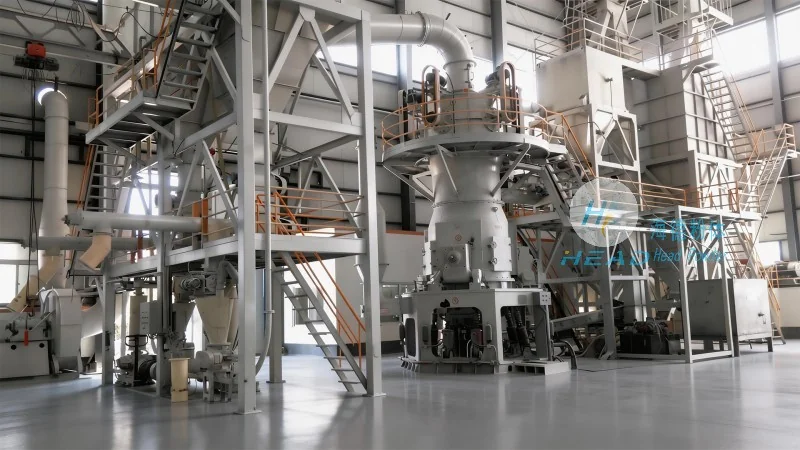
The operation of the carbon fiber material pneumatic conveying system is based on the principle of pneumatic transport, where material is conveyed through a pipeline using a stream of air or gas. The process initiates with the material being fed from the hopper into the conveying line via the rotary valve. As the material enters the line, a high-pressure air stream is introduced, creating a flow that lifts and propels the carbon fiber particles through the pipeline. The air velocity is meticulously controlled to maintain a stable flow, preventing material settling or blockages. The conveying line may incorporate bends, expansions, or other features to accommodate changes in direction or elevation, all designed to minimize pressure loss and ensure smooth material movement. At the receiving end, the material is deposited into the pressure vessel or receiver, where the air is filtered and either returned to the system or released, completing the cycle.
Operation Process: Step-by-Step Guide
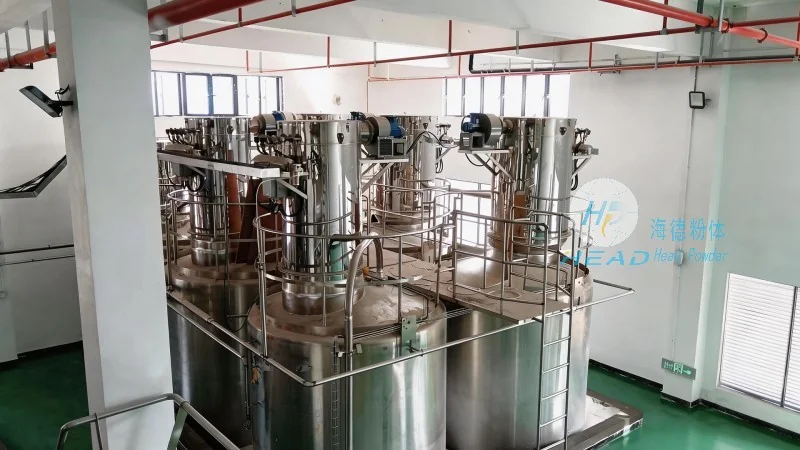
The operation of the carbon fiber material pneumatic conveying equipment follows a systematic process to ensure optimal performance and safety. First, the system is prepared by checking all components for proper alignment and functionality. The hopper is filled with the carbon fiber material, and the rotary valve is set to the desired flow rate. The air compressor or blower is then activated, generating the necessary pressure to initiate the conveying process. As the material is fed into the line, the pressure and flow rate are monitored continuously to maintain stable operation. The system may include sensors and control panels to adjust parameters in real-time, such as air pressure, flow rate, or material level. During operation, the dust collection system is active, capturing any airborne particles to prevent contamination and ensure compliance with environmental standards. The process continues until the hopper is empty or the required amount of material has been conveyed, after which the system is shut down and the equipment is cleaned as needed.
Technical Advantages and Applications
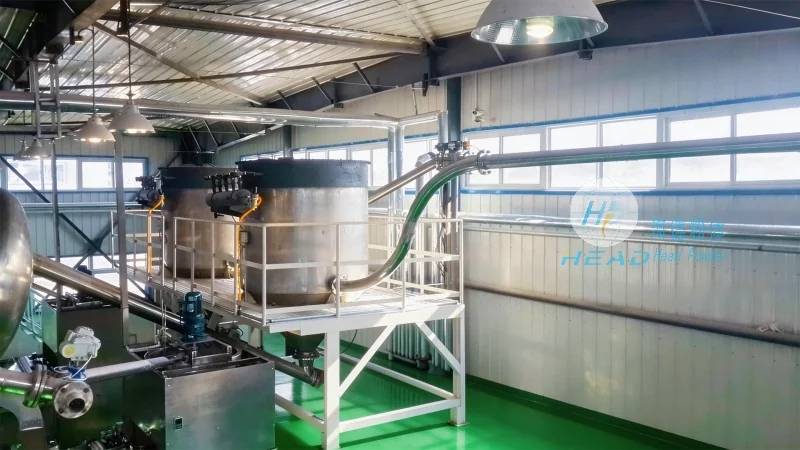
Shandong HeadPowder Engineering Co., Ltd.'s carbon fiber material pneumatic conveying systems offer several technical advantages that make them suitable for a wide range of industrial applications. The systems are designed to handle the high abrasiveness and low bulk density of carbon fiber materials, ensuring efficient transport with minimal wear on components. The use of corrosion-resistant materials and advanced sealing technologies reduces maintenance costs and extends the service life of the equipment. Additionally, the systems are highly flexible, allowing for integration with existing production lines and customization to meet specific customer requirements. These advantages make the equipment ideal for applications in aerospace, automotive, and sports equipment manufacturing, where high-quality carbon fiber components are critical. The reliable operation and low maintenance requirements of the systems also contribute to increased productivity and reduced downtime in industrial settings.




