Metallurgical coke, as a vital raw material in the iron and steel industry, demands efficient and reliable transportation solutions to support seamless production workflows. Pneumatic conveying machines, specifically engineered for handling metallurgical coke, have become indispensable in modern industrial operations. This article explores the operation process and working principle of such equipment, emphasizing its significance and technical intricacies.
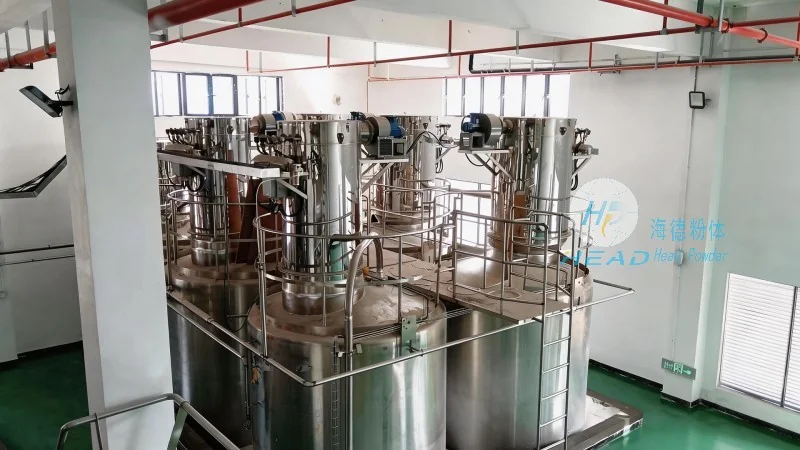
Overview of Pneumatic Conveying Systems for Metallurgical Coke
Pneumatic conveying systems leverage air or gas as the medium to transport bulk materials like metallurgical coke. These systems are favored for their ability to manage abrasive and dusty materials without mechanical components that may wear out rapidly. A typical system comprises a hopper for material storage, a blower or compressor to generate airflow, a pipeline network to direct the material, and a receiver or discharge point where the material is deposited. The system's design is customized to the specific attributes of metallurgical coke—including density, particle size, and moisture content—to optimize performance and minimize operational challenges.
Key Components and Their Functions
Each component in a pneumatic conveying machine serves a critical role in the overall operation. The hopper, often equipped with a feeder or gate valve, ensures a consistent flow of metallurgical coke into the system. The feeder regulates the material feed rate, preventing overloading or underfeeding that could disrupt the conveying process. The blower or compressor generates the necessary pressure or vacuum to move the material through the pipeline. The pipeline network, constructed from corrosion- and abrasion-resistant materials (such as stainless steel or specialized alloys), is designed to withstand mechanical stress and chemical exposure from metallurgical coke. The receiver or discharge point collects the material at the destination, often integrated with a dust collection system to meet environmental regulations.
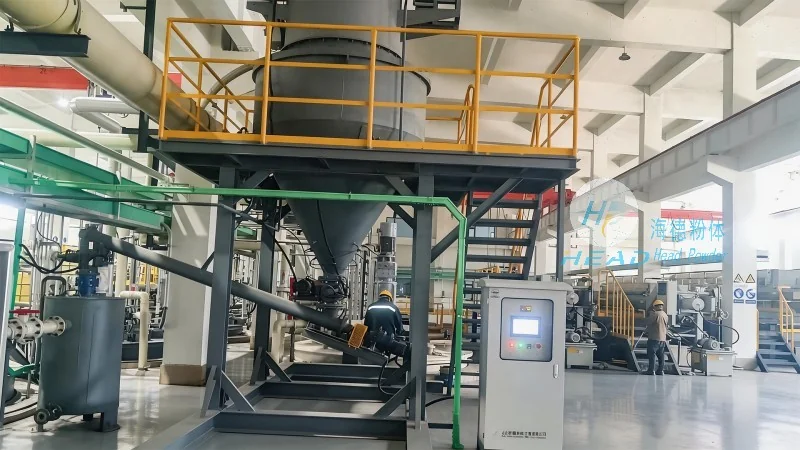
Operation Process of Metallurgical Coke Pneumatic Conveying
The operation process of a metallurgical coke pneumatic conveying machine involves sequential steps. First, metallurgical coke is loaded into the hopper from a storage silo or truck. The feeder then controls the flow of coke into the pipeline, ensuring a steady supply. The blower activates, creating a pressure differential that draws the coke particles into the pipeline alongside the air stream. As the material travels through the pipeline, it is carried by the airflow, which can be either positive pressure (where air pushes the material) or negative pressure (where air pulls the material). The pipeline's design—including bends, expansions, and contractions—is optimized to minimize pressure loss and prevent material deposition or blockages. Finally, the coke reaches the receiver or discharge point, where it is deposited into a storage bin or directly into a processing unit. The system may also include a cleaning cycle to remove residual material from the pipeline, ensuring continuous and efficient operation.
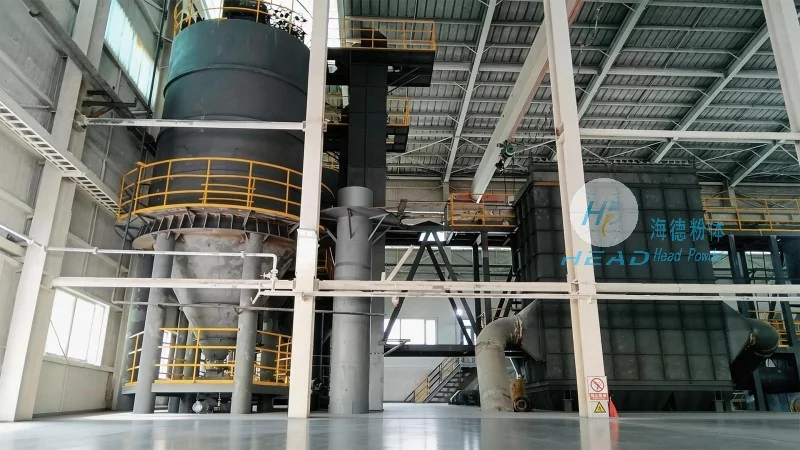
Working Principle of Pneumatic Conveying
The working principle of pneumatic conveying for metallurgical coke is based on the interaction between material particles and the air stream. In positive pressure systems, the blower supplies compressed air that pushes the material through the pipeline. The air velocity must be sufficient to overcome gravitational force and frictional resistance, ensuring particles remain suspended in the air. In negative pressure systems, the blower creates a vacuum that pulls the material from the hopper into the pipeline. The key to efficient conveying is maintaining the correct air-to-material ratio, balancing airflow needs without excessive energy waste. The system's performance is influenced by factors such as the material's bulk density, particle size distribution, and moisture content, as well as the pipeline's length, diameter, and configuration.
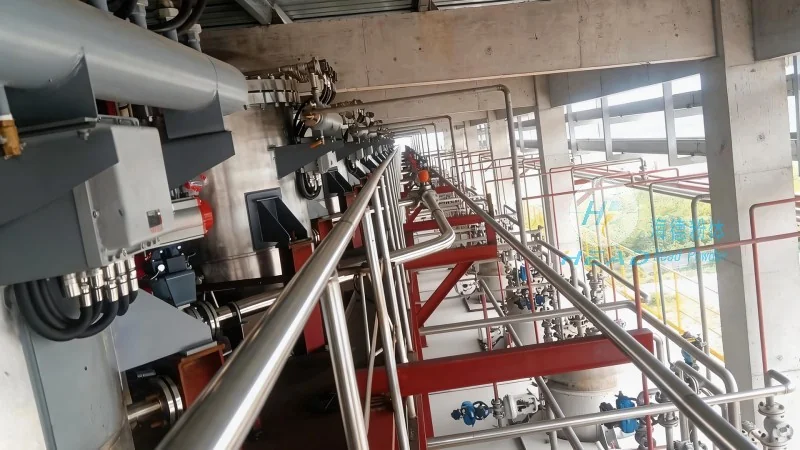
Advantages and Considerations for Metallurgical Coke Pneumatic Conveying
Pneumatic conveying systems for metallurgical coke offer advantages over traditional mechanical methods. These include reduced labor costs via automated operation with minimal human intervention, enhanced safety due to no moving parts in direct contact with material, and improved environmental control through dust collection and filtration systems. However, operational considerations are essential. For instance, abrasive metallurgical coke can cause wear on pipelines and components, requiring durable materials and regular maintenance. Additionally, energy consumption must be managed for cost-effectiveness, as pneumatic conveying is more energy-intensive than other methods.
Conclusion
Pneumatic conveying machines are critical for efficient handling of metallurgical coke in the iron and steel industry. Understanding the operation process and working principle enables manufacturers and operators to optimize performance, reduce costs, and comply with environmental regulations. As technology advances, further improvements in material handling efficiency and system reliability are anticipated, making pneumatic conveying an increasingly vital solution for metallurgical coke transportation. Shandong HeadPowder Engineering Co., Ltd., a leading provider in this field, offers advanced pneumatic conveying solutions tailored to metallurgical coke processing needs, ensuring reliable and efficient material transport for industrial applications.




