Hydroxide alumina, a key material in various industrial applications, requires efficient and reliable transportation methods to ensure smooth production processes. The pneumatic conveying system developed by Shandong HeadPowder Engineering Co., Ltd. offers an advanced solution for handling this material with precision and efficiency. This equipment is designed to meet the specific demands of alumina hydroxide processing, providing a robust and effective method for material transport.
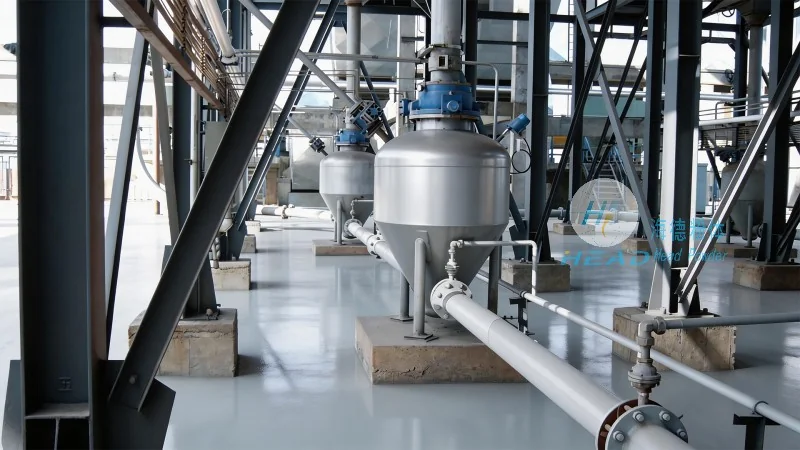
Key Components and Structure of the Pneumatic Conveyor
The pneumatic conveying machine for hydroxide alumina consists of several critical components that work in harmony to achieve optimal performance. The system typically includes a hopper for material storage, a rotary valve or feeder to control the flow rate, a conveying pipeline network, a pressure vessel or receiver, and a dust collection system. Each component is engineered to handle the unique properties of hydroxide alumina, such as its fine particle size and potential for static charge accumulation. The hopper is designed with a conical bottom to facilitate uniform material discharge, while the feeder ensures consistent and controlled feeding into the pipeline. The conveying pipeline is often made of corrosion-resistant materials like stainless steel to prevent material degradation and equipment wear. The pressure vessel or receiver is crucial for collecting the conveyed material and maintaining system pressure. The dust collection system, integrated into the design, helps maintain a clean and safe working environment by capturing any airborne particles.
Operation Process of the Pneumatic Conveying System
The operation of the hydroxide alumina pneumatic conveyor follows a systematic process that ensures efficient material transport from the source to the destination. The process begins with the loading of hydroxide alumina into the hopper. The rotary valve or feeder then regulates the material flow, releasing a controlled amount into the conveying pipeline. Compressed air, supplied by a dedicated air compressor, is introduced into the pipeline, creating a positive pressure that propels the material through the system. The air and material mixture travels through the pipeline network, which may include bends, expansions, or reductions to accommodate changes in direction or elevation. The material is then deposited into the pressure vessel or receiver at the discharge end. The system operates continuously, with the air compressor maintaining the necessary pressure to ensure consistent material flow. The control system monitors key parameters such as pressure, flow rate, and material level, allowing for real-time adjustments to optimize performance and prevent system failures.
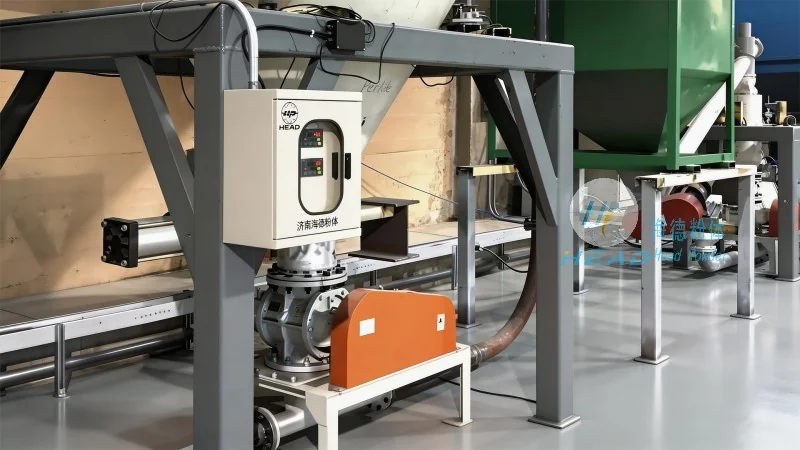
Working Principle: How the Pneumatic Conveyor Transports Hydroxide Alumina
The working principle of the hydroxide alumina pneumatic conveyor is based on the fundamental concept of pneumatic transport, where material is conveyed using a gas stream. In this system, compressed air is used as the conveying medium. The material is introduced into the pipeline as a suspension, with the air providing the necessary force to move the particles. The key to efficient transport lies in the balance between the air velocity and the material's particle size. If the air velocity is too low, the material may settle and cause blockages; if it is too high, excessive energy consumption and potential material degradation may occur. The system is designed to maintain an optimal air velocity that ensures the material remains in suspension without excessive wear. The conveying process is continuous, with the air compressor continuously supplying air to maintain system pressure. The pressure vessel or receiver collects the material, and the air is then filtered and recycled back into the system, reducing operational costs and environmental impact. This closed-loop system enhances efficiency and reduces the need for external air supply, making it a sustainable solution for hydroxide alumina transport.
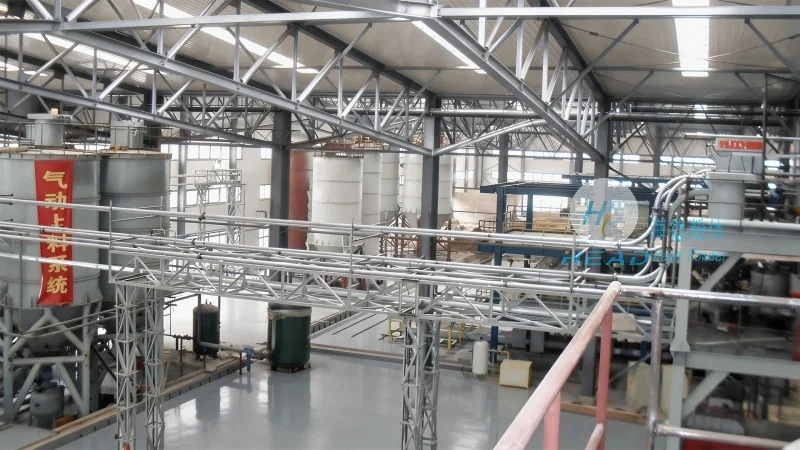
Advantages of Using Hydroxide Alumina Pneumatic Conveying Equipment
Implementing a pneumatic conveying system for hydroxide alumina offers several significant advantages over traditional methods like belt conveyors or bucket elevators. One of the primary benefits is the ability to transport material in a closed system, which minimizes dust emissions and improves workplace safety. The enclosed design also helps maintain material purity by preventing contamination from external sources. Additionally, the system is highly flexible, allowing for changes in material flow direction or destination without the need for extensive reconfiguration. The compact design of the equipment saves valuable floor space, making it suitable for facilities with limited room. The continuous operation of the system ensures a steady supply of material to downstream processes, reducing downtime and improving overall productivity. The low maintenance requirements of the pneumatic conveyor, particularly when using corrosion-resistant materials and robust components, contribute to long-term cost savings. Furthermore, the system's ability to handle fine particles and prevent material segregation makes it ideal for applications where material consistency is critical.
Applications and Industries Utilizing Hydroxide Alumina Pneumatic Conveyors
The hydroxide alumina pneumatic conveying equipment from Shandong HeadPowder Engineering Co., Ltd. is widely used in various industries that rely on alumina hydroxide as a raw material. In the aluminum industry, the material is used as an intermediate in the production of aluminum oxide, which is then converted into aluminum metal. The pneumatic conveyor ensures efficient transport of hydroxide alumina from storage to processing units, such as calciners or reactors. In the chemical industry, hydroxide alumina is used in the production of various aluminum-based compounds, including aluminum sulfate and aluminum chloride. The system facilitates the transport of these materials between production stages, ensuring consistent quality and reducing handling time. The pharmaceutical industry also utilizes hydroxide alumina in the formulation of certain medications, where the material's purity and consistency are paramount. The pneumatic conveyor helps maintain these standards by preventing contamination and ensuring uniform material distribution. Other industries, such as ceramics and cosmetics, also benefit from the efficient transport of hydroxide alumina, which is used as a raw material in the production of various products. The versatility of the system makes it suitable for a wide range of applications, making it a valuable asset for any facility handling hydroxide alumina.




