In the refractory materials industry, the efficient and safe handling of raw materials and finished products is essential for maintaining high production standards. Pneumatic conveying systems have emerged as a preferred method for transporting refractory materials due to their ability to handle various forms, including powders, granules, and bulk materials, with minimal human intervention. This article delves into the operation process and working principles of pneumatic conveying equipment specifically designed for refractory material applications, providing insights into how these systems enhance operational efficiency and product quality.
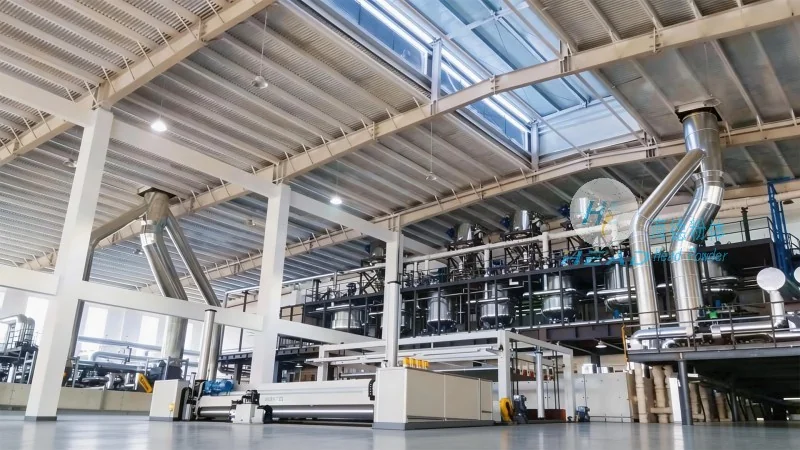
About HeadPowder Engineering Co., Ltd.
HeadPowder Engineering Co., Ltd., headquartered in Shandong, China, is a prominent manufacturer specializing in the development and production of advanced pneumatic conveying solutions. With a focus on innovation and customer-centric design, HeadPowder has built a reputation for delivering high-quality equipment that meets the stringent requirements of the refractory industry. The company’s state-of-the-art facilities and experienced engineering team ensure that each product is tailored to the unique needs of clients, whether for new installations or system upgrades. HeadPowder’s commitment to quality control and after-sales support has made it a trusted partner for businesses seeking reliable material handling solutions.
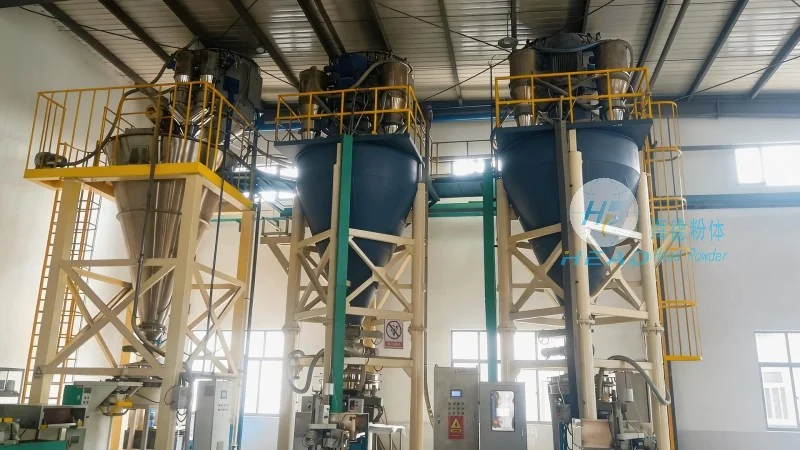
The Operation Process of Pneumatic Conveying Equipment
The operation of a refractory material pneumatic conveying system follows a systematic sequence of steps. Initially, the refractory material is fed into the hopper or storage silo, where it is stored under controlled conditions to prevent moisture absorption or degradation. From the hopper, the material is transferred to the feeder, which regulates the flow rate and ensures a consistent supply to the conveying system. The feeder may use a rotary valve or screw mechanism to control the material discharge, preventing clogging and maintaining a steady flow. Next, a high-pressure fan or blower generates the necessary air pressure, typically ranging from 0.5 to 2 bar, depending on the material and system design. The air is then directed into the pipeline, where it entrains the refractory material particles, creating a slurry-like flow. The material is transported through the pipeline to the discharge point, which may be a storage tank, mixer, or processing unit. The system includes a receiver or silo at the discharge end to collect the material, and an air filter to separate the material from the air stream. The filtered air is then either recycled back into the system or released into the environment, completing the cycle. Throughout the operation, the system’s pressure and flow rate are monitored and adjusted as needed to maintain optimal performance and prevent system failures.
Working Principle of the Equipment
The working principle of a pneumatic conveying system for refractory materials is based on the fundamental concept of using air as a conveying medium to transport solid particles. The system operates by creating a pressure differential between the inlet and outlet of the pipeline. When the fan or blower is activated, it draws air into the system and increases its pressure. This pressurized air then flows through the pipeline, creating a flow velocity sufficient to lift and transport the refractory material particles. The material is entrained by the air stream, and the combination of air and material forms a dense phase or dilute phase flow, depending on the system design and operating conditions. In dense phase conveying, the material is transported in a more concentrated form, reducing the risk of particle degradation and improving system efficiency. The pipeline design, including the diameter and length, is critical to ensuring that the air velocity remains above the material's terminal velocity, preventing deposition and blockages. The equipment is constructed from materials that are resistant to the corrosive and abrasive nature of refractory materials, such as stainless steel or special alloys, to ensure long-term durability and minimal maintenance.
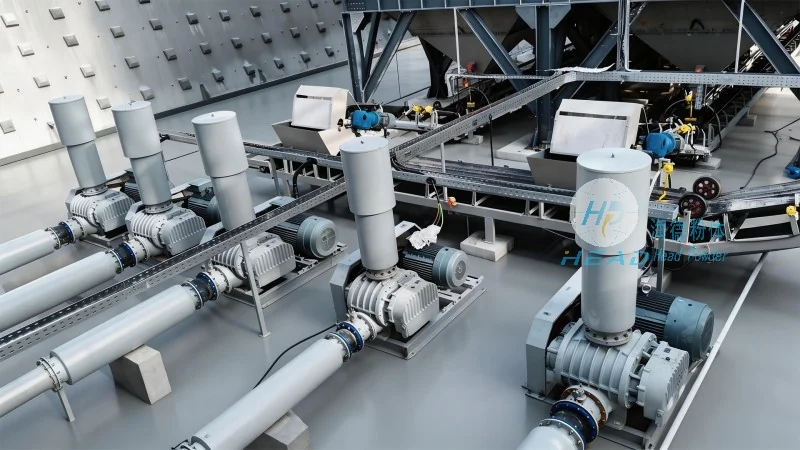
Key Features and Benefits
HeadPowder's pneumatic conveying equipment for refractory materials incorporates several key features that enhance its performance and reliability. The system is designed with a modular structure, allowing for easy installation and integration into existing production lines. The components, including the hopper, feeder, and fan, are manufactured to precise specifications, ensuring consistent operation and minimal downtime. The equipment is equipped with advanced control systems that monitor and adjust the air pressure, flow rate, and material feed rate in real-time, optimizing the conveying process and preventing overloading or underloading. This automation reduces the need for manual intervention and improves overall system efficiency. Additionally, the system is designed for low energy consumption, with energy-efficient fans and optimized pipeline designs that minimize power usage while maintaining high material throughput. The dust-free operation of the system improves workplace safety by reducing the risk of respiratory diseases and minimizing the need for additional dust control measures. The equipment also offers flexibility in material handling, allowing for the transport of various refractory materials, including high-temperature-resistant powders and granules, without the need for extensive modifications.




