For industries dealing with bulk powders, efficient material handling is crucial for maintaining productivity and ensuring safety. This article provides an introduction to automatic bulk bag unloading and pneumatic conveying systems, focusing on their structural design and operational principles. The system is designed to streamline the process of transferring bulk materials from large bags to processing equipment, enhancing operational efficiency and reducing manual labor. Developed by Shandong HeadPowder Engineering Co., Ltd., a leading provider in the field, these systems are engineered to meet the demanding requirements of modern industrial applications.
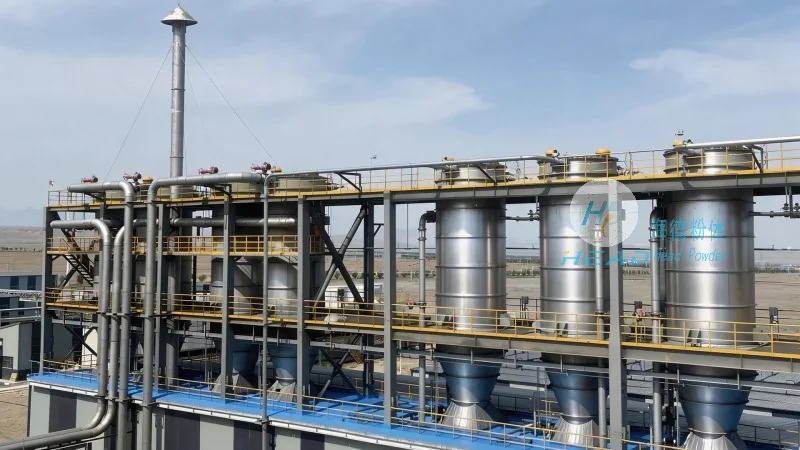
Overview of Automatic Bulk Bag Unloading Systems
Automatic bulk bag unloading systems are engineered to handle the safe and efficient removal of bulk materials from flexible containers, commonly known as super sacks or big bags. These systems are widely used in industries such as chemicals, food processing, pharmaceuticals, and mining, where large quantities of powders need to be transferred. The primary goal of these systems is to minimize dust exposure, prevent material contamination, and improve overall workflow by automating the unloading process. The design of these systems prioritizes safety and efficiency, making them essential for industries dealing with hazardous or sensitive materials.
Key Components of the Unloading Mechanism
The automatic bulk bag unloading system typically consists of several key components that work in tandem to achieve efficient material transfer. The main components include a bulk bag support frame, a discharge valve or spout, a dust collection system, and a material handling mechanism. The support frame securely holds the bulk bag in place, ensuring stability during the unloading process. The discharge valve, often a bottom spout or a valve at the bottom of the bag, allows controlled release of the material. The dust collection system, integrated into the design, captures airborne particles to maintain a clean and safe working environment. The material handling mechanism, which may include a conveyor or a pneumatic conveying unit, transports the material from the bag to the processing equipment. Each component is carefully engineered to ensure durability and reliability in demanding industrial environments.
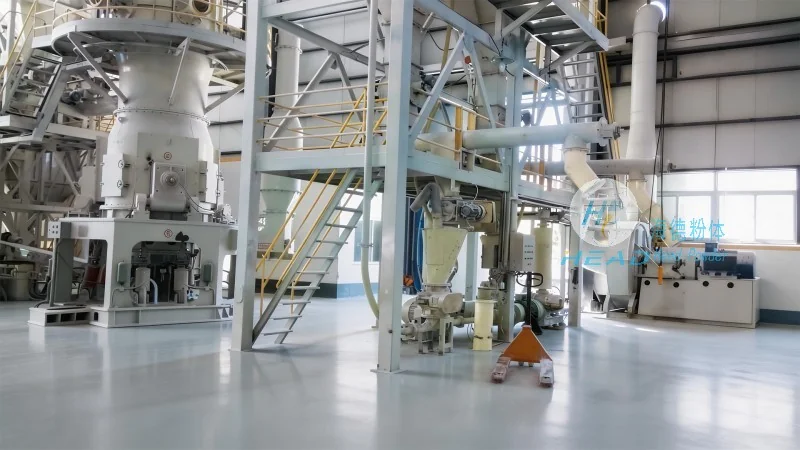
Pneumatic Conveying Systems: How They Work
Pneumatic conveying systems utilize air or gas to transport bulk materials from one location to another. These systems are categorized into two main types: dilute-phase and dense-phase conveying. Dilute-phase systems use high-velocity air to suspend particles and transport them through a pipeline, while dense-phase systems use lower air velocities to move material in a slurry-like state, reducing particle degradation and improving material integrity. The choice between these systems depends on the material properties, such as particle size, moisture content, and abrasiveness, as well as the distance and elevation changes required for material transport. The operational principles of pneumatic conveying are based on the physics of fluid dynamics, ensuring that the material is transferred smoothly and without blockages.
Structural Design and Operational Principles
The structural design of automatic bulk bag unloading and pneumatic conveying systems is optimized for durability, efficiency, and safety. The system is built with robust materials to withstand the mechanical stresses of handling bulk materials and the environmental conditions of industrial settings. The operational principles are based on the physics of fluid dynamics and material handling, ensuring that the material is transferred smoothly and without blockages. The integration of the unloading mechanism with the pneumatic conveying system allows for a seamless transfer of materials from the bulk bag to the processing line, minimizing downtime and maximizing throughput. The design also incorporates safety features such as dust suppression and material containment to protect workers and the environment.
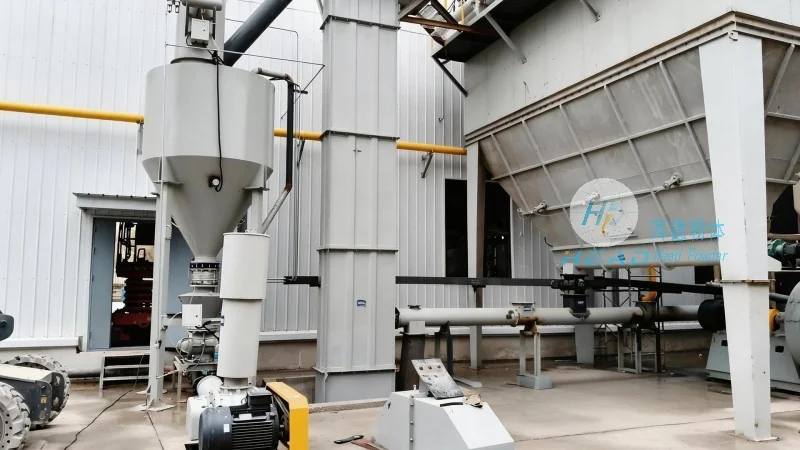
Benefits of Implementing These Systems
Adopting automatic bulk bag unloading and pneumatic conveying systems offers several significant benefits for industrial operations. Firstly, these systems enhance safety by reducing manual handling of heavy and potentially hazardous bulk bags. The automated process minimizes exposure to dust and reduces the risk of material spills or leaks. Secondly, they improve operational efficiency by automating the material transfer process, which reduces labor costs and increases production throughput. Thirdly, the systems help maintain material quality by preventing contamination and degradation during handling. Finally, the compact design of these systems allows for easy integration into existing production lines, making them a cost-effective solution for modern industrial needs. These benefits make the investment in such systems a strategic decision for industries looking to enhance their competitiveness and operational excellence.
Conclusion
Automatic bulk bag unloading and pneumatic conveying systems represent a sophisticated solution for efficient bulk material handling in various industrial applications. By understanding the structural components and operational principles of these systems, industries can make informed decisions about implementing such technology to enhance their operational efficiency and safety standards. The integration of advanced engineering and material handling techniques ensures that these systems provide reliable and effective solutions for transferring bulk powders, contributing to the overall productivity and success of industrial operations. As a leader in the field, Shandong HeadPowder Engineering Co., Ltd. continues to innovate and provide high-quality solutions that meet the evolving needs of industrial clients worldwide.




