Shandong HeadPowder Engineering Co., Ltd., commonly known as headpowder, is a specialized engineering firm based in Shandong, China. The company focuses on the design, manufacturing, and implementation of advanced pneumatic conveying systems, particularly for handling materials like asphalt powder. With a strong commitment to technical innovation and customer satisfaction, headpowder serves industries involved in road construction, paving, and related applications, providing reliable solutions for material transport and processing.
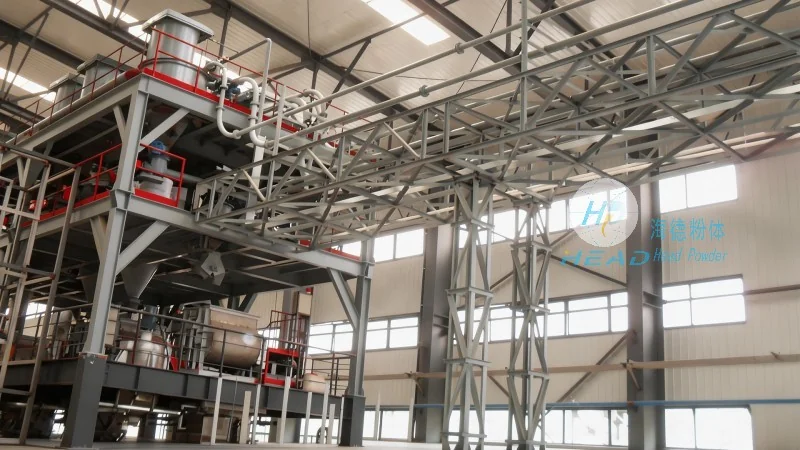
Introduction to Asphalt Powder Pneumatic Conveying Systems
Pneumatic conveying, or air-powered transport, is a method of moving bulk materials through a pipeline using compressed air. In the context of asphalt powder, this technology offers an efficient alternative to traditional mechanical conveying methods such as belt conveyors or screw conveyors. Asphalt powder, a fine particulate material used extensively in road construction and pavement maintenance, presents unique challenges when it comes to handling due to its dustiness and tendency to agglomerate. Pneumatic conveying systems address these challenges by utilizing a closed-loop system that minimizes dust exposure and ensures consistent material flow.
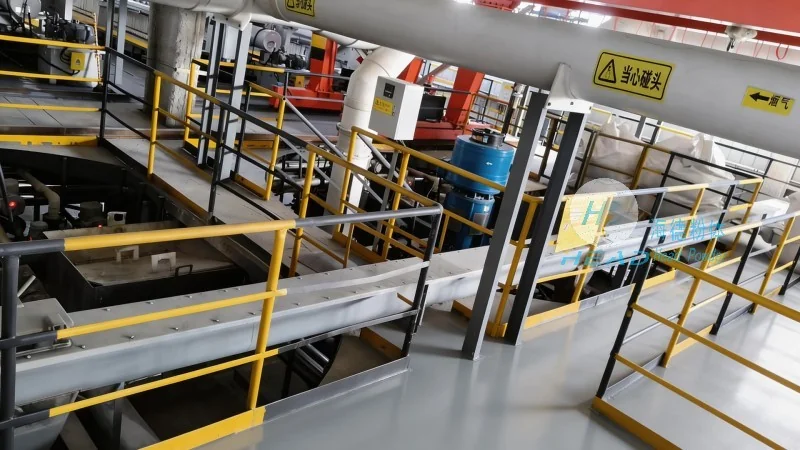
Structural Components and Operating Principles
The core components of an asphalt powder pneumatic conveying system include the material feeder, which introduces the powder into the system; the conveying pipeline, which transports the material; the air source, typically a blower or compressor that provides the necessary pressure; and the separation and collection equipment, which returns the material to a storage or processing unit. The operating principle involves feeding the asphalt powder into the feeder, which then releases it into the pipeline as the air flows through. The air velocity is carefully controlled to maintain a consistent suspension of the powder particles, preventing blockages and ensuring smooth transport. At the receiving end, the system uses cyclones or filters to separate the powder from the air, allowing the powder to be collected in a hopper or silo while the air is either recirculated or vented.
Key Advantages of Pneumatic Conveying for Asphalt Powder
Compared to traditional conveying methods, pneumatic systems offer several advantages for asphalt powder handling. Firstly, they provide a dust-free environment, which is crucial for maintaining workplace safety and compliance with environmental regulations. The enclosed system prevents dust from escaping into the air, reducing the risk of respiratory issues for workers and minimizing the need for additional dust control measures. Secondly, pneumatic conveying offers high flexibility in terms of system layout, as the pipeline can be easily routed around obstacles or integrated into existing facilities. This adaptability is particularly beneficial in construction sites where space is limited or where the material needs to be transported to multiple locations. Thirdly, the technology enables precise control over material flow rates, allowing for consistent dosing and mixing with other materials, such as aggregates or additives, which is essential for achieving uniform pavement quality. Additionally, the system can handle varying particle sizes and moisture content, making it suitable for a wide range of asphalt powder applications.
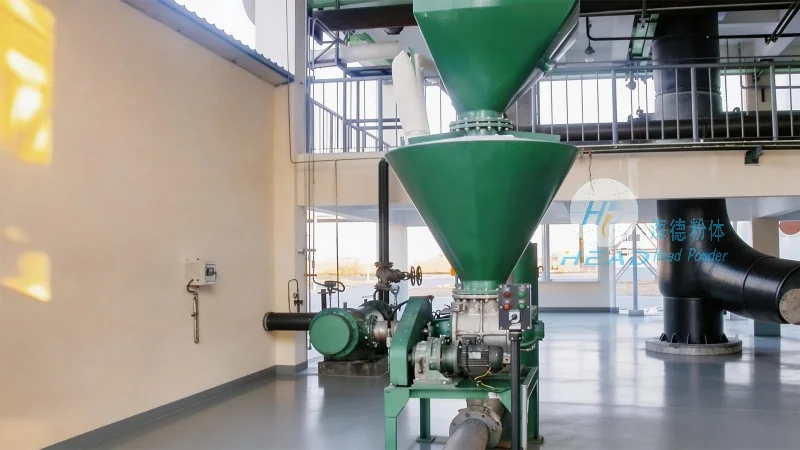
Technical Specifications and Application Considerations
When designing a pneumatic conveying system for asphalt powder, several technical specifications must be considered to ensure optimal performance. The system's capacity, measured in terms of material flow rate (e.g., tons per hour), is determined by the size of the feeder, the diameter of the pipeline, and the air pressure. The air pressure typically ranges from 5 to 15 bar, depending on the distance and height of the material transport. The pipeline diameter is usually selected based on the material's bulk density and the required air velocity to maintain particle suspension. For example, a 100 mm diameter pipeline may be suitable for transporting asphalt powder at a flow rate of 5 tons per hour with an air pressure of 8 bar. Additionally, the system must be equipped with proper filtration and cleaning mechanisms to prevent clogging and maintain efficiency over time. In terms of application, pneumatic conveying is commonly used in asphalt mixing plants, where it transports raw asphalt powder from storage silos to the mixing unit, and in road construction sites, where it delivers material to paving machines. The system's design must also account for the material's properties, such as its abrasiveness and potential for dust generation, to ensure the longevity of components like the blower and pipeline.




