For industrial applications involving the handling of copper oxide, efficient and reliable material transport is crucial. Pneumatic conveying systems offer a solution that minimizes contamination risks and ensures smooth operation. This article provides an overview of the structure and operating principles of copper oxide pneumatic conveying systems, highlighting key components and their functions.
Key Components of Copper Oxide Pneumatic Conveying Systems
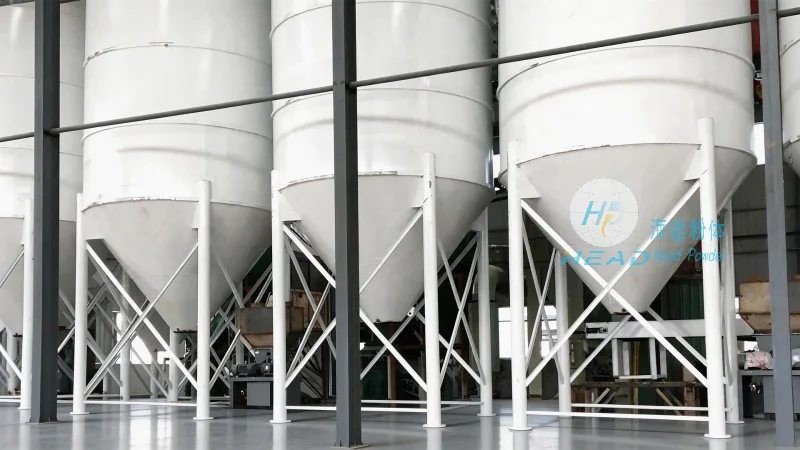
The core components of a copper oxide pneumatic conveying system are designed to handle the specific properties of copper oxide, such as its density, particle size, and potential reactivity. These components work in tandem to ensure the material is transported safely and effectively. The primary elements include the hopper, feeder, air compressor, pipeline system, and receiver.
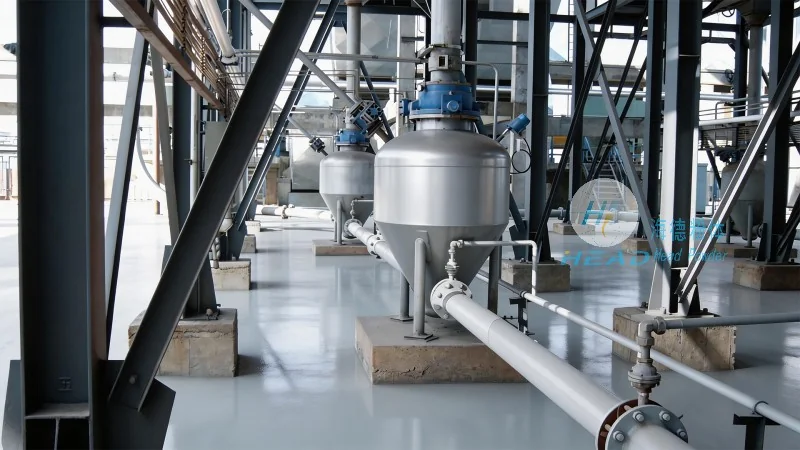
The hopper serves as the storage and feeding unit, where copper oxide is loaded before being introduced into the system. It is typically equipped with a discharge valve to control the flow rate. The feeder, often a rotary valve or a screw feeder, regulates the material feed rate, ensuring a consistent and controlled supply to the conveying line. The air compressor generates the necessary air pressure to move the material through the pipeline. The pipeline system consists of pipes with appropriate diameters and bends, designed to minimize pressure drop and maintain flow efficiency. The receiver is the final container where the conveyed copper oxide is deposited.
Operating Principle of Copper Oxide Pneumatic Conveying
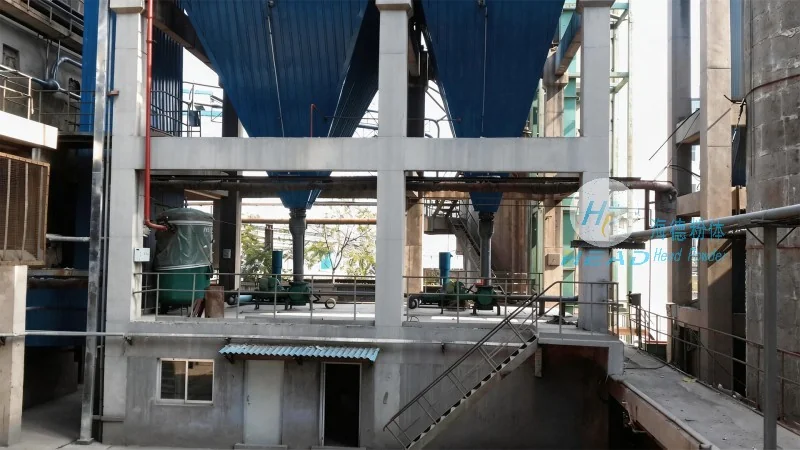
The operation of a copper oxide pneumatic conveying system is based on the principle of air flow. When the air compressor produces high-pressure air, it is introduced into the pipeline. The feeder then releases copper oxide particles into the air stream, creating a slurry of material and air. This mixture travels through the pipeline under pressure, with the air providing the necessary force to transport the particles. The receiver collects the material as the air pressure decreases and the material settles due to gravity.
Advantages of Using Pneumatic Conveying for Copper Oxide
Implementing a pneumatic conveying system for copper oxide offers several advantages over traditional methods like belt conveyors or bucket elevators. These benefits include reduced risk of material contamination, as the system is enclosed and prevents exposure to external elements. It also minimizes dust generation, which is critical for maintaining a safe working environment and complying with environmental regulations. Additionally, pneumatic conveying systems can handle materials with varying particle sizes and moisture content, making them versatile for different industrial applications.
Applications in Industrial Settings
Copper oxide is widely used in various industries, including electronics, ceramics, and chemical manufacturing. In these sectors, the ability to efficiently transport copper oxide is essential for production processes. Pneumatic conveying systems are particularly suitable for applications where material purity is paramount, such as in the production of electronic components or high-purity chemicals. The enclosed nature of the system ensures that the copper oxide remains uncontaminated, which is vital for maintaining product quality and meeting industry standards.
Maintenance and Operational Considerations
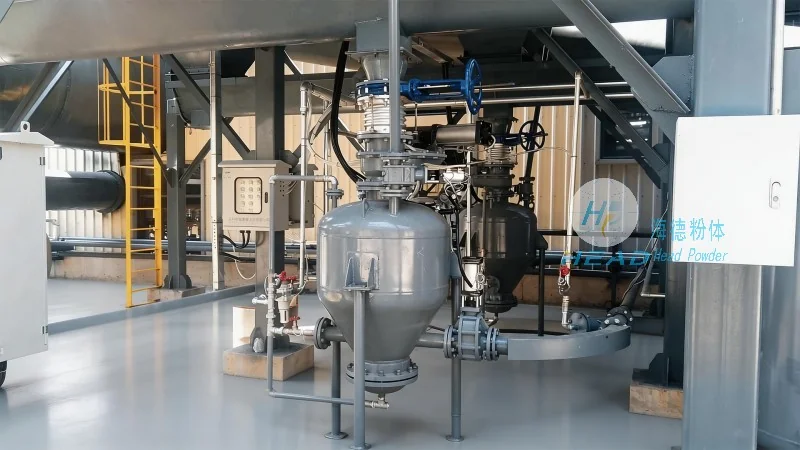
To ensure the longevity and efficiency of a copper oxide pneumatic conveying system, regular maintenance is necessary. This includes checking the air compressor for proper operation, inspecting the pipeline for blockages or wear, and cleaning the hopper and receiver to prevent material buildup. Proper maintenance helps to minimize downtime and maintain consistent performance. Additionally, operators should monitor the system's pressure and flow rates to detect any issues early and address them promptly. By adhering to these operational considerations, the system can operate at optimal levels, ensuring reliable material transport.
Conclusion
Copper oxide pneumatic conveying systems provide an effective and efficient solution for handling copper oxide in industrial applications. By understanding the structure and operating principles of these systems, industries can make informed decisions about implementing such technology. The advantages of reduced contamination, minimized dust, and versatility make pneumatic conveying a preferred choice for many applications. With proper maintenance and operational management, these systems can deliver reliable performance, supporting the smooth operation of production processes.




