Calcined gypsum, a vital industrial material, often requires efficient and reliable transportation for processing and distribution. Pneumatic conveying systems have become a preferred solution due to their ability to transport bulk materials in a dust-free and controlled manner. This article provides an overview of calcined gypsum pneumatic conveying systems, focusing on their structural components and operational principles.
Overview of Calcined Gypsum Pneumatic Conveying
Calcined gypsum, also known as plaster of Paris, is produced by heating gypsum to high temperatures, which alters its chemical structure and makes it suitable for applications such as construction materials, medical products, and industrial chemicals. Handling calcined gypsum demands specialized equipment to ensure safe and efficient movement from storage to processing units. Pneumatic conveying systems offer a solution by using air pressure to transport the material through a network of pipes, eliminating the need for mechanical components that could cause contamination or damage to the product.
Key Structural Components of Pneumatic Conveying Systems
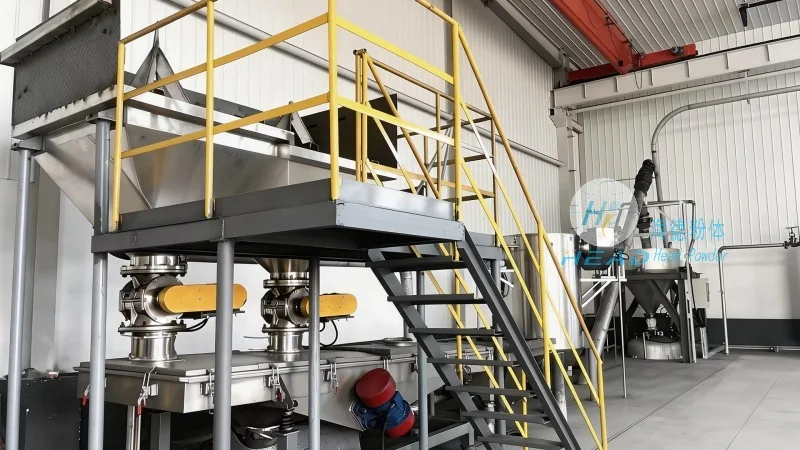
The calcined gypsum pneumatic conveying system consists of several critical components that work in tandem to ensure smooth operation. The primary components include a material hopper or feeder, a positive displacement or centrifugal blower (air mover), a conveying pipeline network, a dust collection or separation system, and a discharge outlet. Each component plays a vital role in the overall functionality of the system.
Material Hopper and Feeder
The material hopper is the initial storage and feeding unit where calcined gypsum is loaded before being conveyed. It is designed to maintain a consistent material level and prevent blockages. The feeder, typically a rotary valve or a screw conveyor, regulates the flow of gypsum into the conveying pipeline. This component ensures a steady supply of material, which is crucial for maintaining the system's efficiency and preventing air leaks or pressure drops.
Air Mover (Blower)
The air mover, or blower, is the heart of the pneumatic conveying system. It generates the necessary air pressure and flow rate to transport the calcined gypsum particles through the pipeline. Positive displacement blowers, such as rotary lobe or roots blowers, are commonly used for this application due to their ability to provide high pressure and consistent airflow. The blower's capacity is matched to the system's requirements based on the material's properties, pipeline length, and number of turns, ensuring optimal performance.
Conveying Pipeline Network
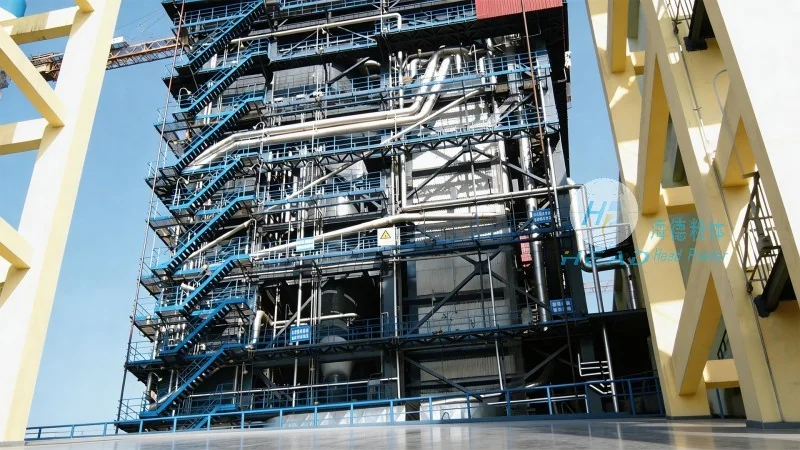
The conveying pipeline is a network of pipes that connects the hopper, blower, and discharge point. The design of the pipeline, including the material (usually stainless steel or galvanized steel), diameter, and length, is critical for minimizing pressure losses and ensuring efficient material transport. The pipeline may include bends, elbows, and straight sections, with each component carefully engineered to maintain the air flow and prevent material deposition or blockages. The system may also incorporate pressure relief valves and flow meters to monitor and control the conveying process.
Dust Collection and Separation System
As calcined gypsum is a fine powder, it can generate significant dust during the conveying process. The dust collection system, typically a cyclone separator or a baghouse filter, is essential to capture and remove the fine particles from the air stream. This not only improves air quality but also prevents the accumulation of dust in the system, which could lead to blockages or equipment damage. The separated gypsum is then returned to the hopper or processed further, ensuring minimal material loss.
Discharge Outlet and Control System
The discharge outlet is the final point where the calcined gypsum is released from the conveying system, typically into a processing unit or storage bin. The outlet is designed to handle the material flow and prevent backflow or pressure buildup. The control system, which includes sensors, valves, and a control panel, monitors the system's performance and adjusts parameters such as air pressure, material flow rate, and blower speed as needed. This ensures the system operates within optimal parameters, maximizing efficiency and minimizing energy consumption.
Operational Principles of Calcined Gypsum Pneumatic Conveying
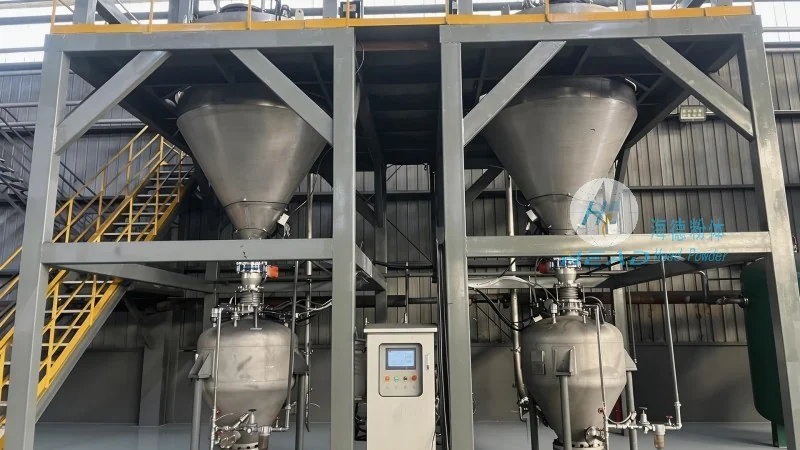
The operational principle of a calcined gypsum pneumatic conveying system is based on the use of air pressure to move the material particles. When the blower operates, it creates a low-pressure zone at the inlet of the conveying pipeline, which draws the calcined gypsum from the hopper into the pipeline. The air and material mixture travels through the pipeline, with the air providing the necessary force to overcome the gravitational and frictional forces acting on the particles. At the discharge point, the air and material are separated, with the air being recirculated or vented, and the material being collected for further use.
Advantages of Using Pneumatic Conveying for Calcined Gypsum
Pneumatic conveying systems offer several advantages when used for calcined gypsum transportation. These include the ability to transport the material in a dust-free environment, which reduces health risks and contamination. The system is also flexible, allowing for changes in the conveying route or capacity without major modifications. Additionally, pneumatic conveying can handle a wide range of material properties, including different particle sizes and moisture content, making it suitable for various applications. The system is also relatively compact compared to other bulk material handling methods, saving space in industrial facilities.
Applications of Calcined Gypsum Pneumatic Conveying
The calcined gypsum pneumatic conveying system is widely used in various industries that utilize calcined gypsum as a raw material. In the construction industry, it is used to transport gypsum for the production of drywall, plaster, and other building materials. In the medical industry, it is used for the manufacturing of medical plasters and bandages. The system is also used in the chemical industry for the production of gypsum-based products and in the agricultural industry for soil amendment applications. The versatility of the system makes it suitable for a wide range of applications, ensuring efficient material handling across different sectors.
Conclusion
Calcined gypsum pneumatic conveying systems provide an efficient and reliable method for transporting calcined gypsum in industrial applications. The system's structural components, including the material hopper, air mover, conveying pipeline, dust collection system, and discharge outlet, work together to ensure smooth and controlled material transport. The operational principles of the system, based on air pressure and particle movement, allow for the safe and effective handling of the material. With its advantages in dust control, flexibility, and efficiency, the pneumatic conveying system is a preferred choice for many industries that require the transportation of calcined gypsum. As a leading provider in this field, Shandong HeadPowder Engineering Co., Ltd. specializes in designing and manufacturing customized pneumatic conveying systems tailored to the specific needs of calcined gypsum handling, ensuring optimal performance and reliability for their clients.




