Glass fiber pneumatic conveying systems represent a sophisticated technology in material handling, designed to transport fine powders and granules efficiently through an air-driven process. This method offers numerous advantages over traditional mechanical conveying, including reduced equipment wear, improved product quality, and enhanced safety in handling delicate materials like glass fibers. The core of such systems lies in their ability to combine the principles of fluid dynamics with specialized material handling components, ensuring reliable and consistent operation across various industrial applications.
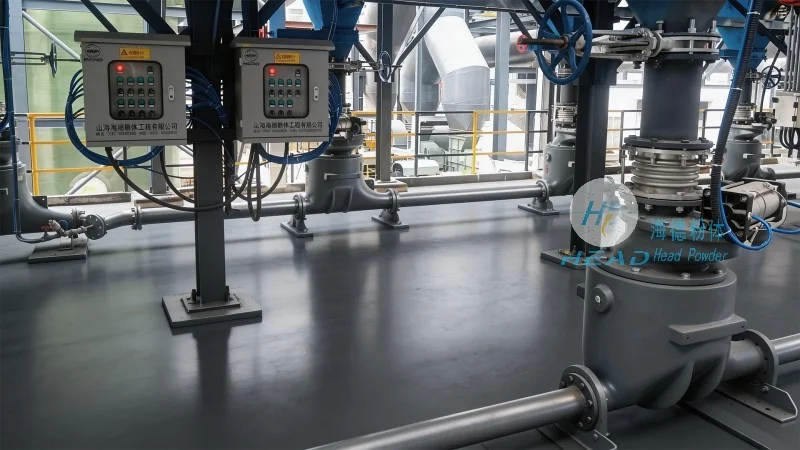
Company Profile: Shandong HeadPowder Engineering Co., Ltd.
HeadPowder, a leading manufacturer in the field of pneumatic conveying solutions, specializes in developing and supplying advanced glass fiber conveying systems. With a strong presence in Shandong, China, the company leverages decades of industry experience to deliver high-performance equipment tailored to meet the specific needs of clients in diverse sectors. The company’s commitment to innovation and quality has established it as a trusted partner for businesses seeking reliable material handling solutions.
Basic Structure and Working Principle of Glass Fiber Pneumatic Conveying
The fundamental structure of a glass fiber pneumatic conveying system typically consists of several key components, including a hopper for material storage, a conveying line (often equipped with flexible or rigid tubing), a venturi or eductor for air induction, and a filter or cyclone for particle separation. The working principle revolves around the creation of a low-pressure zone within the conveying line, which draws material from the hopper into the system. As air flows through the venturi, it entrains the glass fibers, forming a slurry that is then transported to the destination point. At the receiving end, the air is separated from the material, often through a cyclone or bag filter, allowing the glass fibers to be collected in a clean and controlled manner.
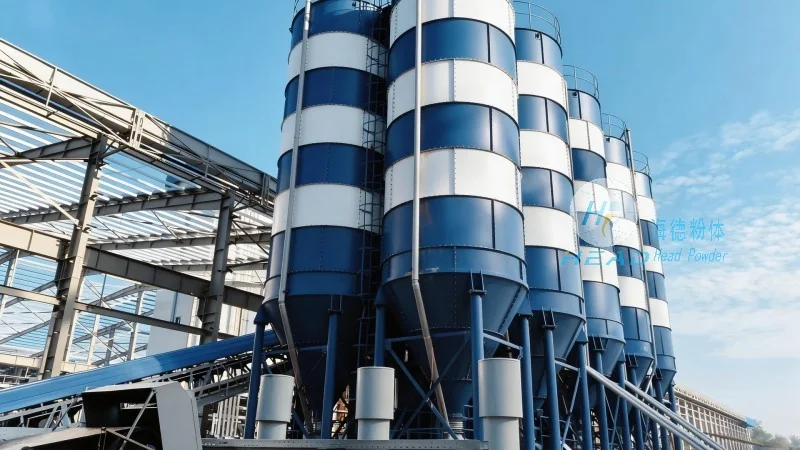
Key Advantages of Glass Fiber Pneumatic Conveying Systems
One of the primary benefits of using glass fiber pneumatic conveying is the reduction in product contamination and degradation. Unlike mechanical systems that may cause friction and particle breakage, pneumatic transport minimizes these risks, preserving the integrity of the glass fibers. Additionally, the system’s ability to handle fine powders without clogging or blockages makes it ideal for applications where material flow consistency is critical. The enclosed nature of the system also enhances safety by preventing dust emissions and ensuring a clean working environment. Furthermore, the flexibility of pneumatic conveying allows for easy integration with existing production lines and the ability to transport materials over long distances with minimal energy consumption.
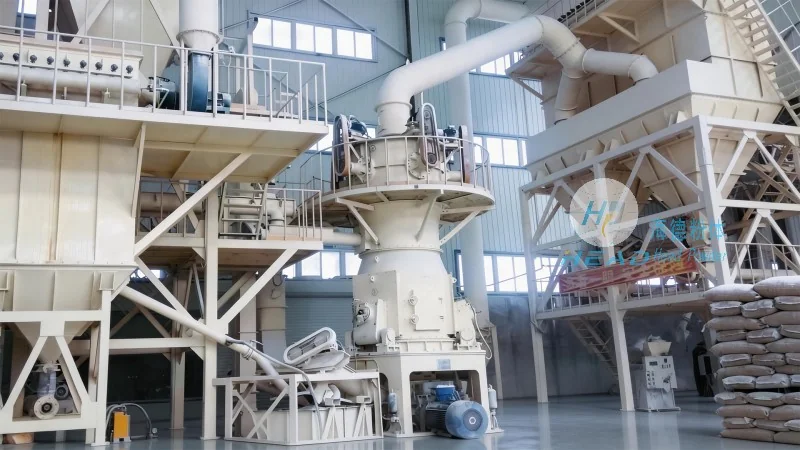
Applications in Industrial Settings
Glass fiber pneumatic conveying systems are widely utilized in various industrial sectors, including the manufacturing of composites, insulation materials, and electronic components. In the composite industry, these systems efficiently transport glass fibers to mixing and molding processes, ensuring uniform distribution and high-quality end products. For insulation applications, the ability to handle fine glass fibers without damage is crucial, as it maintains the thermal and acoustic properties of the final product. The systems also play a vital role in the electronics industry, where clean and dust-free handling of glass fibers is essential to prevent contamination in sensitive manufacturing processes. By providing a reliable and efficient means of material transport, these systems contribute to increased productivity and reduced operational costs in industrial settings.
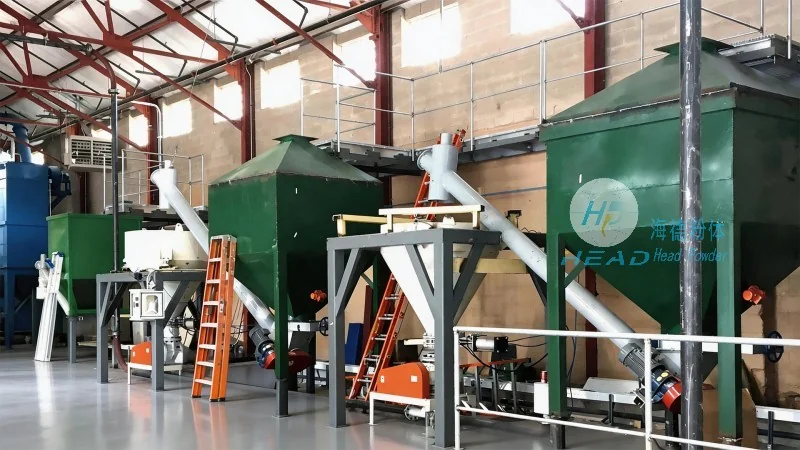
Maintenance and Operational Considerations
Proper maintenance of glass fiber pneumatic conveying systems is essential to ensure long-term performance and reliability. Regular cleaning of the filter and cyclone components is necessary to prevent clogging and maintain air flow efficiency. The conveying line and venturi should also be inspected periodically for signs of wear or damage, as these components are critical to the system’s operation. Additionally, monitoring air pressure and flow rates helps in identifying potential issues early, allowing for timely adjustments or repairs. Proper training of operators on the system’s operation and maintenance procedures is also crucial to prevent accidents and ensure optimal performance. By adhering to these maintenance practices, users can maximize the lifespan of their equipment and minimize downtime, thereby enhancing overall operational efficiency.
Conclusion
Glass fiber pneumatic conveying systems represent a highly effective solution for the efficient and safe handling of glass fibers in industrial applications. With their advanced structure and working principles, these systems offer numerous advantages over traditional material handling methods, including reduced product degradation, improved safety, and enhanced operational efficiency. As a leading provider in this field, Shandong HeadPowder Engineering Co., Ltd. continues to innovate and develop cutting-edge solutions that meet the evolving needs of the industry. By leveraging the expertise and experience of the company, businesses can achieve reliable and cost-effective material transport, contributing to their overall success in the competitive industrial landscape.




