Gas-solid pneumatic conveying systems are essential for the efficient handling and transportation of calcium carbide dust, a byproduct commonly encountered in industrial processes. This technology offers a reliable solution for managing dust removal and material transport, ensuring safety and operational efficiency in production environments. The following sections provide an overview of the system's structure and operational principles, tailored for applications involving calcium carbide dust.
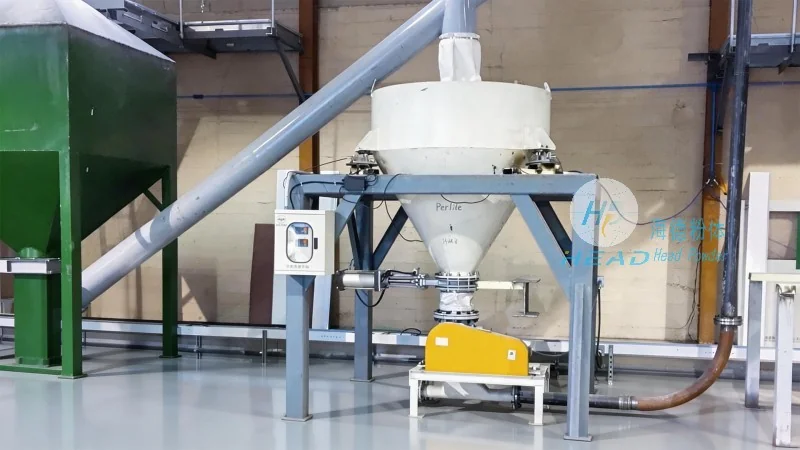
Company Profile: HeadPowder Engineering
HeadPowder Engineering, a leading provider in the field, specializes in the design, manufacturing, and implementation of advanced dust handling solutions. With a strong presence in Shandong, China, the company has established itself as a trusted partner for industries requiring robust and efficient pneumatic conveying systems. The company's expertise lies in understanding the unique challenges posed by calcium carbide dust, enabling the development of tailored solutions that meet specific operational requirements.
Understanding Calcium Carbide Dust and Its Handling Challenges
Calcium carbide dust is a fine particulate material generated during the production and processing of calcium carbide. Due to its chemical properties and particle size, this dust poses challenges in terms of dust control, material transport, and environmental compliance. Traditional methods of dust handling often involve complex and labor-intensive processes, leading to inefficiencies and increased operational costs. Gas-solid pneumatic conveying addresses these challenges by utilizing air as the conveying medium, allowing for the safe and effective transport of dust over long distances without the need for mechanical components that may cause wear or blockages.
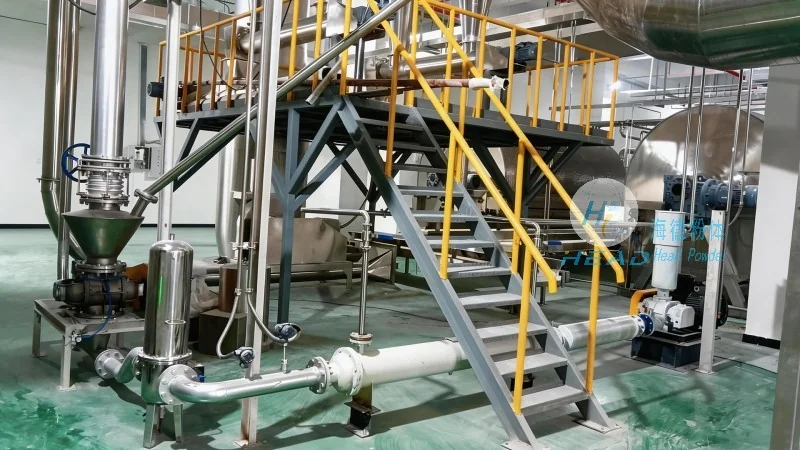
Structural Components of Gas-Solid Pneumatic Conveying Systems
The core components of a gas-solid pneumatic conveying system for calcium carbide dust include the dust collection unit, air compressor, conveying pipeline, and material discharge device. Each component plays a critical role in the overall system performance. The dust collection unit, typically an electrostatic precipitator or bag filter, captures the calcium carbide dust from the production process, ensuring that the air is cleaned before being reintroduced into the system or released into the environment. The air compressor provides the necessary pressure and volume of air to move the dust particles through the pipeline. The conveying pipeline is designed with smooth, corrosion-resistant materials to prevent dust accumulation and ensure consistent flow. The material discharge device, such as a rotary valve or screw conveyor, controls the release of the dust at the destination point, preventing backflow and maintaining system integrity.
Operational Principles and Efficiency Considerations
The operational principle of gas-solid pneumatic conveying involves creating a high-velocity air stream that entrains the dust particles, carrying them through the pipeline to the discharge point. The velocity of the air stream is a critical factor, as it must be sufficient to overcome the gravitational forces acting on the dust particles while maintaining energy efficiency. The system's efficiency is influenced by several factors, including the air pressure, particle size distribution, and the length and diameter of the conveying pipeline. Proper design and maintenance of the system components are essential to ensure optimal performance and minimize energy consumption. For calcium carbide dust, which is typically fine and abrasive, the system must be designed to handle these characteristics without causing excessive wear or system failure.
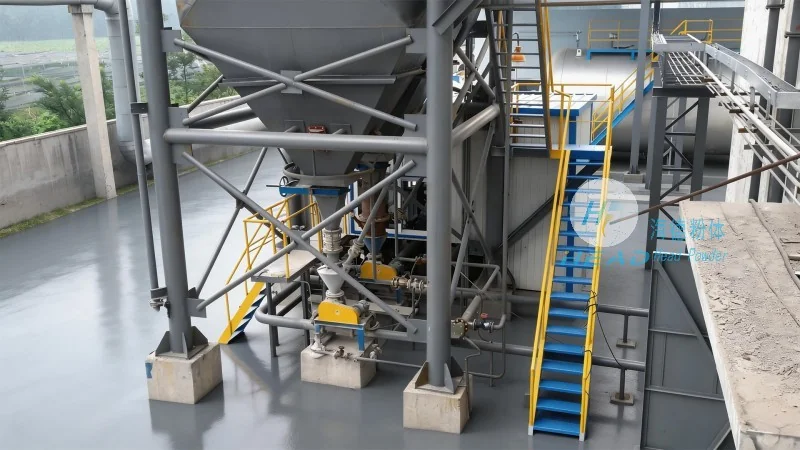
Advantages of Gas-Solid Pneumatic Conveying for Calcium Carbide Dust
Implementing a gas-solid pneumatic conveying system for calcium carbide dust offers several advantages over traditional handling methods. These include improved safety by reducing dust exposure to personnel, enhanced environmental compliance through effective dust control, and increased operational efficiency by automating the material transport process. The system also minimizes the risk of dust explosions by controlling the dust concentration in the air stream, which is a critical consideration in industrial settings. Additionally, the use of pneumatic conveying eliminates the need for manual handling of dust, reducing labor costs and improving workplace conditions.
Customization and Application Flexibility
HeadPowder Engineering recognizes that each industrial application has unique requirements. Therefore, the company offers customized gas-solid pneumatic conveying solutions tailored to the specific needs of clients. The system design can be adjusted based on factors such as the volume of dust to be handled, the distance of transport, and the destination point. This flexibility ensures that the system operates efficiently and effectively, meeting the operational goals of the client. The company's team of engineers works closely with clients to understand their specific challenges and develop solutions that address these needs, ensuring a seamless integration into existing production processes.




