This article provides a comprehensive overview of the automatic waste loading pneumatic conveying system, detailing its structural design and operational principles. The system is engineered to efficiently transport waste materials through pneumatic means, playing a crucial role in modern waste management infrastructure. By automating the material handling process, the system enhances productivity and reduces operational costs, making it an essential component for waste processing facilities.
Key Structural Components and Their Functions
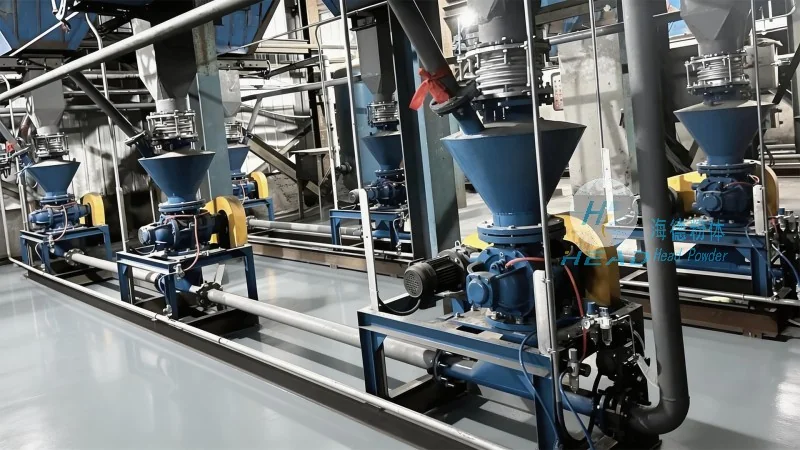
The automatic waste loading pneumatic conveying system consists of several interrelated components that work together to ensure smooth operation. The primary components include the waste hopper, which serves as the storage container for incoming waste; the feeding mechanism, typically a rotary valve or screw feeder, that controls the flow of material into the system; the air compressor unit, responsible for generating the high-pressure air required for conveying; and the pipeline network, which transports the waste particles from the hopper to the processing or disposal site. Each component is designed with robust materials and precise engineering to withstand the abrasive nature of waste materials and maintain long-term performance.
Operational Principles and How It Works
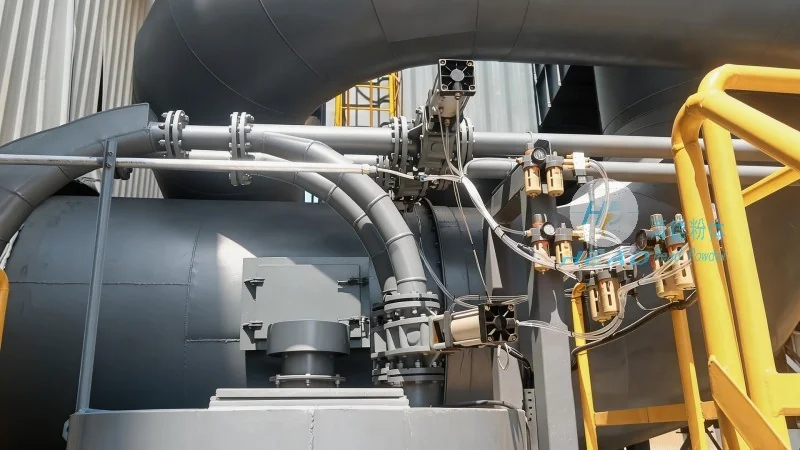
The system operates based on the fundamental principle of pneumatic transport, where air movement is used to move solid particles. When the air compressor produces high-pressure air, it is introduced into the pipeline, creating a flow that either pulls (suction) or pushes (blow) the waste particles along. The feeding mechanism ensures a consistent supply of waste into the hopper, while the air pressure maintains the material in a suspended state, preventing clogging and ensuring continuous transport. This method is particularly effective for dry and granular waste, as it can handle a wide range of particle sizes and densities without the need for mechanical conveyors.
Advantages and Benefits for Waste Management
Adopting an automatic waste loading pneumatic conveying system offers numerous advantages for waste processing operations. Firstly, it significantly improves operational efficiency by automating the material handling process, reducing the need for manual labor and minimizing the risk of human error. This leads to lower labor costs and increased throughput in waste processing facilities. Secondly, the enclosed pipeline system helps contain dust and odors, improving air quality and reducing environmental impact. Additionally, the compact design allows for easy integration into existing facilities, making it a flexible solution for upgrading or expanding waste handling capabilities without major structural changes. The system also offers scalability, allowing it to be adjusted to handle varying volumes of waste, making it suitable for both small-scale and large-scale applications.
About HeadPowder: Shandong HeadPowder Engineering Co., Ltd.
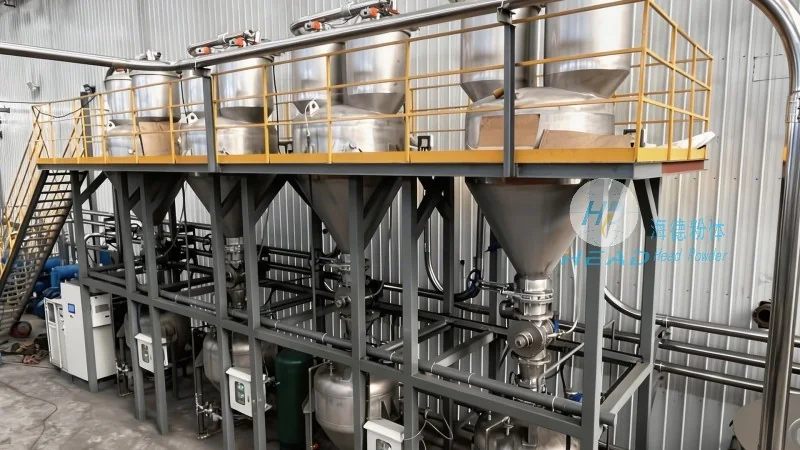
HeadPowder, a prominent engineering company based in Shandong, China, specializes in the design, manufacturing, and installation of advanced waste management systems. With a strong commitment to innovation and quality, HeadPowder has become a leading provider of pneumatic conveying solutions for the waste industry. The company's team of experienced engineers and technicians leverages cutting-edge technology and industry best practices to develop customized systems that meet the specific requirements of clients. HeadPowder's products are known for their durability, reliability, and efficiency, helping clients achieve optimal performance in their waste processing operations. The company's headquarters in Shandong, China, serves as a hub for research, development, and customer support, ensuring that clients receive timely and effective solutions to their waste handling challenges.




