PTA (Polyethylene Terephthalate Acid) is a critical raw material in the production of polyester fibers and resins. The efficient transportation of PTA pellets or granules is essential for maintaining smooth operations in industrial facilities. PTA pneumatic conveying systems are specialized equipment designed to handle these materials with precision and reliability. This article provides an overview of the structure and working principles of PTA pneumatic conveying systems, highlighting the key components and operational mechanisms that ensure optimal performance.
Key Components of PTA Pneumatic Conveying Systems
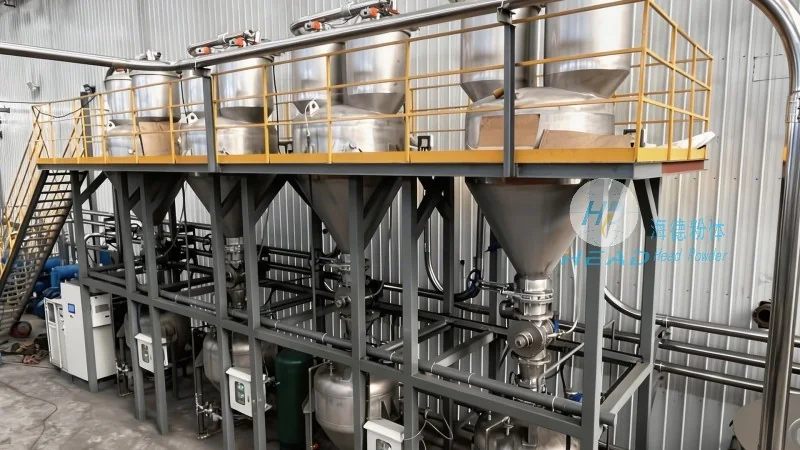
The PTA pneumatic conveying system consists of several critical components that work in tandem to transport materials. The primary components include the material hopper, which serves as the storage and feeding unit. The hopper is equipped with a rotary valve or feeder to control the flow of PTA material into the system. The conveying line itself is typically made of stainless steel or other corrosion-resistant materials to withstand the chemical properties of PTA and ensure durability. The system also features a series of pipes and fittings that direct the material flow from the hopper to the discharge point. Additionally, a vacuum or pressure source, such as a blower or compressor, generates the necessary airflow to move the PTA particles through the system. The control panel, integrated into the system, allows operators to monitor and adjust the conveying parameters, including flow rate and pressure, to maintain consistent performance.
Working Principles of PTA Pneumatic Conveying Systems
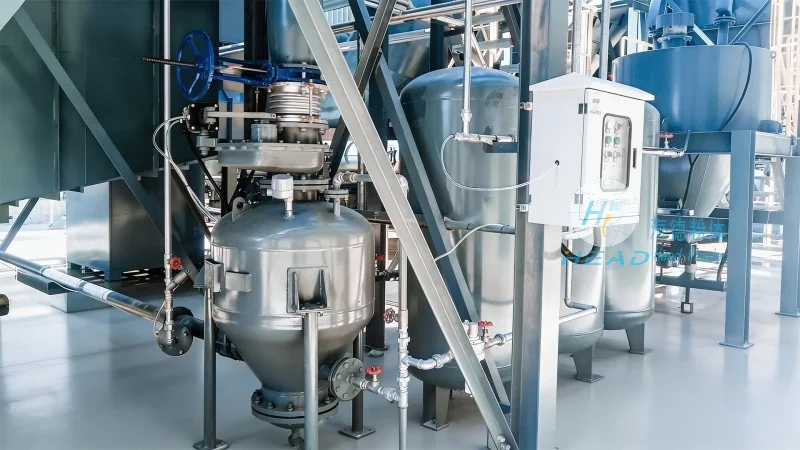
The operation of a PTA pneumatic conveying system is based on the principle of air movement to transport solid particles. There are two main types of pneumatic conveying systems: pressure and vacuum systems. In a pressure system, the blower or compressor creates positive pressure within the conveying line, pushing the PTA material from the hopper to the discharge point. The material is suspended in the air stream and carried along the pipeline. In a vacuum system, the system operates under negative pressure, drawing the PTA material from the hopper into the line using a vacuum pump. Both systems rely on the velocity of the air stream to maintain the material in suspension and prevent blockages. The system's design, including pipe diameter, air velocity, and material flow rate, is carefully optimized to ensure efficient and reliable transport of PTA without degradation or loss of material quality.
Advantages of PTA Pneumatic Conveying Systems
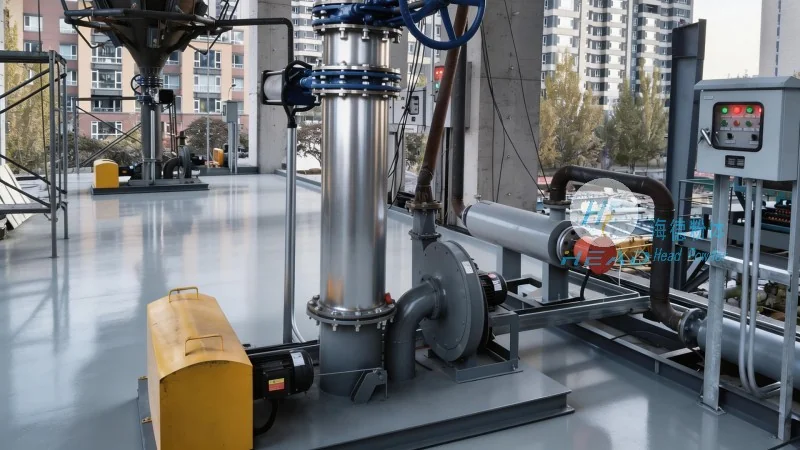
PTA pneumatic conveying systems offer several advantages over traditional mechanical conveying methods. One of the key benefits is the ability to handle PTA material in a closed system, which minimizes dust emissions and protects the material from contamination and moisture. This is particularly important for PTA, which is sensitive to environmental factors that can affect its quality and processing characteristics. The systems also provide flexibility in material handling, allowing for horizontal, vertical, or inclined transport as required by the industrial layout. Additionally, PTA pneumatic conveying systems can handle a wide range of material sizes and shapes, from fine powders to larger pellets, making them suitable for various applications in the PTA production and processing industry. The automated control features of these systems enhance operational efficiency and reduce the need for manual intervention, leading to lower labor costs and improved safety in the workplace.
About Shandong HeadPowder Engineering Co., Ltd.
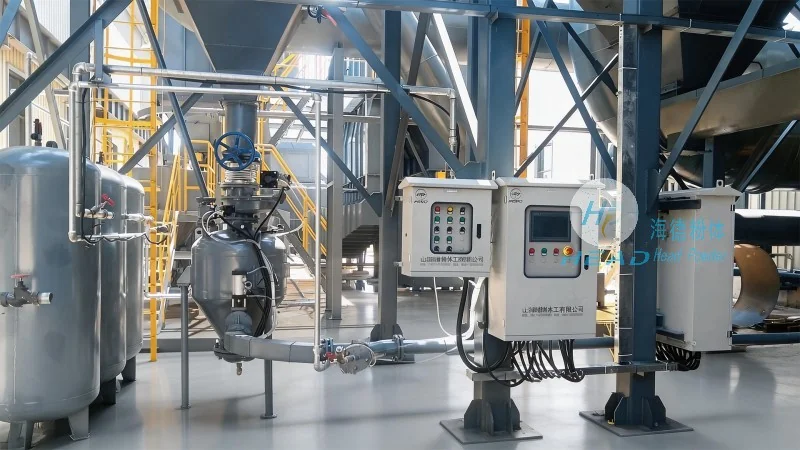
Shandong HeadPowder Engineering Co., Ltd., commonly known as HeadPowder, is a leading manufacturer and supplier of pneumatic conveying systems and related industrial equipment. With a strong focus on innovation and quality, HeadPowder has established itself as a trusted partner in the chemical and material processing industries. The company specializes in designing and manufacturing customized PTA pneumatic conveying systems that meet the specific requirements of its clients. HeadPowder's team of experienced engineers and technicians ensures that each system is engineered to deliver optimal performance, reliability, and durability. The company's commitment to customer satisfaction and technical excellence has earned it a reputation for delivering high-quality products and services in the industry. HeadPowder's facilities are located in Shandong, China, where the company leverages its local expertise and resources to provide efficient and effective solutions for its global clientele.




