This article provides an overview of the rice bran pneumatic conveying system, focusing on its structural design and operational principles. The system is engineered to efficiently transport rice bran, a byproduct of rice milling, from one location to another with minimal loss and optimal performance. Understanding the components and mechanisms of this system is crucial for industries involved in rice processing, as it enhances operational efficiency and product quality.
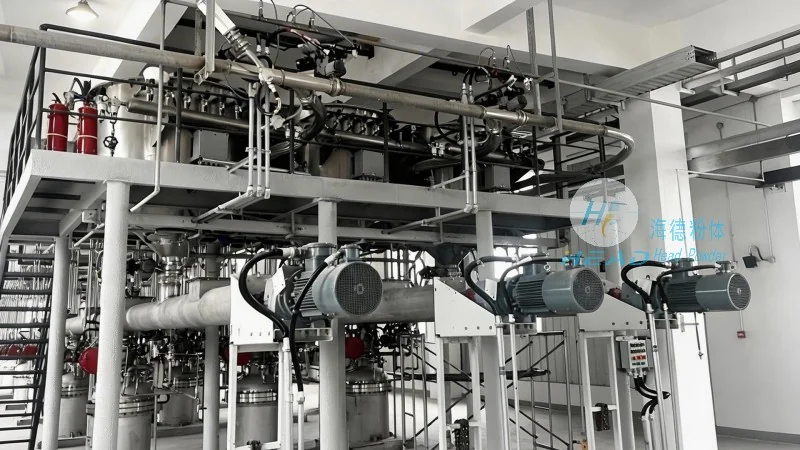
Key Components of the Pneumatic Conveying System
The rice bran pneumatic conveying system consists of several critical components that work in tandem to ensure smooth material transport. These include the hopper, which stores the rice bran; the air compressor or blower, which generates the necessary air pressure; the pipeline system, which carries the material and air; and the discharge unit, which delivers the rice bran to the target location. Each component plays a vital role in maintaining the system's efficiency and reliability.
Working Principle of the Pneumatic Conveying System
The operation of the rice bran pneumatic conveying system is based on the principle of air flow and particle suspension. When the air compressor starts, it forces air into the pipeline, creating a pressure differential. The rice bran is then introduced into the hopper and fed into the pipeline through a feeder. The air flow lifts and transports the rice bran particles through the pipeline, maintaining them in a suspended state. This process allows for the efficient movement of the material over long distances without the need for mechanical conveyors, which can cause product degradation or contamination.
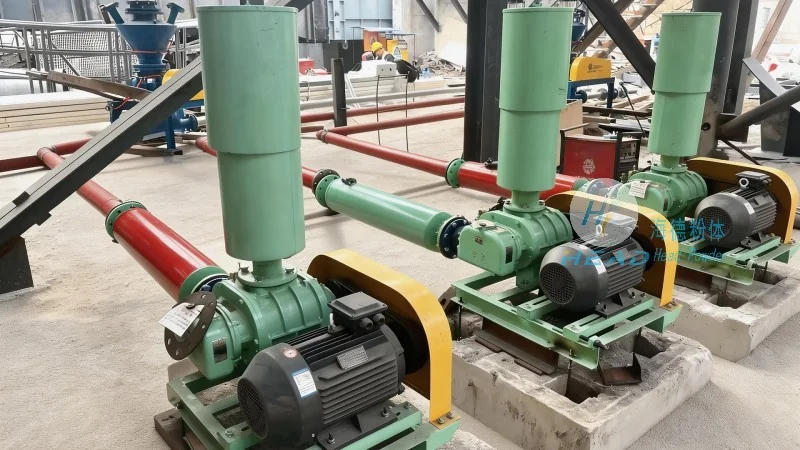
Structural Design and Engineering Considerations
The structural design of the rice bran pneumatic conveying system is tailored to handle the specific characteristics of rice bran, such as its moisture content, particle size, and flowability. The system is constructed with materials that are resistant to corrosion and wear, ensuring long-term durability. The pipeline is typically made of stainless steel or other corrosion-resistant materials to prevent contamination and maintain product purity. Additionally, the system incorporates features like air filtration and moisture control to optimize the conveying process and protect the rice bran from degradation.
Application and Benefits in Rice Processing
The rice bran pneumatic conveying system is widely used in rice processing facilities to transport rice bran from storage areas to processing units, such as oil extraction or animal feed production. The system offers several benefits, including reduced labor costs, minimized product loss, and improved hygiene compared to traditional methods like bucket elevators or belt conveyors. Furthermore, the system's ability to handle large volumes of material efficiently makes it an ideal solution for high-throughput rice processing operations.
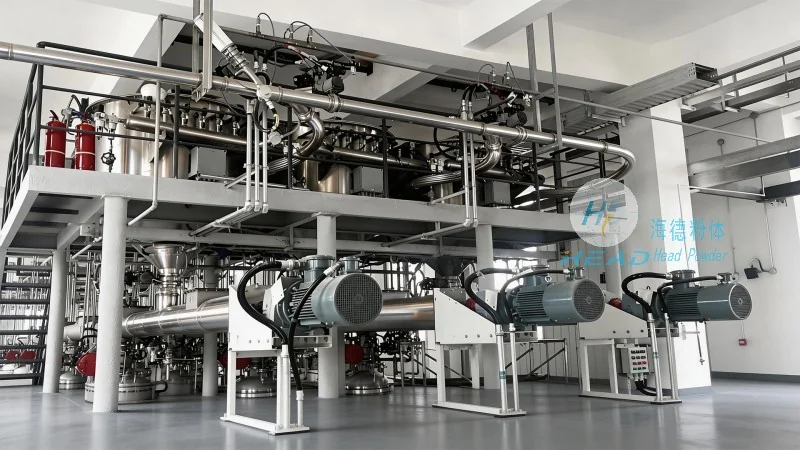
About Shandong HeadPowder Engineering Co., Ltd.
Shandong HeadPowder Engineering Co., Ltd., operating under the brand name headpowder, is a leading manufacturer of pneumatic conveying systems and related equipment. With a focus on innovation and quality, the company has developed advanced solutions for material handling in various industries, including food processing, chemical manufacturing, and pharmaceuticals. HeadPowder's expertise in designing and manufacturing rice bran pneumatic conveying systems is built on years of experience and a commitment to meeting the specific needs of its clients. The company, located in Shandong, China, is dedicated to providing reliable and efficient equipment that enhances the productivity and quality of its customers' operations. HeadPowder's products are known for their durability, performance, and adherence to industry standards, making them a trusted partner for businesses in the rice processing sector.
Conclusion
In summary, the rice bran pneumatic conveying system is a sophisticated and efficient solution for transporting rice bran in rice processing facilities. Its structural design and working principles ensure optimal performance, while the components and engineering considerations address the unique challenges of handling rice bran. With the support of companies like Shandong HeadPowder Engineering Co., Ltd., industries can leverage this technology to enhance their operational efficiency and product quality. The system's benefits, including reduced costs and improved hygiene, make it a valuable investment for any rice processing operation.




