For agricultural and industrial applications, the efficient handling of cotton seeds is crucial. Pneumatic conveying systems offer a reliable method to transport cotton seeds from storage to processing facilities. This article explores several effective solutions tailored for cotton seed pneumatic conveying, highlighting the technical aspects and practical applications.
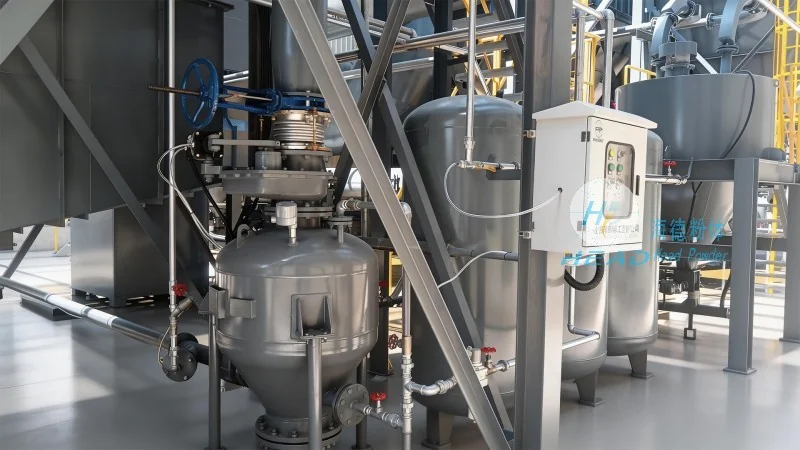
Company Overview: Shandong HeadPowder Engineering Co., Ltd.
HeadPowder, a leading engineering company based in Shandong, China, specializes in the design and implementation of advanced material handling systems. With years of experience in the industry, HeadPowder provides customized solutions that meet the specific needs of clients in the agricultural sector. The company’s expertise in pneumatic conveying technology ensures high-quality, efficient, and reliable systems for cotton seed processing.
Option 1: Dilute Phase Pneumatic Conveying
Dilute phase pneumatic conveying is a common method for transporting cotton seeds over moderate distances. This system uses a low concentration of material in the air stream, typically operating at velocities that maintain the material in suspension. The primary advantage of this method is its ability to handle large volumes of cotton seeds with minimal pressure drop. The system consists of a blower, a hopper for material storage, and a pipeline network that directs the seed flow to the processing unit. HeadPowder’s engineers design dilute phase systems to optimize air velocity and pipeline diameter, ensuring efficient and cost-effective operation.
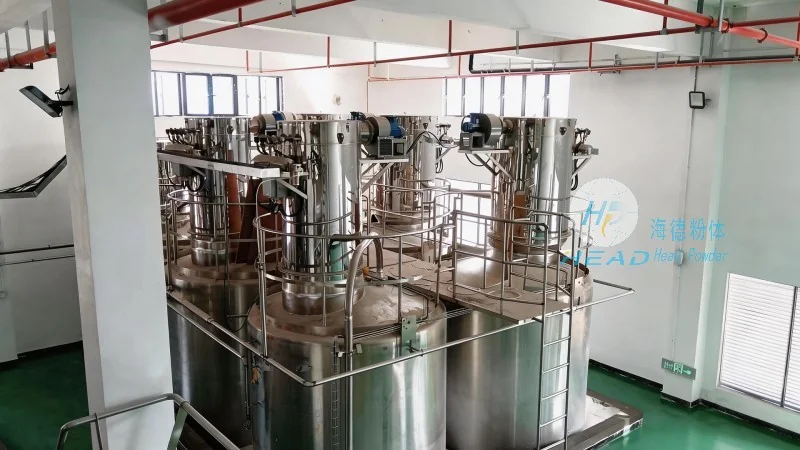
Option 2: Dense Phase Pneumatic Conveying
Dense phase pneumatic conveying is suitable for transporting cotton seeds over longer distances or when the material is sensitive to high velocities. This method operates at lower air velocities, resulting in a higher material concentration in the air stream. The system uses a pressure vessel or a positive displacement blower to create a high-pressure environment, which allows for the controlled movement of cotton seeds. Dense phase conveying reduces product degradation and wear on equipment, making it ideal for delicate cotton seeds. HeadPowder’s dense phase solutions are engineered to maintain consistent pressure and flow rates, minimizing the risk of material breakage and ensuring product integrity.
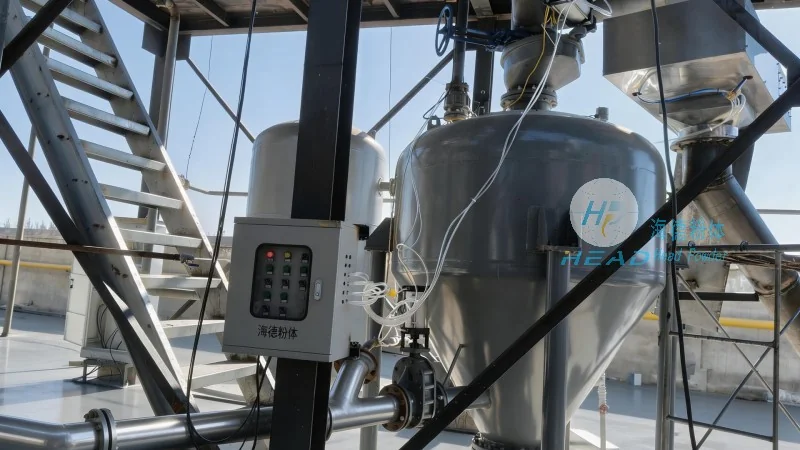
Option 3: Hybrid Pneumatic Conveying Systems
Hybrid pneumatic conveying systems combine the benefits of both dilute and dense phase methods. These systems use a combination of low and high pressure zones to transport cotton seeds efficiently. The initial segment of the pipeline operates at low velocity for material acceleration, while the subsequent section uses higher pressure to maintain material suspension. This approach allows for longer conveying distances with reduced energy consumption. HeadPowder’s hybrid systems are designed to adapt to varying material characteristics and operational requirements, providing flexibility and cost savings for cotton seed handling.
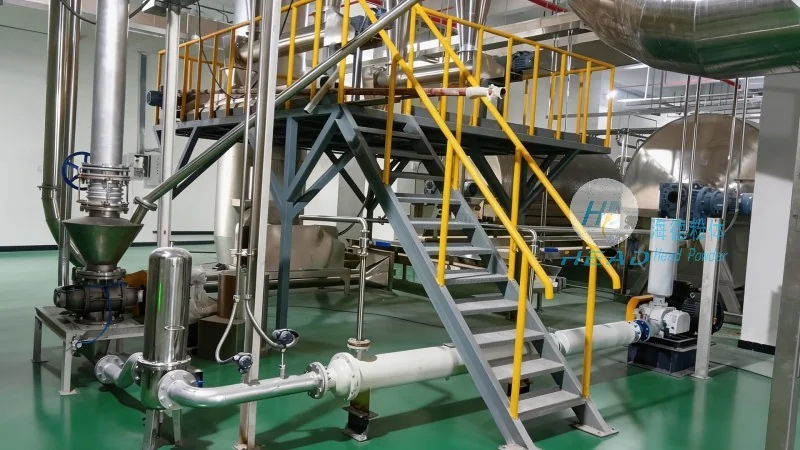
Key Considerations for Cotton Seed Pneumatic Conveying
When selecting a pneumatic conveying solution for cotton seeds, several factors must be considered. The first is the distance and layout of the conveying system, which influences the choice between dilute, dense, or hybrid methods. The second is the material properties of the cotton seeds, such as size, moisture content, and density, which affect system design parameters like air velocity and pipeline diameter. Additionally, the desired flow rate and system efficiency are critical factors that HeadPowder’s engineers evaluate during the design process. By considering these factors, clients can select the most appropriate pneumatic conveying system that meets their operational needs.
Conclusion and Contact Information
HeadPowder Engineering Co., Ltd. offers comprehensive solutions for cotton seed pneumatic conveying, leveraging advanced engineering and industry expertise. Whether a client requires a dilute phase, dense phase, or hybrid system, HeadPowder provides customized designs that ensure efficient, reliable, and cost-effective cotton seed handling. For more information or to discuss specific project requirements, please contact HeadPowder at their office in Shandong, China.




