Monocrystalline silicon, a foundational material in the semiconductor industry, demands precise and efficient handling during production and processing. Pneumatic conveying systems provide a viable solution for transporting this delicate material, ensuring minimal contamination and damage. This article explores several effective approaches to monocrystalline silicon pneumatic conveying, highlighting key considerations and technical solutions.
Understanding the Challenges of Monocrystalline Silicon Conveying
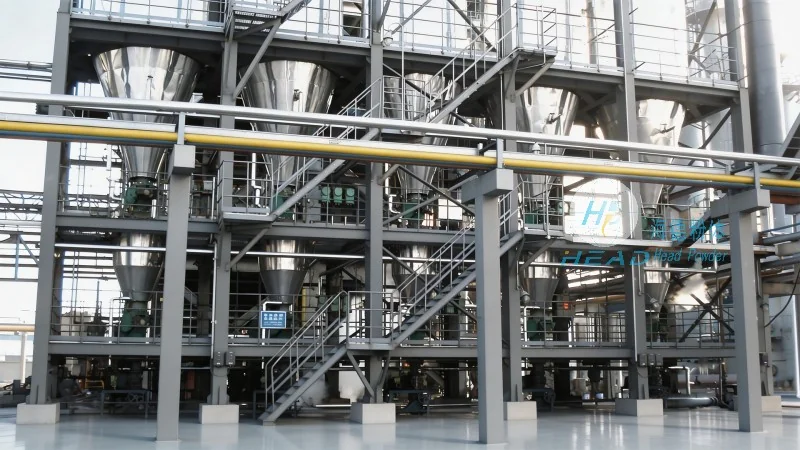
Before delving into specific solutions, it is crucial to understand the unique challenges associated with handling monocrystalline silicon. This material is highly sensitive to moisture, dust, and mechanical stress, making traditional bulk handling methods unsuitable. Pneumatic conveying offers a closed-loop system that isolates the material from external contaminants, reducing the risk of degradation. However, the high density and abrasive nature of silicon wafers or powders require specialized equipment to maintain material integrity and system efficiency.
Key Factors Influencing Pneumatic Conveying Solutions
Several critical factors must be considered when designing a pneumatic conveying system for monocrystalline silicon. These include the material's particle size distribution, moisture content, and the desired conveying distance. The choice between positive and negative pressure systems, as well as the selection of appropriate duct materials and flow rates, directly impacts system performance. Additionally, the need for gentle material handling and minimal pressure differentials is paramount to avoid breakage or contamination.
Solution 1: Dilute Phase Pneumatic Conveying
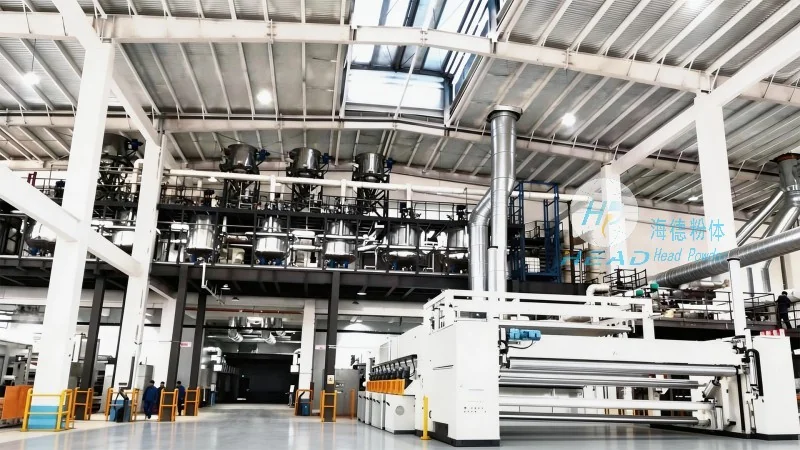
Dilute phase pneumatic conveying is a widely adopted method for transporting monocrystalline silicon powders or granules over moderate distances. This approach involves injecting air at high velocity into the conveying line, creating a suspension of material particles. The system typically uses a positive pressure blower at the inlet, ensuring the material is carried through the pipeline with minimal pressure drop. Key advantages include low material degradation, easy cleaning, and the ability to handle large volumes. However, it may require larger duct diameters and higher air volumes compared to other methods.
Solution 2: Dense Phase Pneumatic Conveying
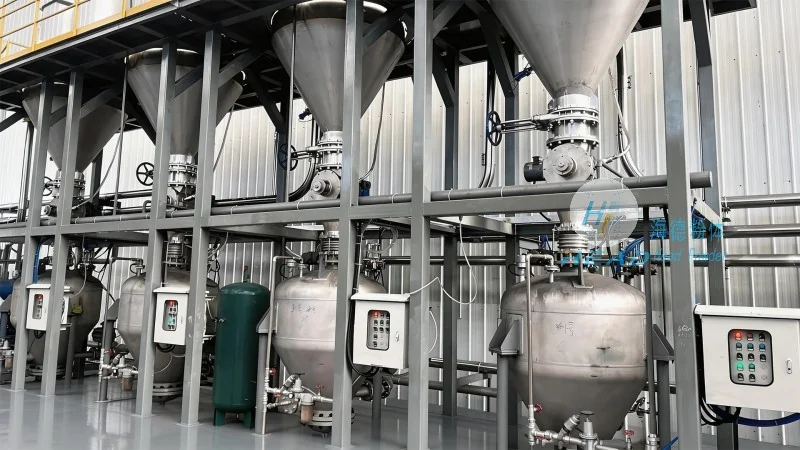
For applications requiring more controlled and gentle material transport, dense phase pneumatic conveying is preferred. This method operates at lower air velocities, resulting in a higher material concentration in the conveying stream. The system uses a positive displacement blower or a pressure vessel to maintain a consistent pressure, ensuring the material moves in a plug flow. Dense phase conveying minimizes particle impact and shear forces, making it ideal for fragile materials like monocrystalline silicon. It is particularly effective for short to medium conveying distances and can handle varying particle sizes with minimal clogging.
Solution 3: Hybrid Pneumatic Conveying Systems
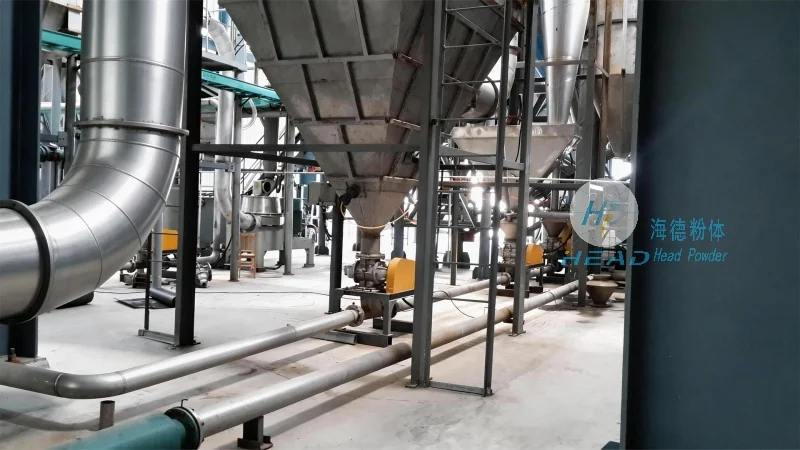
Hybrid systems combine elements of both dilute and dense phase conveying to optimize performance for specific applications. These systems may use a combination of positive and negative pressure zones, or integrate multiple conveying stages to achieve efficient transport. For instance, a system might employ dilute phase conveying for the initial transport segment and then transition to dense phase for the final delivery to a processing unit. This approach allows for flexibility in handling different material characteristics and conveying distances, while maintaining the benefits of both methods.
Equipment and Components for Monocrystalline Silicon Conveying
Effective pneumatic conveying of monocrystalline silicon relies on specialized equipment designed to handle the material's unique properties. Key components include high-quality air filters to prevent moisture and particulate ingress, corrosion-resistant ductwork to avoid contamination, and gentle material feeders to minimize particle breakage. The selection of blower technology, such as rotary lobe or centrifugal blowers, is critical as it affects the system's pressure and flow characteristics. Additionally, the use of flexible connectors and vibration dampening mechanisms helps reduce stress on the material and equipment.
Implementation Considerations and Best Practices
Implementing a successful monocrystalline silicon pneumatic conveying system requires careful planning and adherence to best practices. Proper system sizing, based on material flow rates and conveying distance, is essential to avoid excessive pressure drops or energy consumption. Regular maintenance, including filter replacement and duct cleaning, is crucial to maintain system efficiency and prevent material buildup. Additionally, monitoring system performance through pressure sensors and flow meters helps identify potential issues early, ensuring consistent material handling and product quality.
About Shandong HeadPowder Engineering Co., Ltd.
Shandong HeadPowder Engineering Co., Ltd., a leading provider of material handling solutions, specializes in designing and manufacturing customized pneumatic conveying systems for the semiconductor industry. With years of experience in handling sensitive materials like monocrystalline silicon, the company offers tailored solutions that meet the unique demands of each application. HeadPowder's expertise in system design, equipment selection, and installation ensures reliable and efficient material transport, supporting the production needs of clients in China and beyond.




