HeadPowder, a leading manufacturer based in Shandong, China, specializes in the design and production of advanced fertilizer pneumatic conveying equipment. This equipment is essential for efficient and reliable transportation of bulk fertilizers in agricultural and industrial applications.
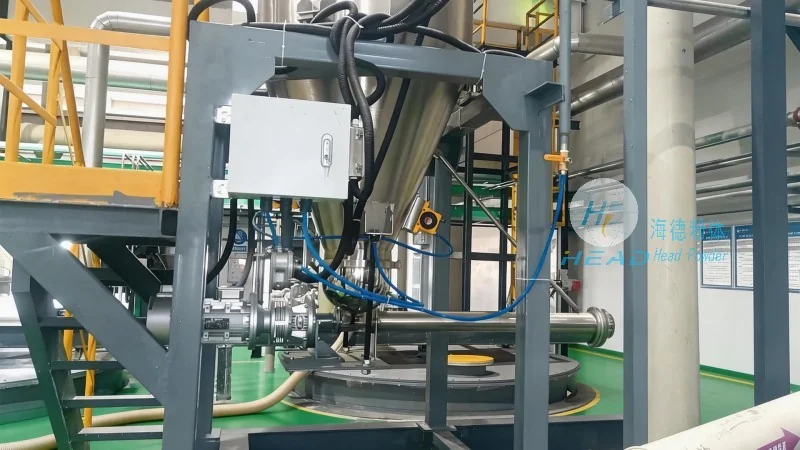
Overview of Fertilizer Pneumatic Conveying Equipment
Fertilizer pneumatic conveying systems are engineered to handle the transportation of granular or powdered fertilizers from storage silos to processing units or packaging areas. These systems utilize air pressure to move the material, eliminating the need for mechanical components like belts or chains that might be prone to wear and tear in harsh environments. The equipment is designed to ensure minimal product degradation, maintain consistent flow rates, and provide a hygienic transfer process, which is crucial for maintaining the quality of fertilizers.
Key Components of the Pneumatic Conveying System
The core components of a fertilizer pneumatic conveying system include the hopper, feeder, air compressor, pipeline network, and collection tank. The hopper is used to store the fertilizer, with a feeder mechanism that controls the flow of material into the system. The air compressor generates the necessary pressure to move the material through the pipeline. The pipeline network consists of straight sections and bends, designed to guide the material efficiently while minimizing pressure losses. The collection tank at the end of the system receives the fertilizer, allowing for further processing or packaging.
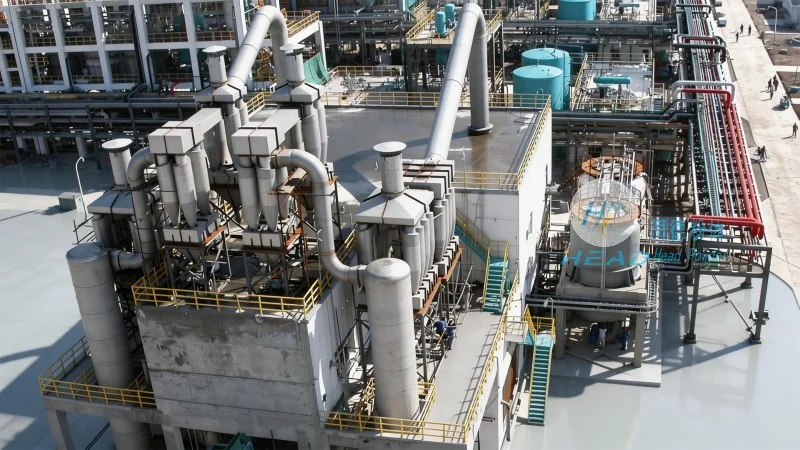
Working Principle of the Equipment
The operation of the fertilizer pneumatic conveying equipment begins with the material being fed from the hopper into the feeder. The feeder then introduces the fertilizer into the pipeline, where it is entrained by the high-velocity air stream generated by the compressor. The air and material mixture travels through the pipeline, with the air pressure maintaining the flow. At the receiving end, the air is separated from the fertilizer, often using a cyclone separator or a filter, and the air is discharged back to the atmosphere or recirculated. The separated fertilizer is collected in the receiving tank, ready for the next stage of processing.
Advantages of Using Pneumatic Conveying for Fertilizers
Employing pneumatic conveying systems for fertilizer transportation offers several advantages. Firstly, it provides a dust-free and hygienic transfer process, which is critical for maintaining the quality and safety of the product. Secondly, the system is highly efficient, with the ability to handle large volumes of material over long distances with minimal energy consumption compared to other methods like truck or rail transport. Thirdly, the equipment is flexible and can be easily integrated into existing production lines, allowing for seamless operation and reduced downtime. Additionally, the system reduces the risk of product contamination and damage, as the material is not in direct contact with mechanical parts, and the enclosed pipeline prevents exposure to environmental factors.
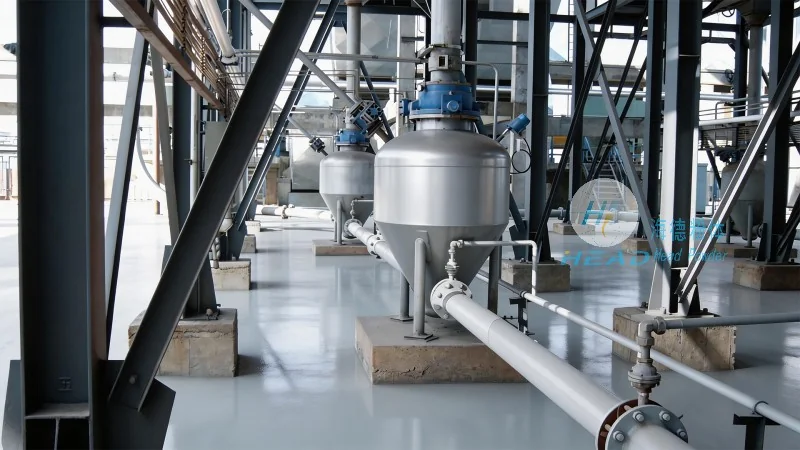
Application Scenarios
Fertilizer pneumatic conveying equipment is widely used in various applications within the agricultural and industrial sectors. In agricultural settings, it is commonly employed in fertilizer manufacturing plants to transport raw materials from storage silos to mixing and granulation units. In industrial applications, it is used in chemical and petrochemical plants where bulk materials need to be transferred between processing stages. The equipment is also utilized in fertilizer distribution centers to move products from storage to loading areas for shipment. Its versatility makes it suitable for both small-scale and large-scale operations, adapting to different production capacities and layouts.
Maintenance and Operational Considerations
Proper maintenance is essential to ensure the longevity and efficiency of the fertilizer pneumatic conveying equipment. Regular checks of the air compressor, pipeline system, and feeder mechanisms are necessary to prevent issues such as blockages or pressure drops. The system should be cleaned regularly to remove any residual fertilizer that could cause clogging or degrade performance. Additionally, monitoring the air pressure and flow rates is crucial to maintain optimal operation. HeadPowder, as a manufacturer, provides comprehensive maintenance services and spare parts to support their clients, ensuring that the equipment operates at peak performance throughout its service life.




