HeadPowder, a leading manufacturer based in Shandong, China, specializes in the design and production of advanced carbon black pneumatic conveying equipment. This equipment is essential for the efficient and safe transportation of carbon black, a critical pigment used in various industries such as rubber, plastics, and coatings. The following sections provide a detailed introduction to the structure and working principles of these systems, highlighting the key components and operational mechanisms that ensure reliable performance.
Introduction to Carbon Black Pneumatic Conveying Equipment
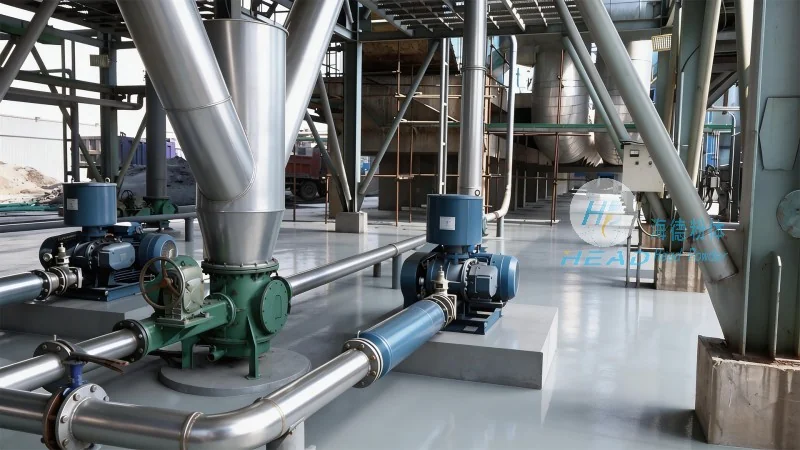
Carbon black pneumatic conveying equipment is a specialized system designed to transport carbon black powder from a source to a destination using compressed air or other gas. This method offers significant advantages over traditional mechanical conveying systems, including reduced material handling costs, improved safety by eliminating manual handling, and enhanced process control. The equipment is widely used in industrial settings where carbon black is processed and transported, ensuring consistent quality and minimal loss during transit.
Key Structural Components of the Pneumatic Conveying System
The carbon black pneumatic conveying system consists of several interconnected components that work in tandem to achieve efficient material transport. The primary components include the feeding unit, the conveying pipeline, the air supply system, the separation and collection unit, and the control system. Each component plays a crucial role in the overall operation of the equipment.
Feeding Unit: Ensuring Uniform Material Introduction
The feeding unit is responsible for introducing carbon black powder into the conveying system. It typically includes a hopper or a silo that stores the material, a feeder mechanism (such as a rotary valve or a screw feeder) that controls the flow rate, and a feeder inlet that connects to the conveying pipeline. The design of the feeding unit is critical to prevent material bridging, clogging, or uneven flow, which could disrupt the entire conveying process. The feeder ensures a consistent and controlled supply of carbon black, maintaining the stability of the pneumatic conveying operation.
Conveying Pipeline: The Core of Material Transport
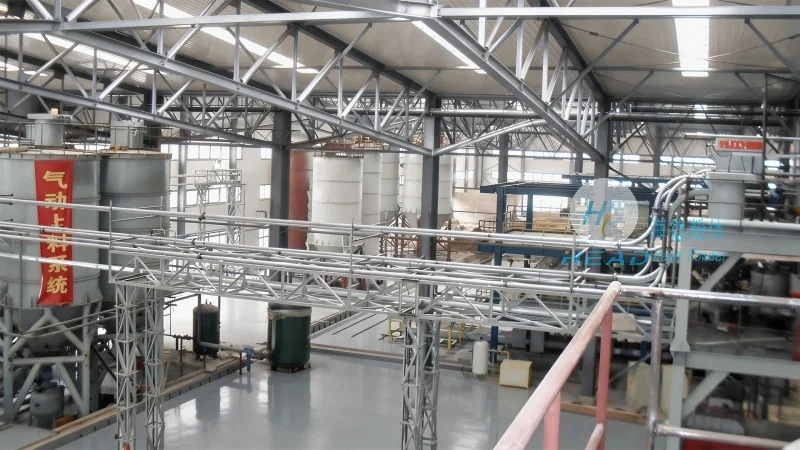
The conveying pipeline is the main channel through which carbon black is transported. It is usually made of stainless steel or other corrosion-resistant materials to withstand the abrasive nature of carbon black and the effects of compressed air. The pipeline is designed with appropriate bends and elbows to guide the material along the desired path, while minimizing pressure drop and ensuring smooth flow. The diameter and length of the pipeline are carefully selected based on the material's properties, flow rate, and the distance between the source and destination. The pipeline may also include features such as pressure relief valves and flow indicators to monitor the conveying process.
Air Supply System: Generating the Propelling Force
The air supply system provides the necessary pressure and volume of air to propel the carbon black particles through the pipeline. It typically consists of a compressor, a filter, a regulator, and a blower. The compressor generates high-pressure air, which is then filtered to remove contaminants and regulated to maintain a stable pressure. The air is then introduced into the conveying pipeline at the feeding point, creating a flow that carries the carbon black particles forward. The air supply system is designed to match the conveying requirements, ensuring sufficient air velocity to overcome the resistance of the material and the pipeline.
Separation and Collection Unit: Ensuring Material Recovery
The separation and collection unit is responsible for separating the carbon black particles from the air stream and collecting them at the destination. This unit typically includes a cyclone separator or a bag filter. The cyclone separator uses centrifugal force to separate the particles from the air, while the bag filter uses fabric bags to trap the particles. The separated carbon black is then collected in a hopper or a silo, ready for further processing or use. The design of the separation unit is critical to ensure high recovery rates and minimal air leakage, which helps maintain the efficiency and environmental compliance of the system.
Control System: Maintaining Process Stability
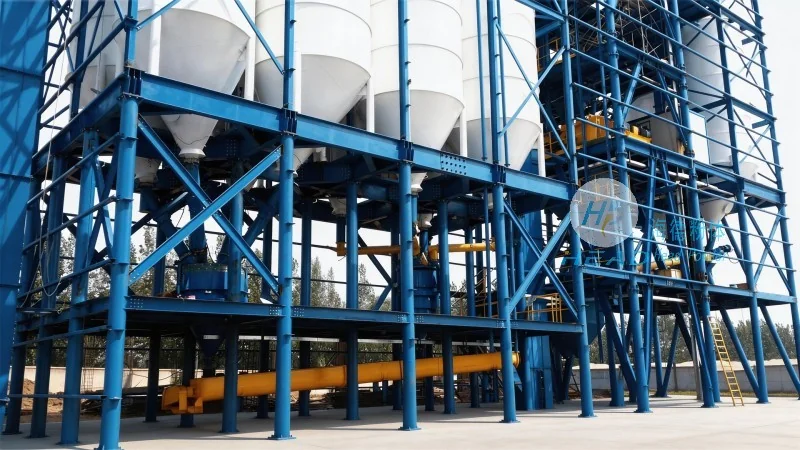
The control system is responsible for monitoring and controlling the operation of the pneumatic conveying system. It typically includes sensors, controllers, and a user interface. The sensors monitor parameters such as pressure, flow rate, and temperature, providing real-time data to the controller. The controller then adjusts the operation of the system based on the input from the sensors, ensuring that the conveying process remains stable and efficient. The user interface allows operators to set parameters, monitor the system status, and perform maintenance tasks. The control system helps prevent overloading, underloading, or other operational issues that could affect the performance of the equipment.
Working Principle: How the System Transports Carbon Black
The working principle of the carbon black pneumatic conveying system involves several steps. First, the carbon black powder is introduced into the feeding unit, where it is fed into the conveying pipeline at a controlled rate. Simultaneously, compressed air is introduced into the pipeline at the feeding point, creating a high-velocity air stream. The air stream carries the carbon black particles forward through the pipeline, overcoming the resistance of the material and the pipeline. The particles are then separated from the air stream at the destination using the separation and collection unit. The air is discharged, while the carbon black is collected and prepared for further use. The entire process is controlled by the control system, which ensures that the conveying operation is efficient, stable, and safe.
Advantages of Carbon Black Pneumatic Conveying Equipment
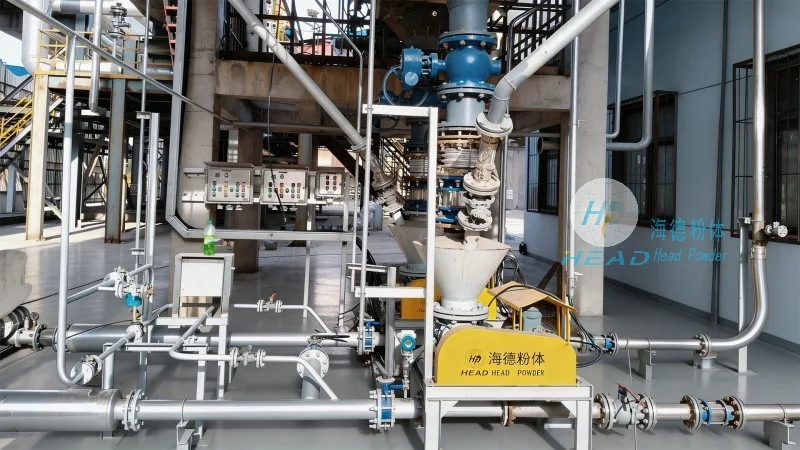
Carbon black pneumatic conveying equipment offers several advantages over traditional mechanical conveying systems. These include improved efficiency, reduced material handling costs, enhanced safety, and better process control. The equipment is also more flexible, allowing for easy changes in the conveying route or flow rate. Additionally, the system is compact and can be integrated into existing industrial facilities, reducing the need for additional space or infrastructure. The use of pneumatic conveying also helps minimize dust emissions and environmental impact, making it a more sustainable option for carbon black transportation.
Applications and Industries
The carbon black pneumatic conveying equipment is widely used in various industries that rely on carbon black as a key ingredient. These industries include rubber manufacturing, where carbon black is used as a reinforcing agent in tires and other rubber products; plastics industry, where it is used as a pigment and a filler; and coatings industry, where it is used to improve the durability and color of paints and varnishes. The equipment is also used in other applications such as the production of carbon black-based inks and pigments. The versatility of the system makes it suitable for a wide range of applications, ensuring that carbon black can be transported efficiently and reliably in various industrial settings.
Conclusion
Carbon black pneumatic conveying equipment is a critical component in the industrial processing of carbon black. The system's design and working principles ensure efficient and safe transportation of the material, while the key components work together to maintain process stability and reliability. HeadPowder, with its expertise in manufacturing such equipment, provides high-quality solutions that meet the diverse needs of industrial applications. By understanding the structure and working principles of these systems, users can optimize their operations and improve the overall efficiency of carbon black handling in their facilities.




