For industries dealing with bulk material handling, especially in the cement sector, efficient and reliable transportation of cement and mineral powders is crucial. Pneumatic conveying systems offer a versatile and effective method to move these materials from one location to another, ensuring minimal loss, reduced labor costs, and improved safety. This article explores several key solutions for pneumatic conveying of cement and mineral powders, highlighting the technical aspects and practical applications that make them suitable for various industrial needs.
Understanding Pneumatic Conveying Systems
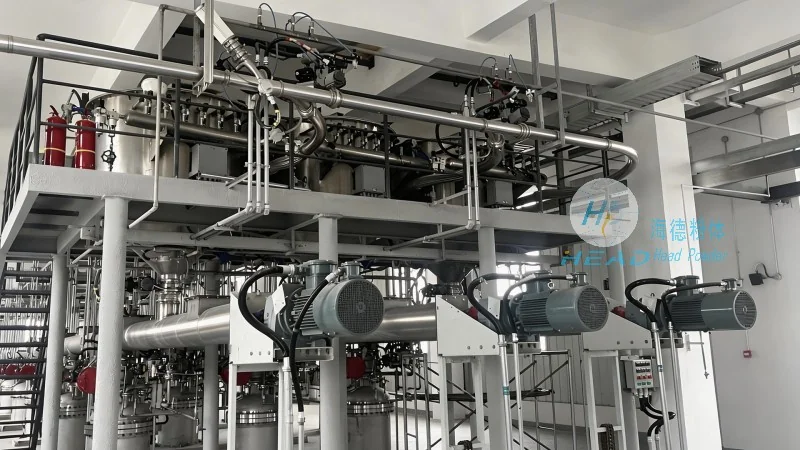
Pneumatic conveying systems utilize air or gas to transport particulate materials through a pipeline. These systems can be categorized into two main types: dilute phase and dense phase. Dilute phase systems use high-velocity air to suspend particles, while dense phase systems employ lower air velocities to push material through the pipeline. The choice between these systems depends on factors such as material characteristics, distance, and required flow rate. For cement and mineral powders, which are typically fine and abrasive, the selection of the appropriate system is critical to ensure optimal performance and longevity of the equipment.
Solution 1: Positive Pressure Conveying System
One of the most common solutions for cement and mineral powder handling is the positive pressure conveying system. This system operates by blowing air into the pipeline, creating a positive pressure that pushes the material forward. The system typically includes a blower, a hopper for material storage, and a pipeline network. Positive pressure systems are well-suited for short to medium distances and can handle a wide range of particle sizes. They are also relatively simple to install and maintain, making them a popular choice for many industrial applications. The headpowder team at Shandong HeadPowder Engineering Co., Ltd. specializes in designing and implementing positive pressure systems that meet the specific requirements of cement and mineral powder handling, ensuring efficient and reliable material transport.
Solution 2: Negative Pressure Conveying System
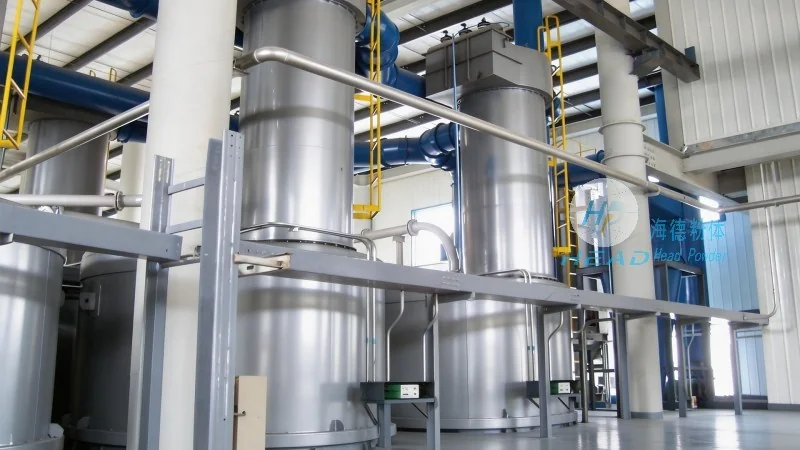
Conversely, negative pressure conveying systems draw material into the pipeline using a vacuum created by a fan or ejector. This method is particularly effective for applications where the material needs to be transported from multiple sources or over longer distances. Negative pressure systems are often preferred when dealing with fine powders that are prone to dust and require a closed system to prevent contamination. The design of negative pressure systems involves careful consideration of the vacuum level, pipeline layout, and material characteristics to ensure smooth and continuous operation. Shandong HeadPowder Engineering Co., Ltd. offers comprehensive solutions for negative pressure conveying, including custom-designed equipment and system integration services.
Solution 3: Hybrid Conveying System
In some cases, a combination of positive and negative pressure principles is used to create a hybrid conveying system. This approach allows for flexibility in handling different material types and distances. For example, a hybrid system might use positive pressure to move material from a hopper to a transfer point and then switch to negative pressure for the final transport to the destination. Hybrid systems are particularly useful when dealing with varying material properties or when the conveying distance is not uniform. The engineering team at Shandong HeadPowder Engineering Co., Ltd. has extensive experience in designing hybrid systems that optimize material flow, reduce energy consumption, and enhance overall system efficiency.
Key Considerations for Pneumatic Conveying of Cement and Mineral Powders
When selecting a pneumatic conveying solution for cement and mineral powders, several key factors must be considered. First, the particle size and density of the material play a significant role in determining the system's design. Fine powders may require higher air velocities and more robust filtration to prevent blockages and ensure consistent flow. Second, the distance and layout of the conveying line affect the choice of system type and equipment specifications. Longer distances may necessitate more powerful blowers or additional boosters to maintain material transport. Third, the need for dust control and environmental compliance is critical, especially in industrial settings where air quality regulations are strict. Shandong HeadPowder Engineering Co., Ltd. provides expert consultation on these factors, helping clients choose the most suitable pneumatic conveying solution that meets their operational and regulatory requirements.
Advantages of Pneumatic Conveying for Cement and Mineral Powders
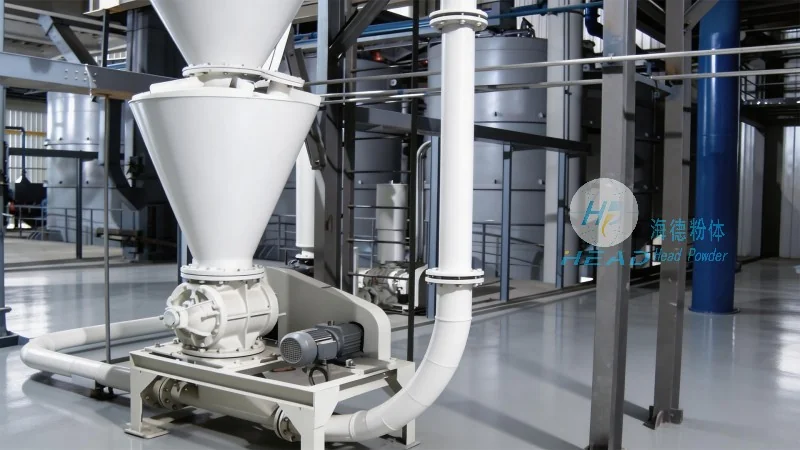
Pneumatic conveying offers several advantages over traditional methods such as belt conveyors or bucket elevators. One of the primary benefits is the ability to handle fine and abrasive materials without causing wear and tear on the equipment. The enclosed system also reduces dust emissions, improving workplace safety and compliance with environmental standards. Additionally, pneumatic conveying systems can be integrated with other processes, such as blending or storage, to create a seamless material handling workflow. The headpowder team at Shandong HeadPowder Engineering Co., Ltd. emphasizes these advantages in their solutions, ensuring that clients benefit from increased efficiency, reduced maintenance costs, and improved product quality.
Customized Solutions by Shandong HeadPowder Engineering Co., Ltd.
At Shandong HeadPowder Engineering Co., Ltd., we understand that every industrial application is unique. Our team of experienced engineers and technicians works closely with clients to design and implement customized pneumatic conveying solutions tailored to their specific needs. Whether it's a positive pressure system for short-distance transport or a negative pressure system for long-distance handling, we ensure that the solution is efficient, reliable, and cost-effective. Our services include system design, equipment manufacturing, installation, and maintenance, providing a comprehensive approach to cement and mineral powder handling. With our expertise and commitment to quality, Shandong HeadPowder Engineering Co., Ltd. is a trusted partner for industries seeking advanced pneumatic conveying solutions.




