Metallurgical coke powder is a critical material in various industrial processes, and its efficient transportation is essential for maintaining production efficiency and safety. Pneumatic conveying systems offer a reliable method for moving coke powder from storage to processing units. This article explores several effective solutions for the pneumatic conveying of metallurgical coke powder, highlighting key considerations and technologies. The solutions discussed are provided by Shandong HeadPowder Engineering Co., Ltd., a leading company specializing in bulk material handling systems, with offices located in China.
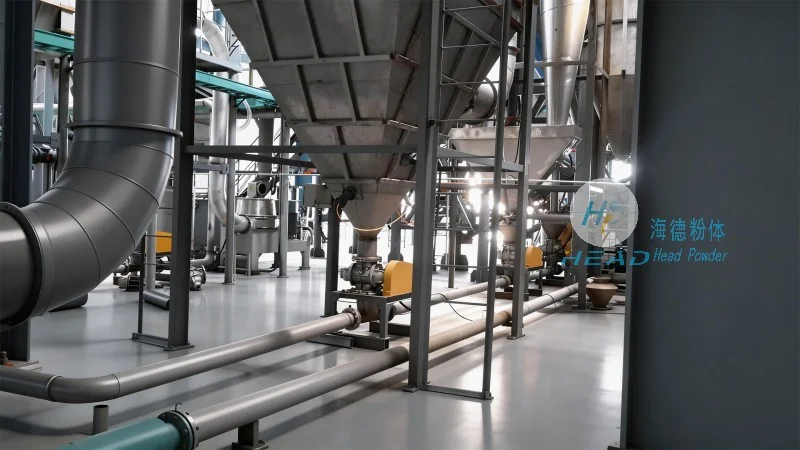
Overview of Pneumatic Conveying Systems
Pneumatic conveying systems utilize air or other gases to transport bulk materials like metallurgical coke powder through a network of pipes. These systems are widely used in industries such as steelmaking, chemical processing, and power generation due to their ability to handle fine powders and minimize dust exposure. The primary goal of these systems is to ensure consistent material flow, reduce downtime, and enhance overall operational safety.
Key Factors in Designing a Pneumatic Conveying System
When designing a pneumatic conveying system for metallurgical coke powder, several factors must be carefully considered. These include the particle size distribution, moisture content, and bulk density of the coke powder, as well as the required conveying distance and flow rate. The choice of conveying method—whether dilute-phase or dense-phase—also plays a crucial role in system performance. Dilute-phase systems are suitable for short distances and high flow rates, while dense-phase systems are ideal for longer distances and lower flow rates, often requiring higher air pressure.
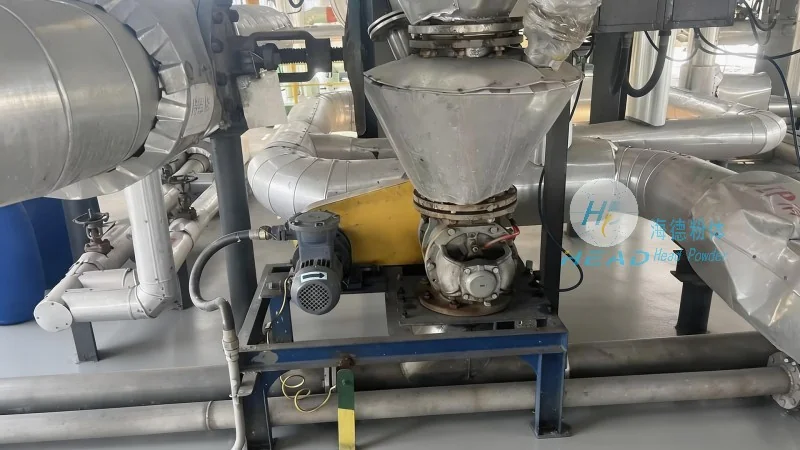
Solution 1: Dilute-Phase Pneumatic Conveying
Dilute-phase pneumatic conveying is a common solution for transporting metallurgical coke powder over moderate distances. In this method, the powder is suspended in a high-velocity air stream, allowing it to travel through the pipeline. This approach is particularly effective for applications where the powder is relatively dry and free-flowing. The system typically consists of a blower, a hopper, and a pipeline network. The blower generates the necessary air pressure to move the powder, while the hopper provides a controlled feed of material. Key advantages of dilute-phase systems include low capital costs and simplicity of operation. However, they may require larger air volumes and can be less efficient for long-distance transport.
Solution 2: Dense-Phase Pneumatic Conveying
Dense-phase pneumatic conveying is another effective solution, especially for longer distances or when handling cohesive or sticky coke powder. In this method, the powder is conveyed in a low-velocity air stream, often with a higher air-to-material ratio compared to dilute-phase systems. This approach allows for more efficient use of air and reduces the risk of material degradation or blockages. Dense-phase systems typically use a positive displacement blower or a pressure vessel to create the necessary pressure. The material is often pre-pressurized or mixed with a small amount of air before entering the pipeline. This method is particularly useful for applications where the powder needs to be delivered to a specific location with minimal dispersion. The main advantage of dense-phase systems is their ability to handle challenging materials and maintain consistent flow rates over longer distances.
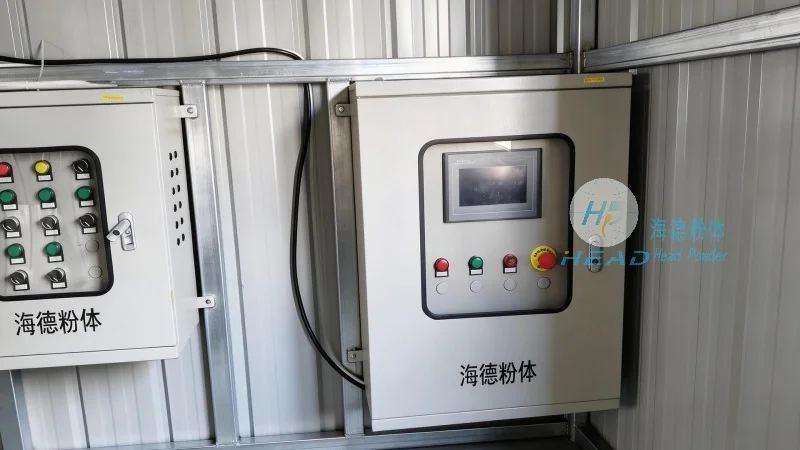
Solution 3: Hybrid Pneumatic Conveying Systems
Hybrid pneumatic conveying systems combine elements of both dilute-phase and dense-phase technologies to offer flexibility and efficiency. These systems can switch between different conveying modes based on the material characteristics and distance requirements. For example, a hybrid system might use dilute-phase for short segments and dense-phase for longer segments. This approach allows for optimized energy use and reduced operational costs. Hybrid systems are particularly beneficial in complex industrial settings where multiple material types or varying flow rates are involved. The technology behind hybrid systems often involves advanced control systems that monitor pressure, flow, and material level in real-time, adjusting the conveying parameters as needed.
Equipment and Components for Pneumatic Conveying
Several key components are essential for the successful operation of pneumatic conveying systems for metallurgical coke powder. These include: blower units, which provide the necessary air pressure; feeders, such as rotary valves or screw feeders, to control the material flow into the pipeline; pipeline networks, which transport the powder; and separation equipment, such as cyclones or filters, to remove the powder from the air stream at the destination. The choice of these components depends on the specific requirements of the application, including the material properties, conveying distance, and desired flow rate. For example, rotary valves are commonly used for their ability to handle a wide range of materials and provide consistent feed rates, while cyclones are effective for separating fine powder from the air stream.
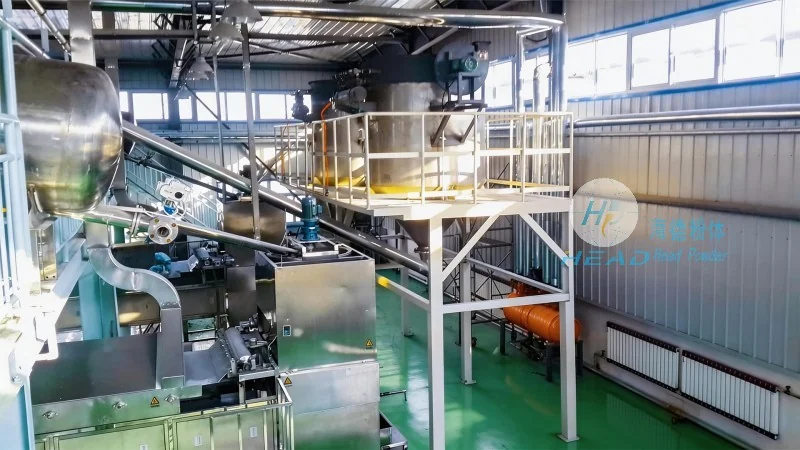
Maintenance and Operational Considerations
Proper maintenance is crucial for ensuring the long-term performance and reliability of pneumatic conveying systems. Regular inspections of blower units, pipelines, and feeders are necessary to detect and address issues such as wear, blockages, or air leaks. Cleaning the system, especially the separation equipment, is also important to prevent dust accumulation and maintain efficiency. Operational considerations include monitoring air pressure and flow rates, as well as adjusting the system parameters based on changes in material characteristics or production demands. Proper training of operators on system operation and maintenance is essential to minimize downtime and ensure safe operation. By following these guidelines, industrial facilities can maximize the lifespan and efficiency of their pneumatic conveying systems for metallurgical coke powder.
Conclusion
In conclusion, the pneumatic conveying of metallurgical coke powder can be effectively achieved through several solutions, each tailored to specific operational requirements. Dilute-phase, dense-phase, and hybrid systems offer different advantages and are suitable for various applications. The choice of system depends on factors such as conveying distance, material properties, and energy efficiency goals. Proper equipment selection, regular maintenance, and operational management are key to ensuring the success of these systems. As industrial demands continue to evolve, advancements in pneumatic conveying technology will likely provide even more efficient and reliable solutions for handling metallurgical coke powder.




