Introduction to Polypropylene Pellet Pneumatic Conveying Equipment: Structure and Working Principle
Release time:2026-09-21 22:01:39
name of the company:Shandong Headpowder Engineering Co., Ltd.
telephone:156-6277-7102
contacts:Zhang manager
Polypropylene (PP) is a widely used thermoplastic polymer, and its granular form is commonly employed in various industrial applications. The efficient and reliable transportation of these PP pellets from one location to another is crucial for maintaining production flow and minimizing material loss. Pneumatic conveying systems offer an effective solution for handling polypropylene pellets, providing a dust-free, closed-loop operation that enhances safety and product quality. This article provides an overview of polypropylene pellet pneumatic conveying equipment, detailing its structural components and operational principles.
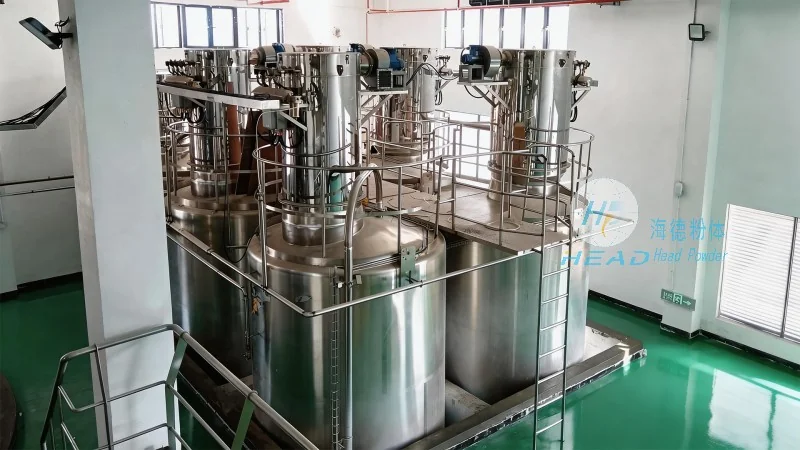
Key Components of Pneumatic Conveying Systems for Polypropylene Pellets
The pneumatic conveying system for polypropylene pellets typically consists of several key components that work in concert to transport the material. The primary elements include a hopper or feed bin for storing the pellets, a rotary valve or feeder to control the flow rate, a conveying pipe network, a pressure or vacuum source (such as a blower or vacuum pump), and a receiver or discharge hopper at the destination. Each component plays a vital role in ensuring the smooth and efficient movement of the polypropylene pellets.
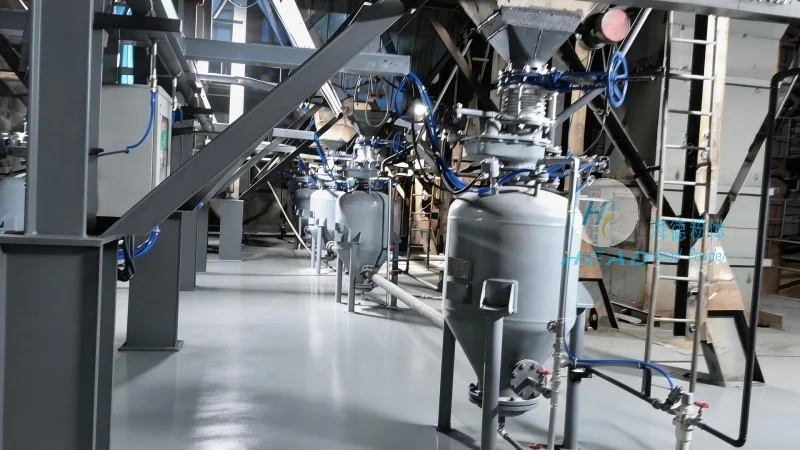
The hopper or feed bin is designed to hold a sufficient quantity of polypropylene pellets, providing a stable supply to the feeder. It often features a sloped bottom to facilitate material flow and may include a level indicator to monitor the inventory. The rotary valve or feeder is critical for regulating the amount of pellets entering the conveying line, preventing overfeeding or underfeeding which could lead to system inefficiencies or blockages. This component typically operates by rotating to allow controlled discharge of the material.
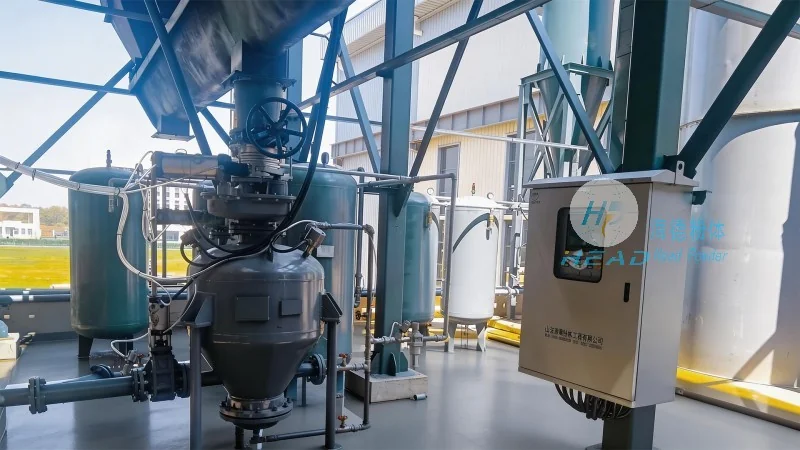
The conveying pipe network is made of materials resistant to the corrosive properties of polypropylene and the effects of the conveying medium (air or gas). Common materials for the pipes include stainless steel or special plastic composites that can withstand the abrasive nature of the pellets and the pressure or vacuum conditions. The pipe system is usually laid out to minimize bends and changes in direction, as excessive bends can cause increased pressure drop and potential blockages. The pressure source, such as a positive displacement blower or a vacuum pump, generates the necessary airflow to move the pellets through the pipes. The receiver or discharge hopper at the end of the system collects the conveyed polypropylene pellets, often equipped with a discharge valve to control the release of the material to the next process step.




