Phenolic resin, a type of thermosetting plastic, is widely used in various industrial applications due to its excellent mechanical properties, heat resistance, and chemical stability. The efficient and reliable transportation of phenolic resin powders or granules is crucial for manufacturing processes. Pneumatic conveying systems offer a solution to this challenge by utilizing air or gas to move the material through a pipeline. This article provides an overview of phenolic resin pneumatic conveying equipment, detailing its structure and operational principles.
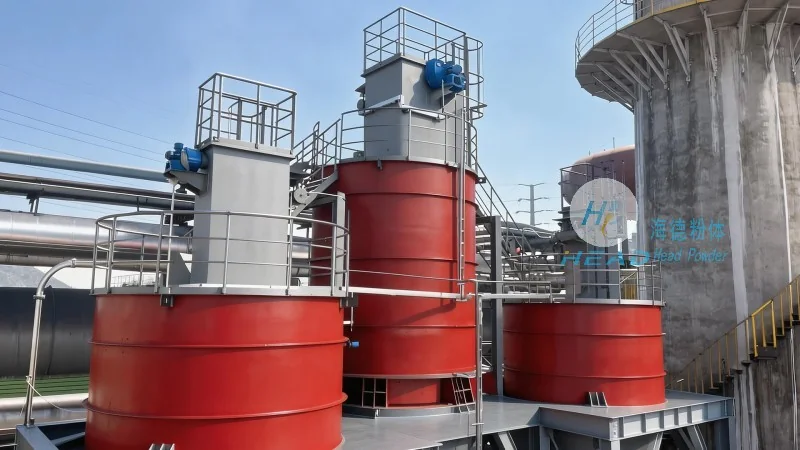
Key Components of Phenolic Resin Pneumatic Conveying Systems
Phenolic resin pneumatic conveying systems typically consist of several key components that work in concert to ensure smooth material transport. The primary components include the material feeder, air compressor, conveying pipeline, and receiver. Each component plays a vital role in the overall system performance.
The material feeder is responsible for introducing the phenolic resin into the conveying system. It can be a rotary valve, a screw feeder, or a hopper with a metering device, depending on the material characteristics and required flow rate. For phenolic resin, which may have varying particle sizes and flow properties, a suitable feeder is essential to maintain consistent material feed and prevent blockages or uneven flow.
The air compressor generates the necessary pressure and airflow to move the resin particles through the pipeline. The choice of compressor type—such as positive displacement or centrifugal—depends on factors like the system's capacity, pressure requirements, and energy efficiency. For phenolic resin applications, a compressor that can maintain stable pressure and airflow is critical to ensure reliable conveying.
The conveying pipeline is the main channel through which the resin and air travel. It is usually made of materials like stainless steel or plastic, chosen for their resistance to corrosion and wear from the phenolic resin. The pipeline design, including bends, elbows, and straight sections, affects the system's efficiency and pressure drop. Properly sized and configured pipelines minimize energy consumption and prevent material degradation or clogging.
The receiver, or collection hopper, is where the phenolic resin is deposited after being conveyed. It is designed to handle the material's characteristics, such as its density and flowability, to ensure safe and efficient unloading. The receiver may include features like a discharge valve or a hopper with a sloped bottom to facilitate material removal.
Working Principles of Pneumatic Conveying for Phenolic Resin
The operation of a phenolic resin pneumatic conveying system involves the following steps: material feeding, air injection, particle suspension, and transport. The process begins with the material feeder delivering the resin into the pipeline. Simultaneously, the air compressor supplies compressed air, which is introduced at the feeder or a specific point along the pipeline.
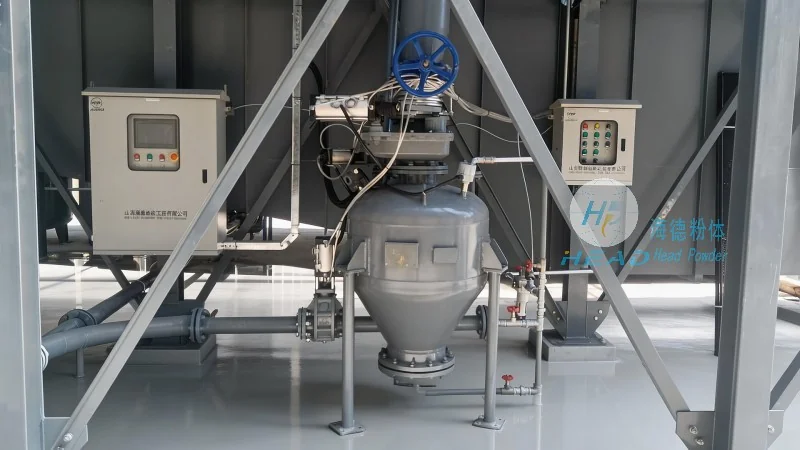
When the air is introduced, it creates a low-pressure zone that draws the resin particles into the airflow. The resin particles become suspended in the air stream, forming a dense or dilute phase mixture depending on the system design. The velocity of the air must be sufficient to keep the particles in suspension and overcome the gravitational forces acting on them.
As the mixture travels through the pipeline, it encounters various components like bends and elbows. The system's design, including the angle and radius of bends, is optimized to minimize pressure loss and prevent particle separation or deposition. The receiver then captures the resin as the air exits or is separated from the material.
For phenolic resin, which may have cohesive or abrasive properties, the system's design must account for these characteristics. For example, the use of appropriate materials for the pipeline and components can prevent resin buildup or wear. Additionally, the air velocity and pressure are adjusted to ensure the resin particles are adequately suspended without causing excessive wear on the system components.
Advantages of Phenolic Resin Pneumatic Conveying Equipment
Phenolic resin pneumatic conveying systems offer several advantages over traditional methods like belt conveyors or bucket elevators. One of the primary benefits is the ability to transport materials in a closed system, which reduces dust emissions and improves workplace safety. This is particularly important for phenolic resin, which can generate fine particles that are hazardous if inhaled.
Another advantage is the flexibility of the system. Pneumatic conveying can handle materials with varying particle sizes and flow properties, making it suitable for different phenolic resin formulations. The system can also be easily integrated into existing manufacturing processes, allowing for seamless material transport between different stages of production.
Energy efficiency is another key advantage. By using compressed air to move the material, the system can achieve high throughput with relatively low energy consumption compared to mechanical conveyors. The design of the pipeline and components, such as the use of smooth surfaces and appropriate bends, minimizes energy loss and ensures efficient operation.
Furthermore, pneumatic conveying systems are relatively compact and can be installed in tight spaces, which is beneficial for facilities with limited floor space. The closed system also helps maintain the quality of the phenolic resin by preventing contamination from external sources or environmental factors.
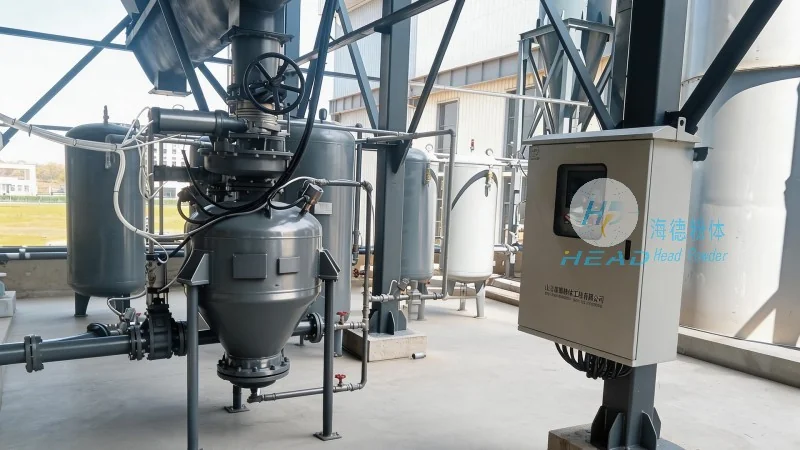
Applications and Considerations for Phenolic Resin Pneumatic Conveying
Phenolic resin pneumatic conveying equipment is widely used in industries such as automotive, aerospace, and electronics, where phenolic resin is used in applications like adhesives, coatings, and structural components. The system's ability to handle fine powders and maintain material integrity makes it ideal for these applications.
When selecting a pneumatic conveying system for phenolic resin, several factors must be considered. The first is the material's properties, including its particle size distribution, density, and flowability. These characteristics affect the system's design, such as the feeder type and air velocity required. The second factor is the system's capacity and pressure requirements, which depend on the production volume and the distance the material needs to be transported.
Material compatibility is also a critical consideration. The components of the system, such as the pipeline and feeder, must be resistant to the phenolic resin's chemical properties to prevent corrosion or degradation. For example, stainless steel or specialized plastics may be used for the pipeline to withstand the resin's acidity or alkalinity.
Installation and maintenance are other important aspects. The system should be installed by experienced professionals to ensure proper alignment and operation. Regular maintenance, including cleaning the pipeline and checking the compressor, is necessary to maintain system efficiency and prevent downtime. For phenolic resin systems, this may involve special cleaning procedures to remove resin buildup and prevent clogging.
Conclusion
Phenolic resin pneumatic conveying equipment is a reliable and efficient solution for transporting phenolic resin materials in industrial settings. The system's structure, which includes material feeders, air compressors, pipelines, and receivers, works together to ensure smooth and safe material transport. The operational principles, involving air injection and particle suspension, allow for the effective movement of resin particles through the pipeline.
With its advantages in dust control, flexibility, energy efficiency, and compact design, pneumatic conveying is a preferred method for phenolic resin handling. However, proper system design and maintenance are essential to ensure optimal performance and longevity. By considering the material's properties and system requirements, manufacturers can select and operate a pneumatic conveying system that meets their specific needs, ensuring efficient and safe phenolic resin processing.




