Polycarbonate is a widely used engineering plastic known for its excellent impact resistance, high transparency, and good dimensional stability. When it comes to handling polycarbonate powders or granules in industrial settings, efficient and reliable material transport is crucial. Pneumatic conveying systems offer a versatile solution for moving these materials, and there are several effective approaches tailored to the unique properties of polycarbonate. This article explores various pneumatic conveying solutions specifically designed for polycarbonate, highlighting key considerations and practical applications.
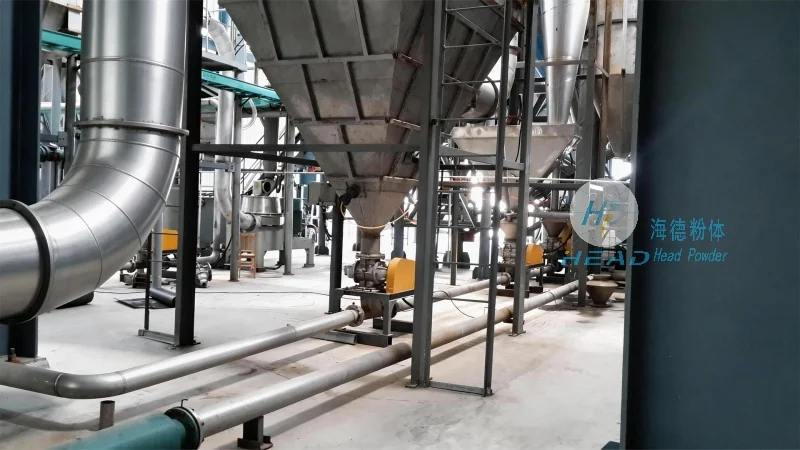
Company Overview: HeadPowder Engineering
HeadPowder Engineering, a leading provider in the field, specializes in custom pneumatic conveying systems. With years of experience and a deep understanding of material handling challenges, the company delivers tailored solutions that meet the specific needs of clients. Based in Shandong, China, HeadPowder Engineering combines advanced technology with expert engineering to ensure optimal performance and durability in polycarbonate handling applications.
Key Considerations for Polycarbonate Pneumatic Conveying
Before selecting a pneumatic conveying system for polycarbonate, several factors must be considered to ensure efficiency and material integrity. Polycarbonate's properties, such as its relatively high density and potential for static charge, require specialized equipment to prevent degradation or blockages. The choice of conveying method—whether dense phase or dilute phase—depends on the material's characteristics, the distance to be conveyed, and the desired system efficiency. Additionally, the system must be designed to minimize particle attrition and maintain the material's quality throughout the transport process. HeadPowder Engineering emphasizes these considerations in their design process, ensuring that each solution is optimized for the unique demands of polycarbonate.
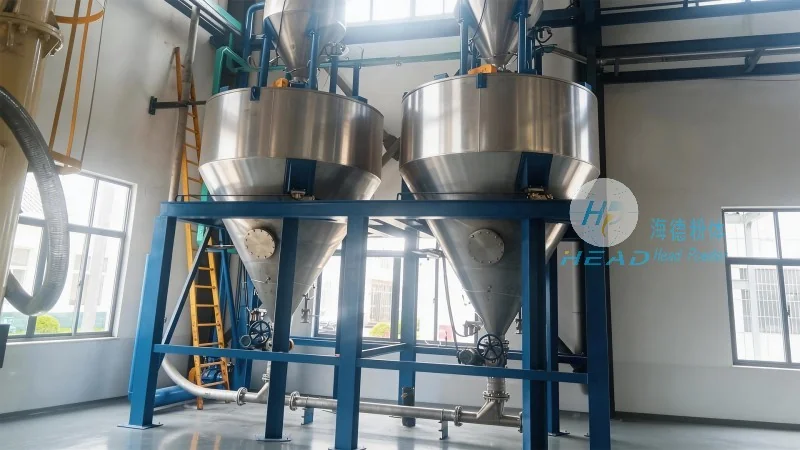
Option 1: Dense Phase Pneumatic Conveying
Dense phase pneumatic conveying is a method where the material is conveyed in a solid plug, typically at low velocities. This approach is ideal for polycarbonate due to its ability to handle abrasive or sensitive materials without causing excessive wear or degradation. The system operates by using a low air velocity and high material concentration, which reduces the risk of particle breakage and maintains the material's integrity. Dense phase conveying is particularly effective for longer distances and when transporting materials that are prone to static charge or caking. HeadPowder Engineering's dense phase systems are equipped with advanced control mechanisms to regulate air flow and material feed, ensuring consistent and reliable operation. The company's expertise in material flow dynamics allows for the design of systems that minimize pressure drops and energy consumption, making dense phase conveying a cost-effective solution for many polycarbonate applications.
Option 2: Dilute Phase Pneumatic Conveying
Dilute phase pneumatic conveying involves transporting material in a suspended state using higher air velocities. This method is suitable for shorter distances and when the material is less sensitive to impact. It is often used in applications where the material needs to be conveyed quickly and efficiently without the need for complex control systems. Dilute phase systems typically use positive pressure or negative pressure, depending on the specific requirements. HeadPowder Engineering offers dilute phase solutions that are optimized for polycarbonate, incorporating features such as cyclone separators and filter systems to ensure clean and efficient material transport. The company's systems are designed to handle varying material flow rates and maintain consistent performance, even under fluctuating conditions. While dilute phase conveying may not be as gentle as dense phase, it offers advantages in terms of simplicity and cost, making it a viable option for certain polycarbonate handling scenarios.
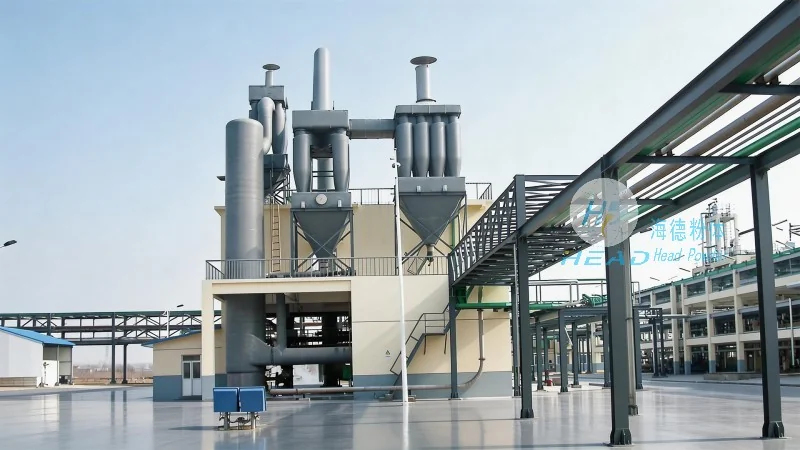
Option 3: Hybrid Pneumatic Conveying Systems
Hybrid pneumatic conveying systems combine elements of both dense and dilute phase methods, offering a flexible solution for diverse polycarbonate handling needs. These systems are particularly useful when transporting materials over varying distances or when different material characteristics require different conveying approaches. A hybrid system may start with a dense phase section for long-distance transport and transition to a dilute phase for shorter segments, optimizing energy use and material integrity. HeadPowder Engineering specializes in designing hybrid systems that adapt to changing conditions, ensuring smooth and efficient material flow. The company's engineers consider factors such as material flow rate, distance, and system constraints to develop customized hybrid solutions. By integrating advanced control technologies, hybrid systems provide enhanced reliability and performance, making them a popular choice for complex polycarbonate applications.
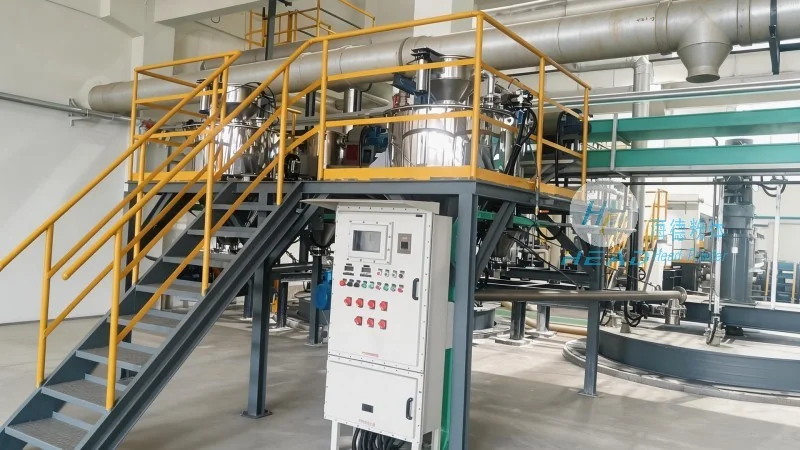
Advantages of HeadPowder Engineering's Solutions
HeadPowder Engineering's pneumatic conveying solutions for polycarbonate offer several key advantages. The company's focus on material-specific design ensures that each system is tailored to the unique properties of polycarbonate, minimizing the risk of degradation or system failure. Advanced materials and engineering techniques are used to construct components that can withstand the abrasive nature of polycarbonate, extending the system's lifespan and reducing maintenance costs. Additionally, the company's systems are equipped with monitoring and control features that allow for real-time performance tracking and adjustments, ensuring optimal operation. HeadPowder Engineering's commitment to quality and customer satisfaction is reflected in their comprehensive after-sales support, including maintenance services and technical assistance. By choosing HeadPowder Engineering, clients benefit from a reliable, efficient, and cost-effective solution for their polycarbonate pneumatic conveying needs.
Conclusion
Polycarbonate pneumatic conveying solutions require careful consideration of material properties and system design to ensure optimal performance. Whether using dense phase, dilute phase, or hybrid systems, the right approach depends on the specific application and operational requirements. HeadPowder Engineering, with its expertise and custom solutions, provides effective and reliable systems for handling polycarbonate materials. By prioritizing material integrity, efficiency, and durability, the company delivers solutions that meet the demands of modern industrial processes. For businesses seeking to improve their polycarbonate handling capabilities, HeadPowder Engineering offers a trusted partner in the design and implementation of pneumatic conveying systems.




