For industries dealing with cobalt hydroxide, efficient material handling is crucial. The process of pneumatic conveying offers several advantages, including reduced equipment wear, lower energy consumption, and enhanced safety compared to traditional methods. This article explores various approaches to pneumatic conveying for cobalt hydroxide, focusing on the technical aspects and practical applications.
About HeadPowder Engineering Co., Ltd.
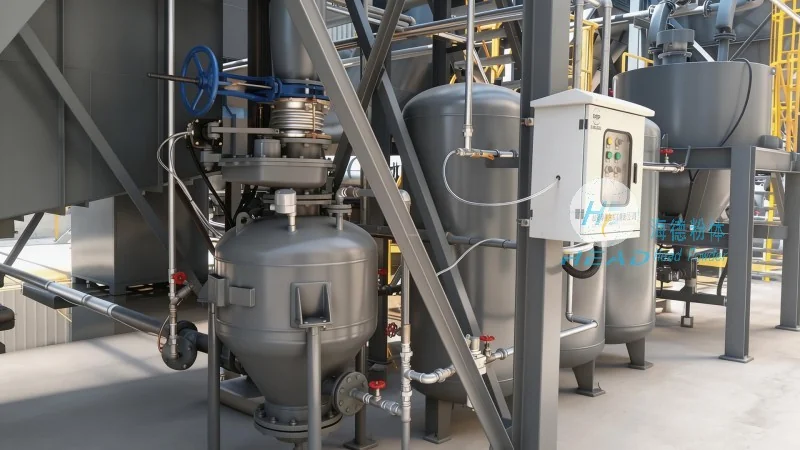
HeadPowder, a leading provider in the field, specializes in engineering solutions tailored to the needs of the chemical and mining sectors. With a strong commitment to innovation and quality, the company has established itself as a trusted partner for businesses requiring reliable material handling systems. HeadPowder Engineering Co., Ltd. is headquartered in Shandong, China, and serves clients globally with expertise in pneumatic conveying technologies.
Key Considerations in Pneumatic Conveying Systems
When designing a pneumatic conveying system for cobalt hydroxide, several factors must be carefully evaluated. The particle size, moisture content, and bulk density of the material are critical parameters that influence system performance. Additionally, the choice between positive and negative pressure systems, as well as the selection of appropriate pipeline materials and air flow rates, are essential decisions. Proper system design ensures optimal efficiency and minimizes operational issues such as blockages or material degradation.
Positive Pressure Conveying Systems
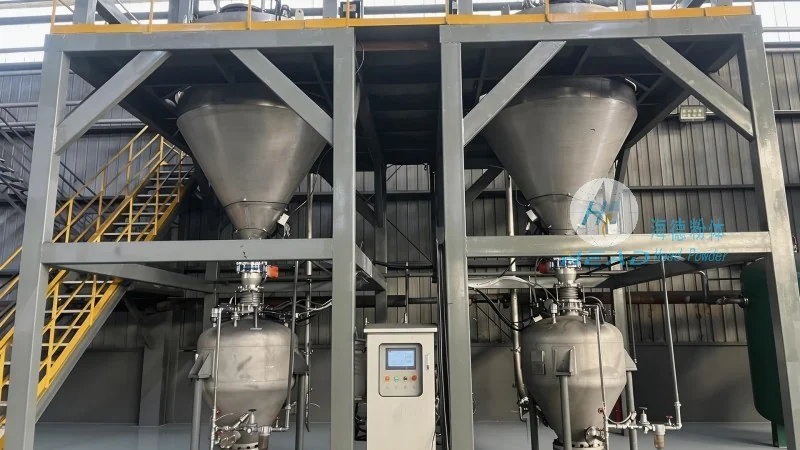
Positive pressure systems utilize a blower or compressor to generate air pressure that propels the material through the pipeline. This method is particularly effective for conveying fine powders like cobalt hydroxide, as it maintains consistent air flow and prevents material segregation. The system typically includes a hopper, a rotary valve, and a pipeline network leading to the discharge point. Positive pressure conveying is often preferred in applications where the material is sensitive to moisture or where long-distance transport is required.
Negative Pressure (Vacuum) Conveying Systems
Negative pressure systems, on the other hand, use a vacuum pump to create a low-pressure environment that draws the material into the pipeline. This approach is suitable for short-distance conveying and for materials that are less prone to dust generation. The system consists of a hopper, a suction nozzle, and a pipeline that connects to the vacuum source. Negative pressure conveying is advantageous in environments where dust control is a priority, as the system operates under reduced pressure, limiting the release of airborne particles.
Hybrid Conveying Systems
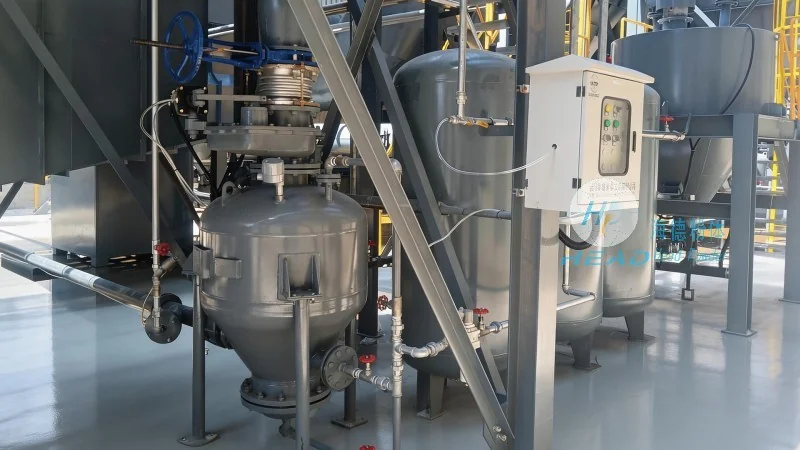
Hybrid systems combine elements of both positive and negative pressure methods to achieve optimal performance. These systems often use a combination of blowers and vacuum pumps to manage different segments of the conveying line. For instance, a positive pressure section may be used for the initial transport from the source to a central collection point, while a negative pressure section handles the final delivery to the processing unit. Hybrid systems are particularly useful in complex layouts where varying distances and elevation changes are present.
Material Handling Equipment and Components
The success of a pneumatic conveying system for cobalt hydroxide depends heavily on the quality of its components. Key equipment includes hoppers with proper aeration to prevent material bridging, rotary valves for controlled material discharge, and pipeline systems made from materials resistant to corrosion and abrasion. Air filters and moisture separators are also essential to maintain air quality and prevent system blockages. HeadPowder Engineering Co., Ltd. offers a range of high-quality components designed specifically for handling cobalt hydroxide, ensuring durability and reliability in demanding industrial environments.
System Design and Installation
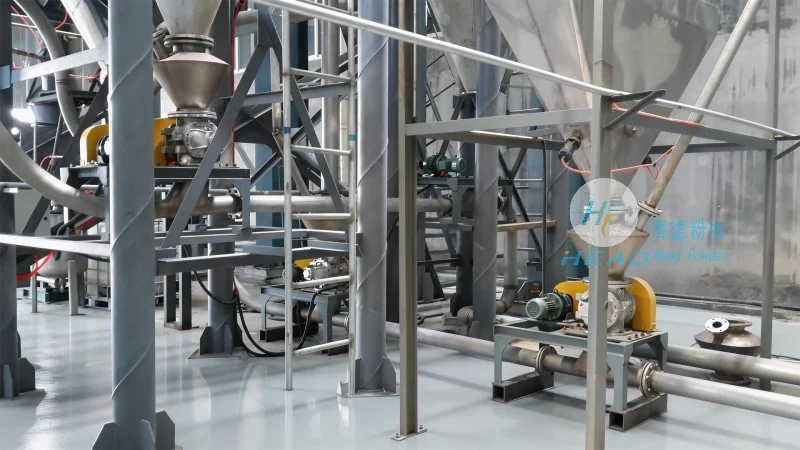
Proper system design and installation are critical to the long-term performance of pneumatic conveying systems. Engineers at HeadPowder conduct thorough site assessments to determine the optimal layout, air flow rates, and equipment specifications. The design process considers factors such as material properties, conveying distance, and operational requirements to ensure the system meets the client's needs. Installation involves careful alignment of pipelines, proper sealing of joints, and thorough testing to verify system efficiency and safety. HeadPowder's experienced team ensures that each installation is completed to the highest standards, minimizing downtime and maximizing operational efficiency.
Maintenance and Operational Best Practices
Regular maintenance is essential to keep pneumatic conveying systems for cobalt hydroxide running smoothly. This includes routine checks of air filters, inspection of pipeline integrity, and cleaning of components to prevent clogging. Operators should follow best practices such as monitoring air pressure and flow rates, and performing preventive maintenance as recommended by the manufacturer. By adhering to these practices, businesses can extend the lifespan of their equipment and reduce the risk of costly breakdowns. HeadPowder provides comprehensive maintenance services and technical support to help clients maintain their systems in optimal condition.




