For industrial applications involving the handling of dry ash, efficient and reliable material transport is crucial. The dry ash pneumatic conveying system represents a sophisticated solution designed to meet these demands, offering a method for transporting dry powders and fine particles over long distances with minimal loss and contamination. This article provides an overview of the dry ash pneumatic conveying system, detailing its structural components and the underlying principles that enable its operation.
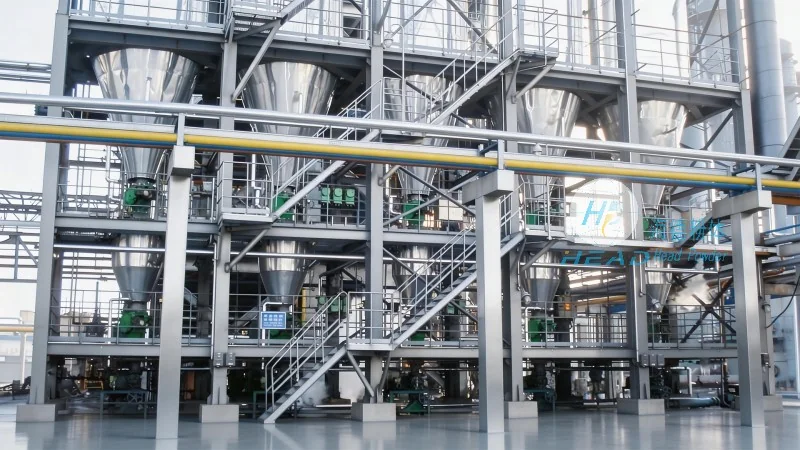
Key Components of the Dry Ash Pneumatic Conveying System
The dry ash pneumatic conveying system comprises several critical components that work in concert to facilitate the transport of dry ash. The primary elements include the hopper, which serves as the storage and feeding unit, the conveyor itself, which may be of the positive or negative pressure type, and the control and monitoring systems that ensure optimal performance. The hopper is typically equipped with a feeding mechanism, such as a rotary valve or a screw feeder, which regulates the flow of dry ash into the conveyor. This feeding mechanism is essential for maintaining a consistent material flow rate, preventing blockages, and ensuring smooth operation of the system.
The conveyor, the core of the system, is responsible for transporting the dry ash from the source to the destination. There are two main types of pneumatic conveyors used in this application: positive pressure systems and negative pressure systems. Positive pressure systems operate by blowing air into the conveyor line, creating a pressure higher than the ambient air, which propels the dry ash forward. Negative pressure systems, on the other hand, create a vacuum in the line, drawing the dry ash from the source. The choice between these systems depends on factors such as the distance to be covered, the material characteristics, and the environmental considerations. In the case of dry ash, the system is often designed as a positive pressure conveyor due to its ability to handle abrasive materials and maintain a consistent flow.
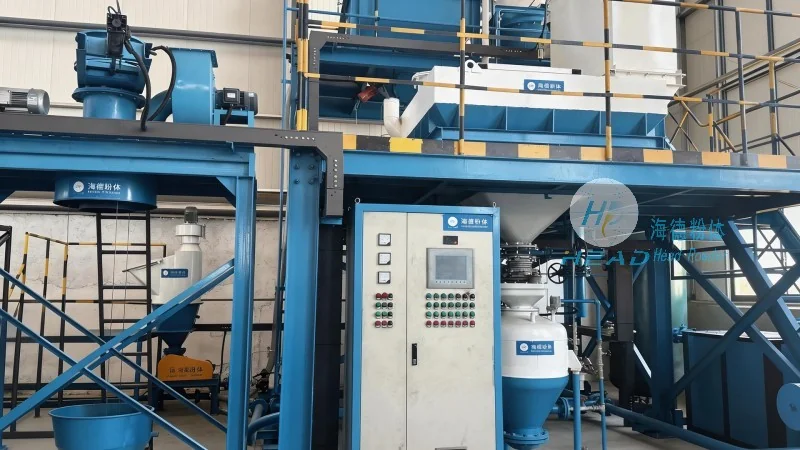
Other essential components include the air compressor or blower, which provides the necessary air pressure, and the filter system, which removes dust and particulates from the exhaust air. The filter is crucial for maintaining air quality and preventing the release of fine particles into the environment. Additionally, the system may include a silencer to reduce noise levels, a pressure regulator to control the air pressure, and a control panel that allows operators to monitor and adjust the system parameters in real-time. These components collectively ensure the efficient and safe operation of the dry ash pneumatic conveying system.
Working Principles of the Dry Ash Pneumatic Conveying System
The operation of the dry ash pneumatic conveying system is based on the principles of fluid dynamics and particle transport. When the feeding mechanism introduces dry ash into the conveyor line, the air from the compressor is introduced simultaneously. In a positive pressure system, the air is forced into the line, creating a pressure gradient that pushes the dry ash particles forward. The air and dry ash mixture travels through the pipeline at a high velocity, ensuring that the particles are kept in suspension and transported efficiently. The velocity of the air is critical; it must be sufficient to keep the particles suspended but not so high as to cause excessive wear on the system components.
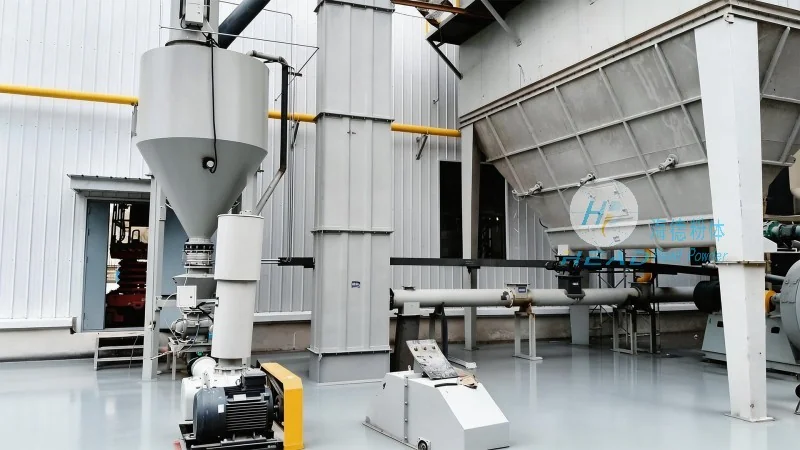
In a negative pressure system, the air is drawn from the line, creating a vacuum that pulls the dry ash particles from the hopper. The air flow rate is carefully controlled to maintain a consistent velocity, ensuring that the particles are not deposited prematurely in the line. The system may also include a cyclone separator at the receiving end, which separates the dry ash from the air stream, allowing the ash to be collected in a container while the air is filtered and discharged. This separation process is essential for recovering the material and preventing loss.
The control system plays a vital role in maintaining the optimal operation of the dry ash pneumatic conveying system. It monitors parameters such as air pressure, flow rate, and material level, and adjusts the system settings as needed to ensure consistent performance. For example, if the material level in the hopper decreases, the control system may increase the feeding rate to maintain a steady flow. Similarly, if the air pressure drops, the system may adjust the compressor speed to maintain the required pressure. This feedback mechanism ensures that the system operates efficiently and reliably, minimizing downtime and maximizing material throughput.
About Shandong HeadPowder Engineering Co., Ltd.
Shandong HeadPowder Engineering Co., Ltd., operating under the brand name headpowder, is a leading manufacturer and supplier of industrial conveying systems, including dry ash pneumatic conveying solutions. With a strong commitment to quality and innovation, the company specializes in designing and manufacturing customized conveying systems tailored to the specific needs of its clients. The company's products are known for their durability, efficiency, and reliability, making them suitable for a wide range of industrial applications, from power plants to waste management facilities.
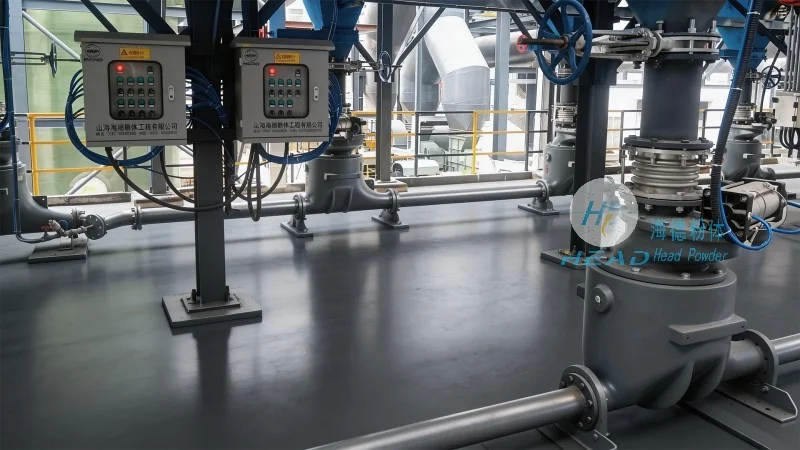
HeadPowder Engineering Co., Ltd. is headquartered in Shandong, China, and has a team of experienced engineers and technicians who are dedicated to providing excellent customer service and support. The company adheres to strict quality control standards and uses advanced manufacturing techniques to ensure that its products meet the highest industry standards. Additionally, the company offers comprehensive after-sales services, including installation, maintenance, and technical support, to ensure that its clients can maximize the performance and lifespan of their conveying systems.
With a focus on research and development, HeadPowder Engineering Co., Ltd. continuously improves its products to meet the evolving needs of the industry. The company invests in new technologies and materials to enhance the efficiency and sustainability of its conveying systems. By leveraging its expertise and experience, the company aims to provide its clients with the best possible solutions for their material handling needs, contributing to the overall efficiency and sustainability of industrial operations.




