When designing a pneumatic conveying system for ferrous sulfate, several critical design points must be considered to ensure efficiency, reliability, and cost-effectiveness. This article outlines key considerations for engineers and project managers involved in the planning and implementation of such systems.
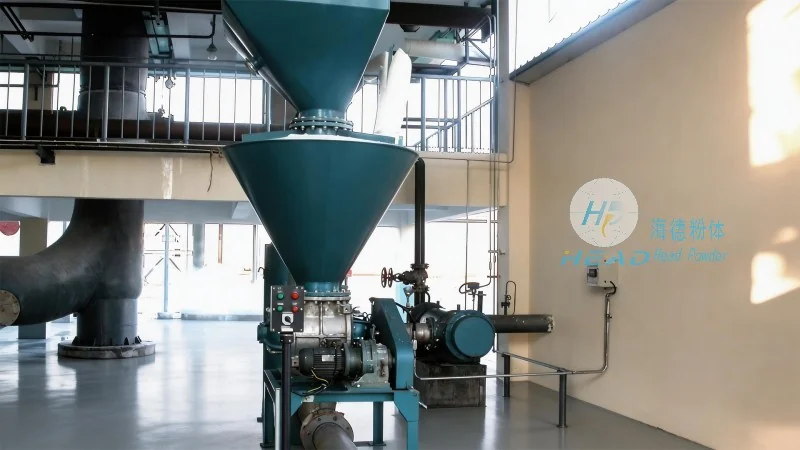
Understanding the Core Requirements of Ferrous Sulfate Pneumatic Conveying
Ferrous sulfate, commonly used in water treatment, agriculture, and industrial processes, requires specialized handling due to its chemical properties and physical characteristics. Pneumatic conveying offers a non-contact, low-maintenance method to transport this material from storage to processing units. The success of the system hinges on proper selection of components, material flow analysis, and adherence to safety standards.
Key Design Considerations for System Components
1. **Conveying Line Sizing and Material Flow Analysis**: The diameter and length of the conveying line are determined by the material's bulk density, particle size distribution, and the required flow rate. For ferrous sulfate, which typically has a bulk density of 1.5-2.0 g/cm³, a thorough material flow analysis is essential to avoid blockages or excessive pressure drops. The system must be designed to handle the specific flow rates needed for the application, ensuring that the line size is neither too small (leading to pressure buildup) nor too large (increasing energy consumption).
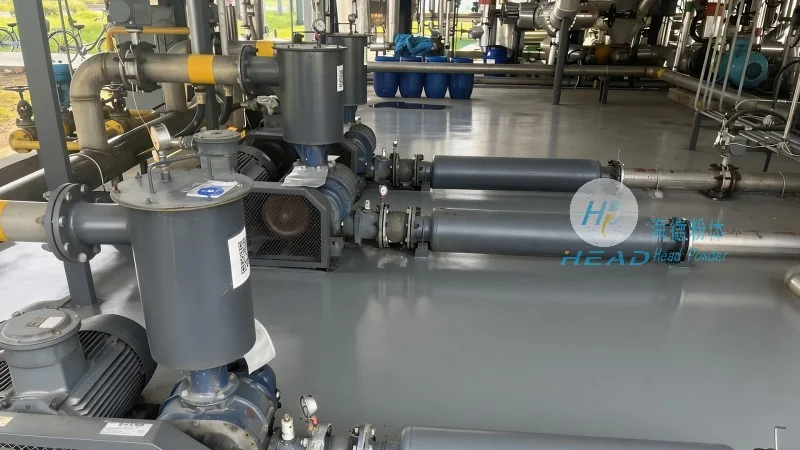
2. **Airflow and Pressure Management**: The air velocity in the conveying line must be sufficient to lift and transport the ferrous sulfate particles. A minimum air velocity of 20-25 m/s is often recommended for fine powders like ferrous sulfate to prevent deposition. The pressure drop across the system is a critical factor, as it directly impacts energy consumption. Proper pressure management ensures that the system operates within optimal energy efficiency while maintaining material transport.
3. **Material Handling Equipment Selection**: The choice of equipment such as feeders, cyclones, and receivers is crucial. For ferrous sulfate, which can be abrasive, equipment made from corrosion-resistant materials like stainless steel or special alloys is recommended to prevent wear and maintain material purity. The feeder must be capable of providing a consistent flow rate, as fluctuations can lead to system instability. Cyclones are commonly used for separation and collection, and their design must match the particle size and density of ferrous sulfate to ensure efficient separation.
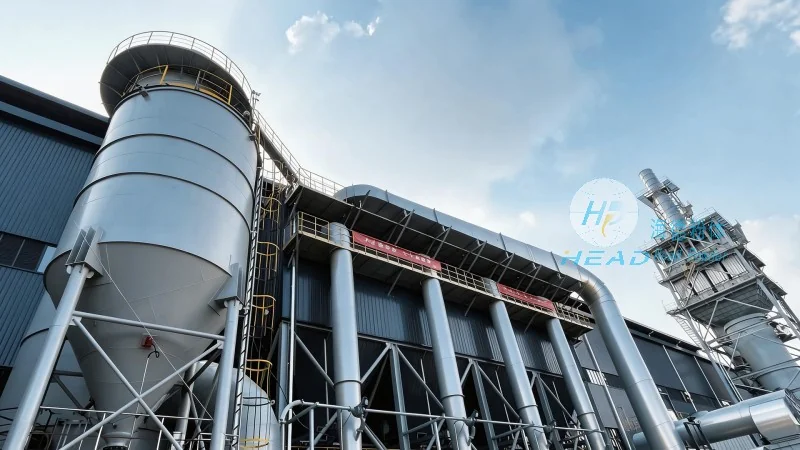
System Integration and Safety Measures
Integrating the pneumatic conveying system with existing infrastructure requires careful planning to avoid interference with other processes. Safety measures are paramount, as ferrous sulfate is a chemical substance that requires handling in compliance with industrial safety regulations. The system must include features such as pressure relief valves, dust collection systems, and emergency shut-off mechanisms to prevent accidents and ensure worker safety.
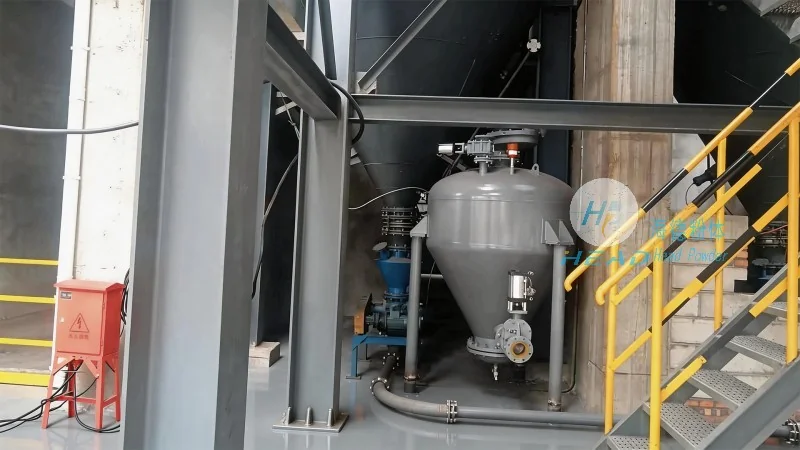
Energy Efficiency and Maintenance Strategies
Optimizing energy consumption is a key consideration in modern system design. Using high-efficiency blowers and minimizing pressure drop through proper line sizing can significantly reduce operational costs. Regular maintenance is essential to ensure the system's longevity and performance. This includes cleaning the conveying line, replacing worn parts, and monitoring system performance to detect issues early.
About Shandong HeadPowder Engineering Co., Ltd.
Shandong HeadPowder Engineering Co., Ltd., operating under the brand name headpowder, is a leading provider of engineering solutions for material handling systems. With a focus on innovation and customer satisfaction, the company specializes in designing and manufacturing pneumatic conveying systems tailored to the needs of various industries. Headpowder's team of experienced engineers brings expertise in material science and mechanical engineering to deliver reliable and efficient solutions for clients worldwide.




