HeadPowder, a leading manufacturer based in Shandong, China, specializes in the design, production, and installation of advanced pneumatic conveying systems tailored for the sugar industry. This article provides an in-depth overview of sugar pneumatic conveying lines, focusing on their structural design and operational principles to help clients understand the technology's benefits and applications.
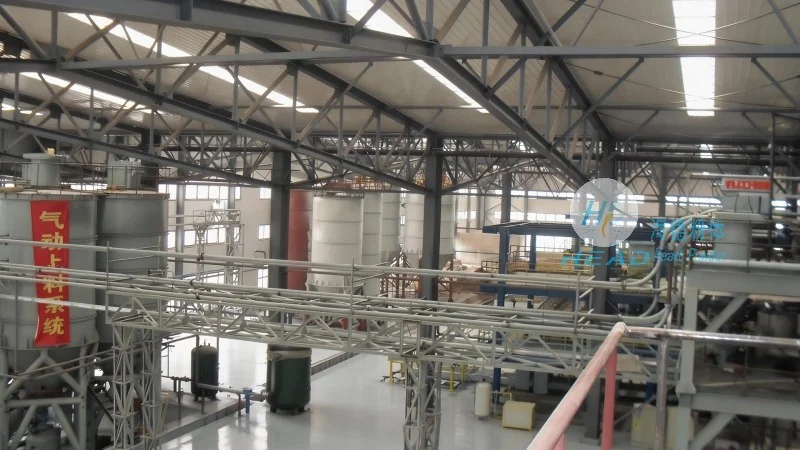
Overview of Sugar Pneumatic Conveying Systems
Sugar pneumatic conveying systems are engineered to efficiently transport granular or powdered sugar from one location to another within a processing facility. Unlike traditional mechanical conveyors, these systems utilize air or gas as the primary medium to move the material, offering advantages such as reduced equipment wear, lower maintenance costs, and the ability to handle sensitive materials without degradation. The systems are widely adopted in sugar refineries, processing plants, and storage facilities due to their flexibility and adaptability to various production scales.
Core Components and Structural Design
The structure of a sugar pneumatic conveying system typically consists of several key components that work in tandem to ensure smooth material transport. These components include the material feed hopper, the air supply system (blowers or compressors), the conveying pipeline, the control valves, and the discharge hopper. Each component is designed with precision to handle the specific characteristics of sugar, such as its granular size, moisture content, and flowability.
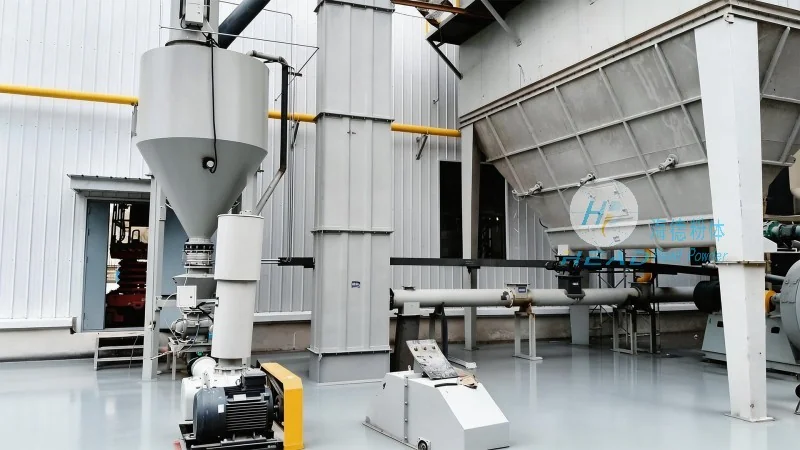
The material feed hopper is a critical part of the system, responsible for storing and feeding the sugar into the conveying line. It is equipped with a feeding mechanism, such as a rotary valve or a screw feeder, which regulates the flow of sugar into the pipeline. The air supply system provides the necessary pressure and volume of air to move the sugar particles through the pipeline. This system may include a blower or a compressor, depending on the system's capacity and the required air pressure. The conveying pipeline is made of durable materials, such as stainless steel or food-grade plastic, to prevent contamination and ensure long-term performance. The control valves, including airlocks and check valves, regulate the flow of air and material, preventing backflow and ensuring safe operation. The discharge hopper collects the sugar at the end of the conveying line, allowing for further processing or storage.
Working Principles of Pneumatic Conveying
The working principle of a sugar pneumatic conveying system is based on the principle of fluidization and suspension. When air is introduced into the conveying pipeline at a high velocity, it creates a low-pressure zone that draws the sugar particles into the air stream. The particles are then suspended in the air and transported through the pipeline to the discharge point. The system operates in either positive pressure or negative pressure mode, depending on the application. In positive pressure systems, air is blown into the pipeline, pushing the material forward. In negative pressure systems, air is drawn out of the pipeline, creating a vacuum that pulls the material. The choice between positive and negative pressure depends on factors such as the distance to be covered, the material's characteristics, and the system's capacity.
Technical Advantages and Applications
Sugar pneumatic conveying systems offer several technical advantages that make them ideal for the sugar industry. These advantages include high efficiency in material transport, reduced product contamination, lower energy consumption compared to mechanical conveyors, and the ability to handle a wide range of sugar types, from raw sugar to refined white sugar. The systems are also flexible and can be easily integrated into existing production lines, allowing for seamless upgrades or modifications. In addition, the systems are designed to meet stringent hygiene standards, making them suitable for food processing environments.
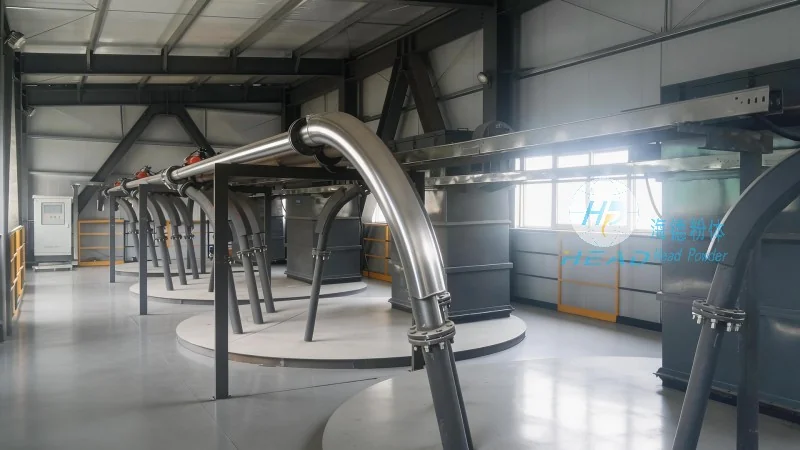
HeadPowder's sugar pneumatic conveying systems are widely used in various applications within the sugar industry. These include transporting raw sugar from storage silos to processing equipment, conveying refined sugar from the refinery to packaging lines, and moving sugar products between different processing stages. The systems are also used in bulk handling operations, such as loading and unloading sugar from trucks or ships. The adaptability of these systems makes them suitable for both small-scale and large-scale production facilities, ensuring that clients can find a solution that meets their specific needs.
Conclusion
Sugar pneumatic conveying systems are a vital component of modern sugar processing facilities, offering efficient, reliable, and hygienic material transport solutions. HeadPowder, with its expertise in engineering and manufacturing, provides high-quality systems that are tailored to the unique requirements of the sugar industry. By understanding the structural design and working principles of these systems, clients can make informed decisions about their material handling needs and optimize their production processes. The continued advancement of pneumatic conveying technology ensures that these systems will remain a key part of the sugar industry's future, supporting the efficient and sustainable production of sugar products.




