Mineral sand pneumatic conveying systems are critical in modern industrial operations, particularly in the processing and transportation of fine to medium-sized mineral particles. These systems offer a highly efficient and flexible method for moving materials like sand, gravel, and other mineral powders over long distances without the need for traditional mechanical components such as belts or buckets. The technology behind these systems is based on the principles of fluidization and particle suspension, which enable the material to be transported through a pipeline using a pressurized air or gas stream. This advanced solution is provided by Shandong HeadPowder Engineering Co., Ltd., a leading manufacturer specializing in bulk material handling equipment.
Overview of Mineral Sand Pneumatic Conveying Systems
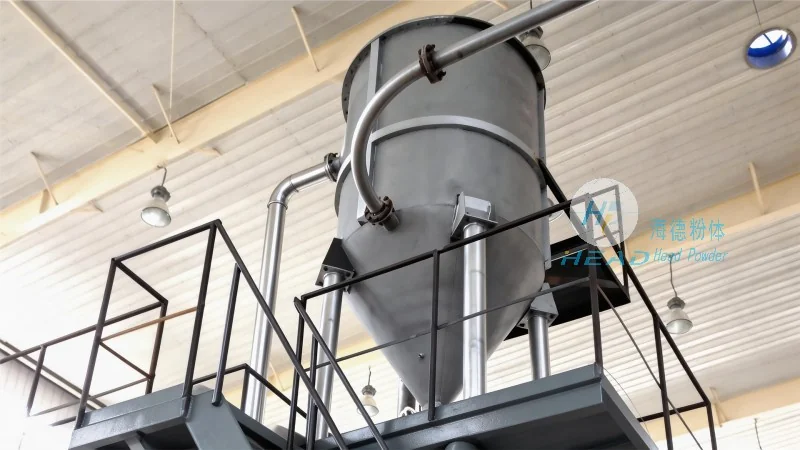
At the core of a mineral sand pneumatic conveying system is the ability to transport bulk materials through a closed pipeline network. The system typically consists of a material feed hopper, a conveying line, and a discharge unit. The feed hopper is designed to store and meter the mineral sand, ensuring a consistent flow into the system. It often includes a rotary valve or a screw feeder to regulate the flow of material into the conveying line. The conveying line, often made of stainless steel or other corrosion-resistant materials, is the main pathway for the material and air mixture. The discharge unit then separates the material from the air, allowing the sand to be deposited at the desired location. The entire system is engineered to minimize material loss and prevent contamination, making it ideal for applications where material purity is paramount.
Key Components and Their Functions
The effectiveness of a mineral sand pneumatic conveying system relies on several key components, each playing a vital role in the overall operation. The material feed hopper is responsible for storing the mineral sand and controlling the feed rate. It often includes a rotary valve or a screw feeder to regulate the flow of material into the conveying line. The conveying line itself is where the material is suspended and transported by the air stream. The air compressor or blower provides the necessary pressure to move the material through the pipeline. The air filter and separator are crucial for maintaining system efficiency and preventing material buildup in the air handling equipment. Each component is carefully selected and designed to ensure optimal performance and longevity of the system.
Working Principle of Pneumatic Conveying
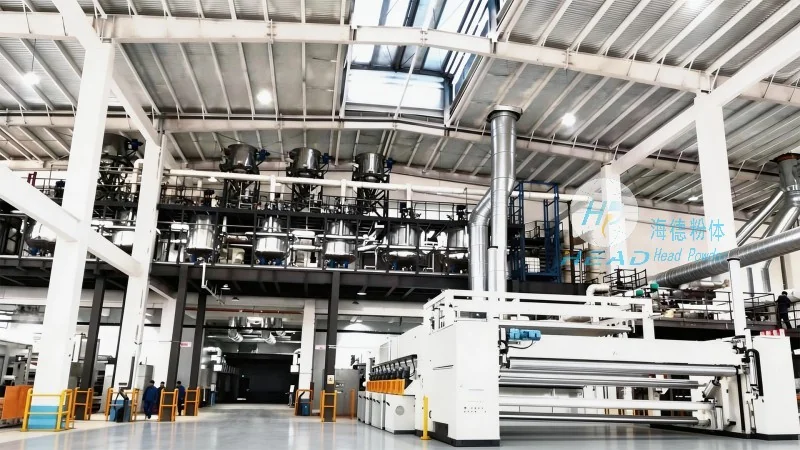
The working principle of a mineral sand pneumatic conveying system is based on the creation of a dense phase or dilute phase flow. In a dense phase system, the material is transported in a compacted form, reducing the risk of particle degradation and system wear. The air velocity is lower, and the material is carried in a slurry-like state. In contrast, a dilute phase system uses higher air velocities to suspend the material in a more dispersed state, suitable for longer distances and higher flow rates. The system operates by introducing the mineral sand into the conveying line at a controlled rate, then injecting compressed air to create a flow that lifts and transports the particles. The air and material mixture travels through the pipeline until it reaches the discharge point, where a separator or cyclone separates the sand from the air, allowing the sand to be collected and the air to be recycled or vented. The choice between dense and dilute phase depends on the specific application requirements, such as material characteristics, distance, and desired flow rate.
Advantages of Mineral Sand Pneumatic Conveying
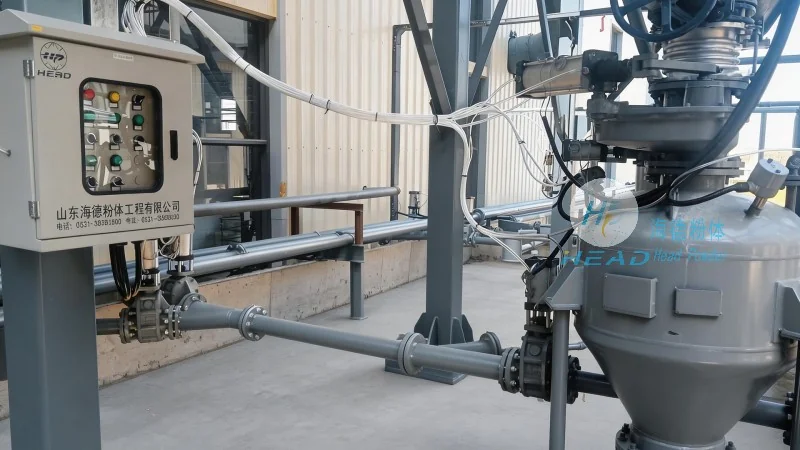
Mineral sand pneumatic conveying systems offer several advantages over traditional mechanical conveying methods. One of the primary benefits is the ability to transport materials in a closed system, which helps prevent dust contamination and environmental pollution. This is particularly important for mineral sands, which may contain fine particles that can be hazardous if released into the air. Additionally, the system is highly flexible, allowing for changes in the conveying route or capacity without major modifications. The equipment is also relatively compact, reducing the footprint required for installation. Furthermore, pneumatic conveying systems can handle a wide range of material sizes and shapes, making them suitable for various industrial applications. The closed system design also reduces the risk of material spillage and improves workplace safety.
Applications in Industrial Settings
Mineral sand pneumatic conveying systems are widely used in various industrial sectors, including mining, construction, and manufacturing. In the mining industry, these systems are used to transport mined sand from processing plants to storage facilities or for further processing. In construction, they are employed to move sand from stockpiles to concrete mixing plants or other construction sites. In manufacturing, they are used in the production of ceramics, glass, and other mineral-based products, where precise control over material flow is essential. The systems are also used in environmental applications, such as the transport of sand for erosion control or in the treatment of industrial waste. The versatility of these systems makes them a preferred choice for industries that require reliable and efficient material handling solutions.




