HeadPowder, a leading engineering company based in Shandong, China, specializes in the design and manufacturing of advanced pneumatic conveying systems. This article provides an overview of the magnesium hydroxide pneumatic conveying system, detailing its structural components and operational principles to help clients understand its functionality and benefits.
Company Profile and Background
HeadPowder Engineering Co., Ltd. is a professional manufacturer and supplier of industrial conveying equipment. With a strong focus on innovation and quality, the company has established itself as a trusted partner in the chemical and material handling industries. HeadPowder's expertise lies in developing customized solutions that meet the specific needs of clients, ensuring efficient and reliable material transport. The company's headquarters is located in Shandong, China, where it operates a state-of-the-art research and development center, manufacturing facility, and customer service team.
Overview of Magnesium Hydroxide Pneumatic Conveying System
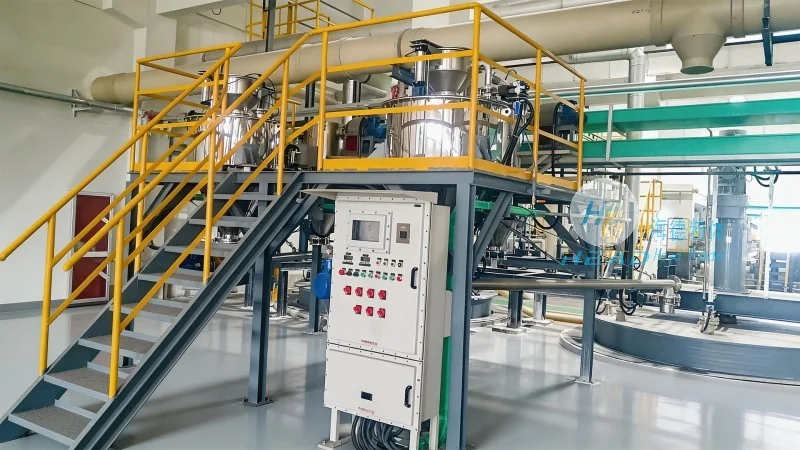
The magnesium hydroxide pneumatic conveying system is a specialized equipment designed for the safe and efficient transport of magnesium hydroxide powder. This system utilizes air as the conveying medium to move the material from the source to the destination, eliminating the need for mechanical components that may cause contamination or wear. The system is particularly suitable for handling fine powders like magnesium hydroxide, which are prone to caking or agglomeration under certain conditions.
Key Structural Components of the System
The magnesium hydroxide pneumatic conveying system consists of several critical components that work in tandem to ensure smooth operation. These components include the material hopper, feeder, air compressor, conveying line, and receiver. Each component plays a vital role in the overall functionality of the system.
Material Hopper
The material hopper is the initial storage unit where magnesium hydroxide powder is stored before being fed into the system. It is designed with a large capacity to accommodate bulk quantities of material, ensuring a continuous supply for the conveying process. The hopper is equipped with a level indicator to monitor the material level, and a discharge valve to control the flow rate. The design of the hopper minimizes material degradation and prevents caking by maintaining a consistent flow of powder.
Feeder and Air Lock
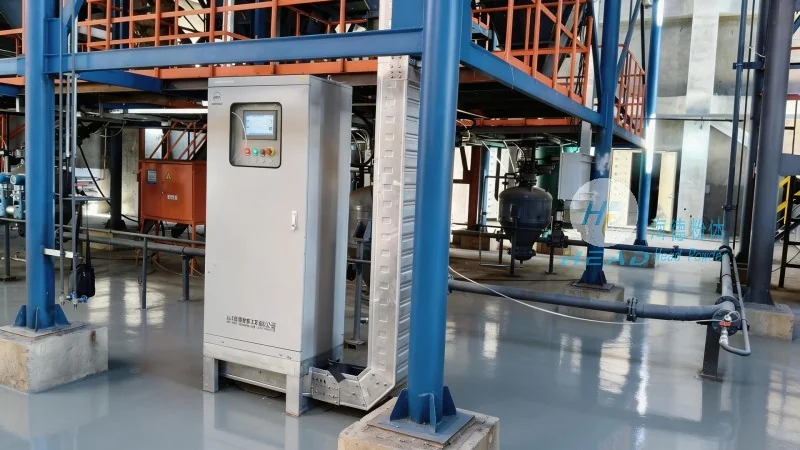
The feeder and air lock are crucial components that regulate the flow of magnesium hydroxide from the hopper to the conveying line. The feeder, typically a rotary valve or a screw feeder, controls the quantity of material released into the system. The air lock, positioned downstream of the feeder, acts as a seal to prevent air leakage and maintain the pressure within the system. This component ensures that the material is conveyed in a controlled manner, avoiding any fluctuations in flow rate.
Air Compressor and Conveying Line
The air compressor is responsible for generating the necessary air pressure to move the magnesium hydroxide powder through the conveying line. It is equipped with a filter and dryer to ensure that the air is clean and dry, preventing any moisture or contaminants from affecting the material. The conveying line is made of high-quality materials, such as stainless steel or polyethylene, to withstand the abrasive nature of the magnesium hydroxide powder and resist corrosion. The line is also equipped with pressure sensors and flow meters to monitor the system's performance and detect any issues in real-time.
Receiver and Dust Collection System
The receiver is the final destination where the magnesium hydroxide powder is deposited after being conveyed through the system. It is designed with a large capacity to accommodate the received material and is equipped with a discharge valve to control the outflow. The receiver is also connected to a dust collection system, which captures any fine particles that may escape during the conveying process. This system helps to maintain a clean and safe working environment by preventing dust pollution and ensuring compliance with environmental regulations.
Working Principle of the Pneumatic Conveying System
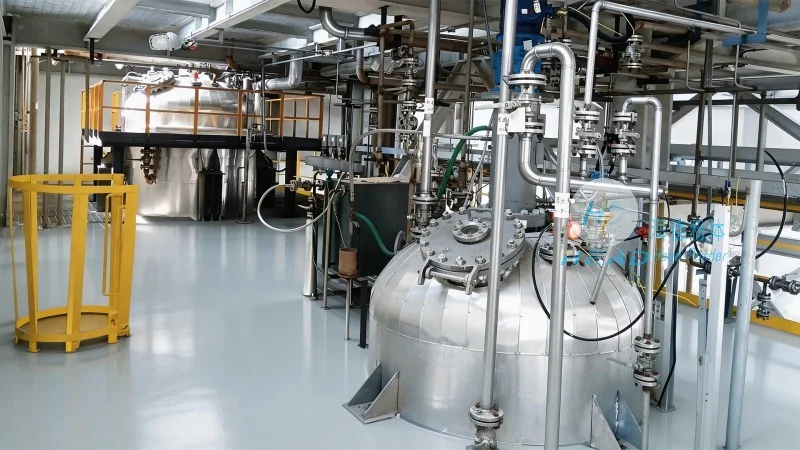
The operation of the magnesium hydroxide pneumatic conveying system is based on the principle of air flow and pressure differentials. The air compressor generates high-pressure air, which is then introduced into the conveying line. The air flows through the line, creating a negative pressure at the material hopper end. This pressure difference causes the magnesium hydroxide powder to be drawn into the line along with the air stream. The powder is then transported to the receiver, where the air is released and the material is deposited.
Advantages of Magnesium Hydroxide Pneumatic Conveying System
The magnesium hydroxide pneumatic conveying system offers several advantages over traditional mechanical conveying methods. Firstly, it eliminates the need for mechanical components such as belts, chains, or screws, reducing the risk of contamination and wear. Secondly, it provides a more hygienic and clean environment, as the material is conveyed in a closed system, preventing dust exposure. Thirdly, the system is highly efficient, with minimal energy consumption and low maintenance costs. Additionally, it allows for the transport of materials over long distances without the need for intermediate storage or handling.
Applications and Industries
The magnesium hydroxide pneumatic conveying system is widely used in various industries that handle fine powders, including chemical manufacturing, pharmaceuticals, food processing, and mining. In the chemical industry, it is used to transport magnesium hydroxide for the production of fire retardants, coatings, and other industrial products. In the pharmaceutical industry, it is used to convey magnesium hydroxide for the manufacturing of medications and supplements. The system's ability to handle fine powders makes it an ideal choice for industries where material purity and consistency are critical.
Conclusion
HeadPowder Engineering Co., Ltd. provides a reliable and efficient magnesium hydroxide pneumatic conveying system that meets the needs of various industries. The system's advanced design and components ensure smooth operation, minimal maintenance, and high material throughput. With its headquarters in Shandong, China, HeadPowder continues to innovate and provide customized solutions to its clients, helping them achieve their production goals while maintaining safety and environmental standards.




