Introduction to Sodium Bicarbonate Pneumatic Conveying Systems: Structure and Working Principles
Release time:2026-09-21 23:01:52
name of the company:Shandong Headpowder Engineering Co., Ltd.
telephone:156-6277-7102
contacts:Zhang manager
Sodium bicarbonate, also known as baking soda, is a widely used chemical compound in various industries, including food processing, pharmaceuticals, and chemical manufacturing. The efficient and reliable transport of this material from one location to another is crucial for maintaining production efficiency and product quality. Pneumatic conveying systems have emerged as a preferred method for handling sodium bicarbonate due to their ability to transport dry powders in a dust-free and controlled manner. This article provides an overview of sodium bicarbonate pneumatic conveying systems, focusing on their structure and working principles.
Key Components of a Pneumatic Conveying System for Sodium Bicarbonate
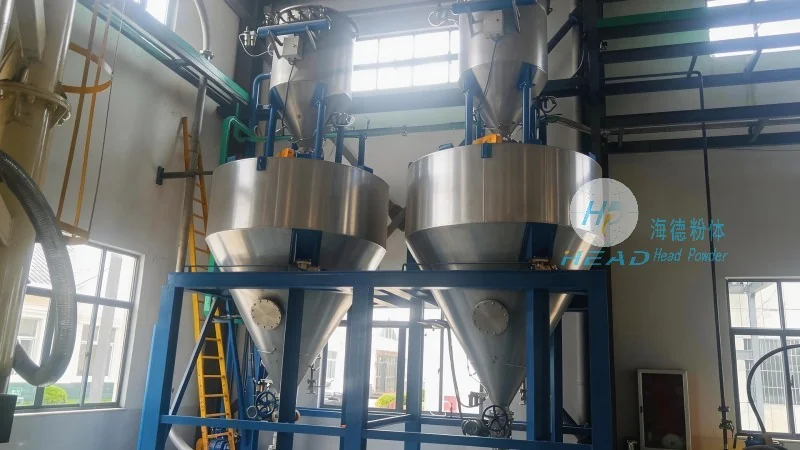
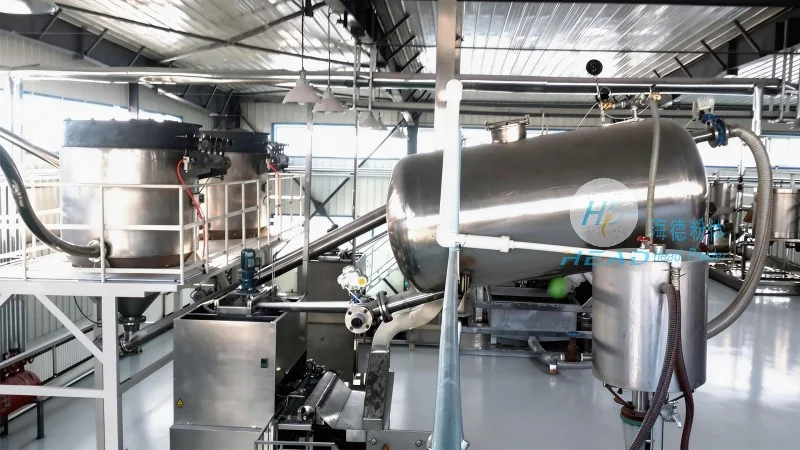
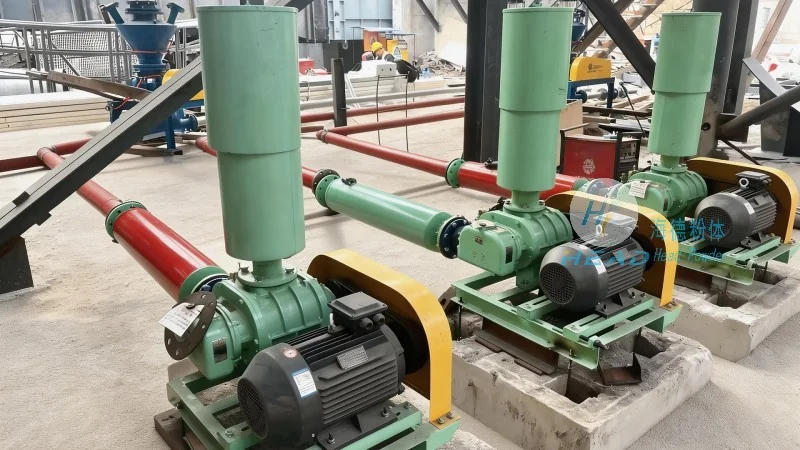
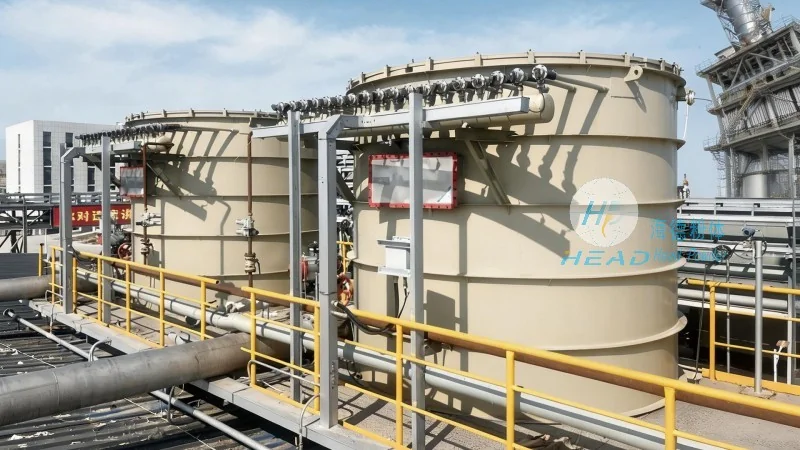
A typical pneumatic conveying system for sodium bicarbonate consists of several key components that work in tandem to ensure smooth material transport. The primary components include a hopper or feeder for material storage and feeding, a conveyor line (either positive or negative pressure), a filter system to capture and return any escaped particles, and a receiver or discharge unit for the final delivery of the material. The hopper is designed to hold a sufficient quantity of sodium bicarbonate, ensuring a continuous feed to the conveyor system. It often features a rotating or vibrating mechanism to prevent material bridging and ensure consistent flow. The feeder, usually a rotary valve or a screw conveyor, regulates the amount of material entering the conveyor line, maintaining a stable flow rate. The conveyor line itself is the core of the system, where compressed air or vacuum is used to move the sodium bicarbonate particles through the pipeline. Positive pressure systems use compressed air to push the material forward, while negative pressure systems use suction to draw the material through the line. The filter system is critical for maintaining a clean environment and preventing dust contamination, as sodium bicarbonate is a fine powder that can easily become airborne. It typically consists of a cyclone separator and a bag filter, which trap the particles and return them to the system. The receiver or discharge unit is where the material is deposited at its final destination, such as a storage silo or a processing unit. It is designed to handle the material without causing blockages or spillage.




