HeadPowder, a leading engineering company based in Shandong, China, specializes in the design and manufacturing of advanced pneumatic conveying systems. This article provides an overview of the Algae Residue Pellet Pneumatic Conveying System, detailing its structural components and operational principles.
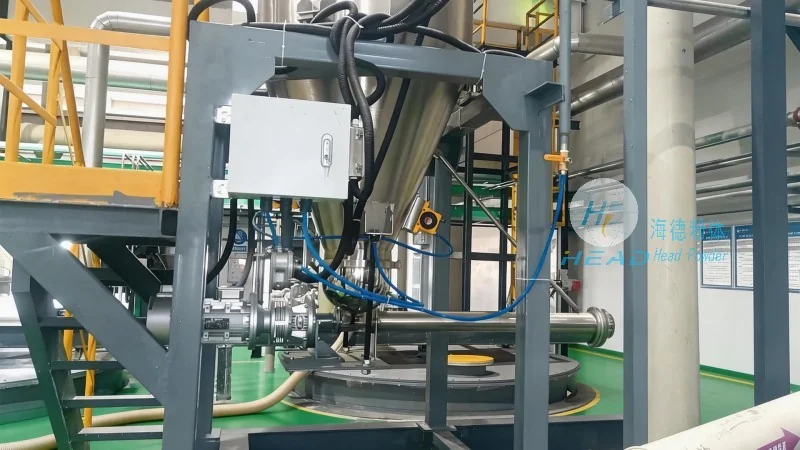
Overview of the Algae Residue Pellet Pneumatic Conveying System
The Algae Residue Pellet Pneumatic Conveying System is engineered to efficiently transport algae residue pellets, a byproduct commonly generated in algae cultivation processes. This system is particularly valuable for industries involved in biofuel production, wastewater treatment, or agricultural applications where algae biomass is processed. The system’s design focuses on minimizing material loss, ensuring consistent flow rates, and maintaining the integrity of the pellets during transport.
Key Structural Components of the Pneumatic Conveying System
The system comprises several critical components that work in tandem to achieve effective material transport. These include the hopper for material storage, the feeder to control the discharge rate, the conveying pipeline, the air compressor to generate the necessary airflow, and the dust collector to manage airborne particles. Each component is meticulously designed to handle the specific characteristics of algae residue pellets, such as their size, moisture content, and density.
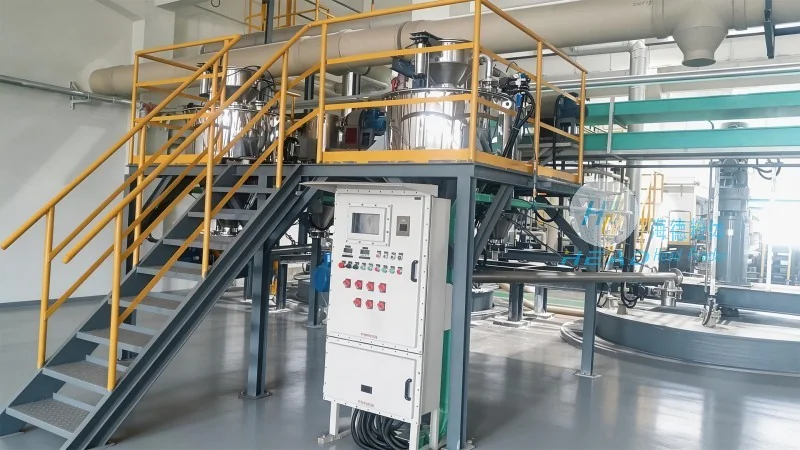
Working Principle of the Pneumatic Conveying Process
The operation of the system begins with the loading of algae residue pellets into the hopper. The feeder then regulates the flow of pellets into the conveying pipeline, where they are entrained by the high-velocity air stream generated by the air compressor. As the pellets travel through the pipeline, they are suspended and transported to the destination point. The air, carrying the pellets, is then filtered by the dust collector, which separates the solid particles from the air, ensuring clean exhaust and preventing environmental contamination.
Advantages of the Algae Residue Pellet Pneumatic Conveying System
Implementing this system offers several benefits for industrial operations. Firstly, it eliminates the need for traditional bulk handling methods, such as trucks or conveyor belts, which can be inefficient and costly. The pneumatic system allows for seamless integration with existing processing lines, reducing downtime and increasing overall productivity. Additionally, the system minimizes material degradation, as the pellets are handled gently and remain dry throughout the transport process. This helps maintain the quality of the algae residue, which is crucial for downstream applications like biofuel production or composting.
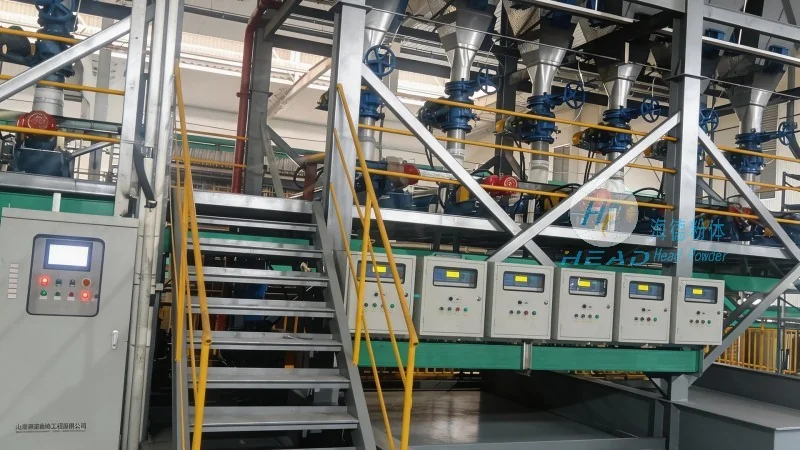
Application Scenarios
The Algae Residue Pellet Pneumatic Conveying System is suitable for a variety of industrial applications. It is commonly used in biofuel refineries to transport algae-derived pellets from processing units to storage facilities or to downstream processing equipment. In wastewater treatment plants, the system can efficiently convey algae biomass from settling tanks to composting or drying units. Agricultural operations may also utilize this system to transport algae residue from cultivation ponds to fields for use as organic fertilizer. The versatility of the system makes it adaptable to different operational scales, from small-scale pilot plants to large-scale industrial facilities.
HeadPowder Engineering Co., Ltd., based in Shandong, China, is committed to providing innovative solutions for material handling challenges. With years of experience in engineering and manufacturing, the company has developed advanced pneumatic conveying systems tailored to the unique needs of various industries. The Algae Residue Pellet Pneumatic Conveying System exemplifies HeadPowder’s dedication to efficiency, reliability, and environmental responsibility.




